


A wildfire in Southern California came dangerously close to disturbing a contaminated nuclear site last week, reports Gizmodo. The Sandy Fire threatened Santa Susana Field Laboratory (SSFL) — a former nuclear research lab that still contains nuclear waste. Thousands were evacuated.
Decades of industrial activities and the 1959 partial nuclear meltdown at SSFL released chemical pollutants and radiological contaminants into the surrounding soil and groundwater. Those hazardous substances include solvents, metals, petroleum hydrocarbons, and radionuclides.
Although nuclear advocates like to downplay its dangers; it’s hard to even predict all the unique ways nuclear energy can go wrong. – DB
2. Kansas Wheat Crop Worst Since 1972
Climate change and increasing fertilizer and fuel costs will reduce Kansas’ wheat crop to its lowest output in decades, explains The Associated Press.
Climate change, caused by the burning of gas, oil and coal, has made farming a number of crops increasingly challenging over the years, experts say, and wheat is no exception. Several wheat farmers described worsening extremes this year, including the winter’s intense and unseasonable heat, late freezes and an ongoing shortage of rain.
3. Marine Heatwave off California Alarms Scientists
An unprecedented marine heatwave off the US West Coast is alarming climate scientists, notes The Guardian. The ecological and environmental impacts could be terrifying.
“There’s real concern right now that even if this marine heatwave didn’t persist, we’re heading into a bad wildfire season with poor water supply conditions,” said O’Neill. “Our summer is going to be much warmer than normal.”
Our Blue Marble
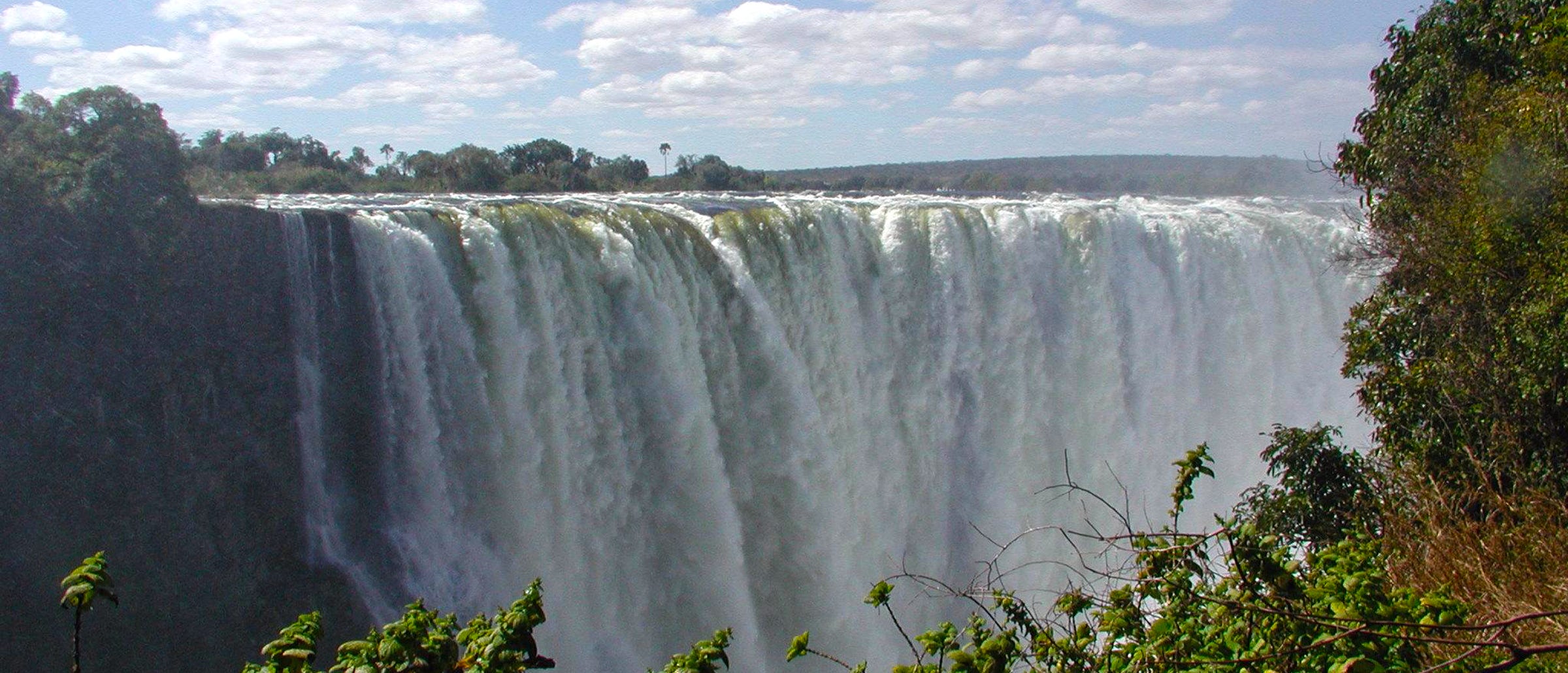
Victoria Falls | Zambia & Zimbabwe
17° 55′ 29.2″ S, 25° 51′ 29″ E
Good Climate News
1. Wind & Solar Generate More Than Gas Worldwide
Wind and solar energy generated more electricity worldwide in April than fossil gas, notes energy think tank Ember.
The milestone occurred during the first full month of the latest global energy crisis triggered by the conflict in the Middle East, highlighting how rapidly growing wind and solar generation is reshaping the global power mix even amid fossil fuel market volatility.
It’s a monthly record boosted by seasonal factors. But expect this to be an annual thing soon. Fossil is in terminal decline. – DB
2. Solar to Overtake Coal in Texas This Year
Solar energy will overtake coal generation this year in Texas, relays Canary Media. The federal Energy Information Agency (EIA) expects 78 TWh of solar on Texas’ grid this year, compared to only 60 TWh of coal.
Deep-red Texas offers lessons for the liberal states that have committed to lofty climate goals yet failed to build much solar or batteries so far. They can’t immediately switch over to an ERCOT-style market, but they can take steps to speed up the time it takes to get permits and grid connection…
3. Lithuania Hits 50% Renewables
Lithuania is undergoing the fastest renewable electricity transition in the EU, heralds Euro News. Over 50% of electricity consumption is now generated from wind and solar — helping the Baltic state meet both its climate and national security goals.
“As Europe endures one of the worst energy crises ever, Lithuania has already provided a stark example of how to turn a crisis into an opportunity…”
Book of the Week

The Hidden Life of Trees: The Illustrated Edition | Peter Wohlleben
A remarkable book from a German forester which illuminates the stunning similarities between the human and sylvan worlds –DB
Bookshop.org US | Bookshop.org UK
In Brief
🇪🇺 Europe: The EU’s efforts to halve pesticide use by 2030 are stalling.
🇲🇾 Malaysia: Canopy bridges are helping langurs and humans coexist in Penang state.
🇳🇿 New Zealand: A New Zealand “de-extinction” company claims it is one step closer to resurrecting the extinct Giant Moa.
🇺🇸 United States: The United States permitted over 300 elephant trophy hunting imports in 2025 — all from endangered species.
Planetary Pulse
Planetary Health — Latest figures
CO2: 432.19 PPM (+.32 YoY)1 | Temperature Anomaly: +1.48 C
Forest Cover: 31.8% | Protected Areas: 12.3% (17.3% terrestrial, 10.01% marine)
Emissions per Capita: 4.89 (World) | 9.1 (China) | 13.1 (USA) | 6.1 (EU) | 2.1 (India)
Low Carbon Electricity: 43.1% | Low Carbon Energy: 19.8% | EV New Sales : 24.1%2
The Other 74%
Australian researchers are studying an unusually resilient section of coral reef off Western Australia that has mysteriously resisted extreme bleaching events.
Scientists discovered 1,121 new marine species last year — a 54% jump from the year before.
Plastic food packaging is the most common form of litter found in coastal areas, according to a new study.
Meet the Endangered
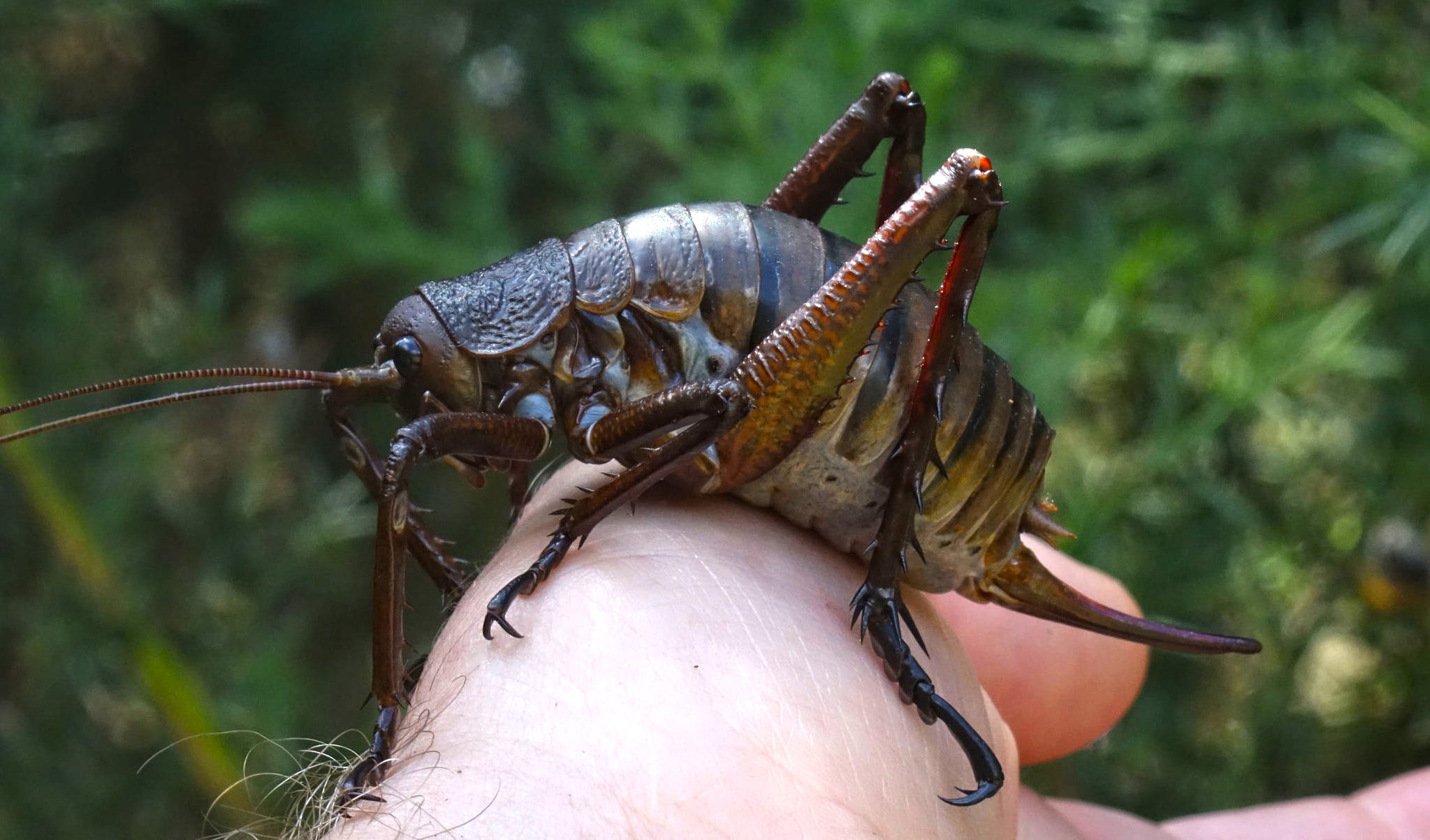
Mahoenui Giant Wētā (Deinacrida mahoenui)
In 1987 the last known population of the Mahoenui Giant Wētā was found living on a farm on New Zealand’s North Island. The nation’s conservation agency subsequently purchased the land and created a successful reserve that has powered the flightless insect’s comeback.
Giant Wētā are endemic to New Zealand. There are eleven species in total, and all but one are listed as endangered. Despite their fearsome appearance, wētās are gentle giants. They are largely herbivorous, carry no venom, and pose no danger to humans. The Mahoenui species can grow up to 65 mm (2.6 in) in length.
Since the 1980s more than 2,000 Mahoenui Giant Wētās have been relocated to various conservation sanctuaries and reserves on different parts of the island. Researchers are ramping up their efforts and hope to unleash another 3,000 by 2027.
NZ TCS: Nationally Critical (NC)
The Weekly Combustion
My regular, scorched-Earth rant countering anti-environmentalist rhetoric and exposing the grifters who profit while our planet burns. Available to paid subscribers.