


The Trump administration has abruptly canceled its plans to dismantle a vital network of ocean monitoring sensors, reports The Associated Press. The network was targeted because it helps climate scientists track ocean warming, but it has many other purposes, including weather forecasting and military applications.
“Dismantling the OOI was supreme stupidity, and we’ll keep fighting to ensure scientists, fishermen, and coastal communities can continue to utilize the critical data the OOI provides,” Democratic Sen. Jeff Merkley of Oregon said in a statement.
The state of American environmental politics is unbelievably dumb. But even so, winning small battles can matter in the aggregate. –DB
2. Oil & Gas ‘Seismic Lines’ Speed Up Climate Change
Thousands of lines carved into boreal peatlands for oil and gas surveying equipment disturb the ecosystem and generate methane emissions, explains CBC News. There are 345,000 kilometers (214,370 mi) of such lines in the Canadian province of Alberta alone.
The study found that methane emissions from these lines are almost three times higher in bogs and nearly two times higher in fens when compared with the undisturbed peatland.
3. Heat Wave Scorches Western Europe
Europe is being battered by yet another early summer extreme heat event, relays Euronews. Temperatures could reach around 40°C (104°F) in some regions of Spain, France, and Italy.
In France, authorities have banned the consumption of alcohol at the annual Fête de la Musique (Music Day) festival in Paris, where temperatures are expected to reach 35°C on Sunday. Parts of southern France and Spain are set to touch 40°C.
Our Blue Marble
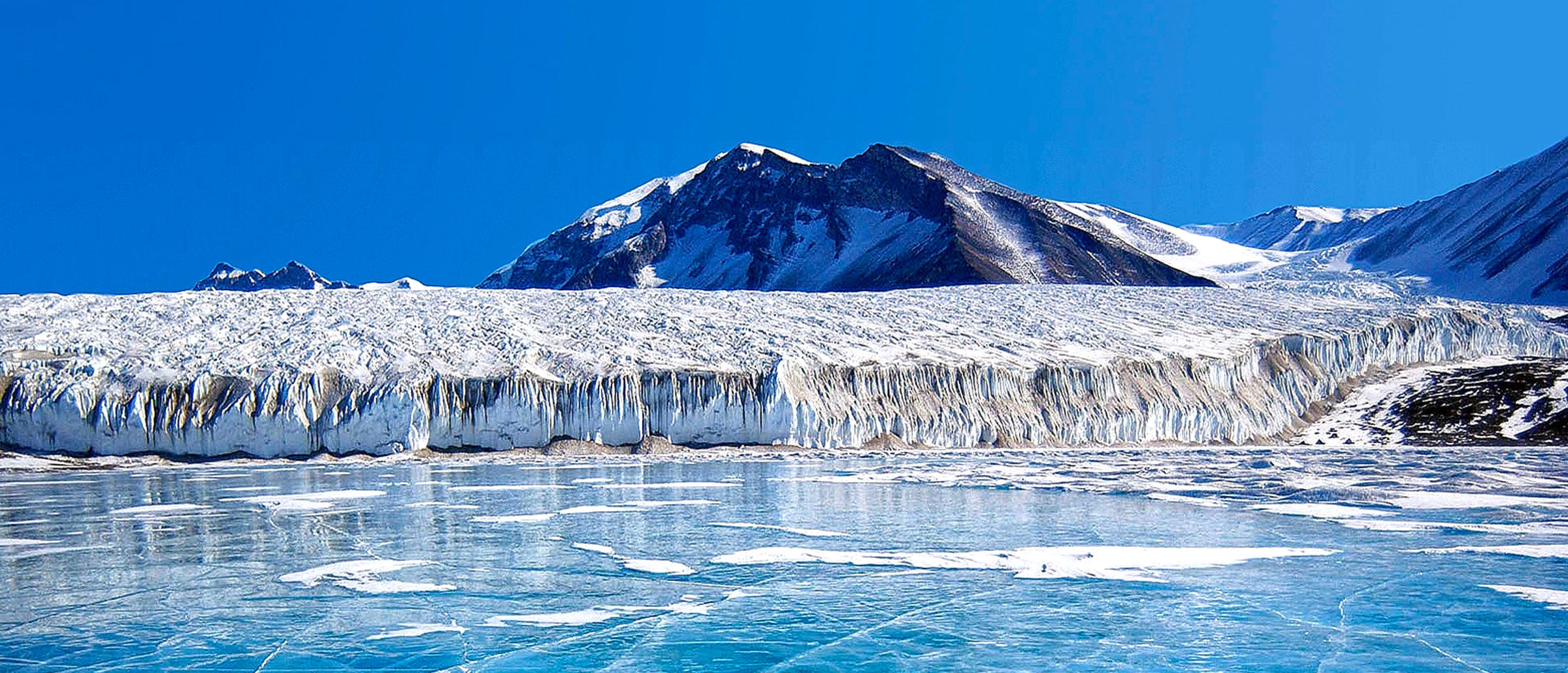
Lake Fryxell | Antarctica
77°37′S 163°11′E
Good Climate News
1. California Gas Generation Down 60%
Fossil gas generation is down by 60% in California since 2024, heralds Utility Dive. Fossil gas capacity has actually increased, but these facilities are being used less often as wind, solar, and hydro imports have taken generation share.
Utility-scale solar generation overtook natural gas generation in the California Independent System Operator’s footprint over the first five months of 2026, according to a Tuesday report.
California is quickly disproving the “can’t run a grid without gas” crowd. –DB
2. Iran Bets on Small-Scale Solar
Iran is moving quickly to adopt small-scale solar, notes PV Magazine. Faced with attacks on its fossil energy infrastructure, residential and community solar + storage projects could make the grid more resilient.
Tarztalab recently unveiled 17 specialized solar energy training centres designed to help accelerate the development of solar power plants in Iran. SATBA has set a target of training 200,000 renewable energy specialists in the next five years.
3. $11 Billion Wind & Transmission Project Online
A combined wind energy and transmission project has begun delivering clean energy in the American Southwest, details Electrek. The SunZia project takes clean electricity generated by wind farms in New Mexico and delivers it to customers in Arizona and New Mexico.
The 550-mile high-voltage direct current (HVDC) transmission line can move up to 3,000 megawatts (MW) of power from the SunZia Wind project in New Mexico to Arizona and customers across the western grid. That’s enough electricity for around 1 million US homes.
Book of the Week

What a Waste: Trash, Recycling, and Protecting our Planet | Jess French
An excellent resource for teaching children (ages 4-10) the basics of recycling. Perfect for passing green values onto the next generaation! –DB
Bookshop.org US | Bookshop.org UK
In Brief
🇦🇺 Australia: Electric vehicles are booming Down Under, as cheap Chinese imports and high petrol prices drive huge EV sales.
🇩🇪 Germany: The Bonn Climate Change Conference took place last week in preparation for COP31 in Turkey this November.
🇫🇷 France: The heat wave will once again limit France’s nuclear output, as high river temperatures impair reactor cooling operations.
🇨🇭 Switzerland: The Swiss mountain town of Braunwald is permanently closing its ski resort as climate change makes the ski season too short to make a profit.
Planetary Pulse
Planetary Health — Latest figures
CO2: 430.78 PPM (+.34% YoY)1 | Temperature Anomaly: +1.42 C
Forest Cover: 31.8% | Protected Areas: 12.3% (17.3% terrestrial, 10.01% marine)
Emissions per Capita: 4.89 (World) | 9.1 (China) | 13.1 (USA) | 6.1 (EU) | 2.1 (India)
Low Carbon Electricity: 43.1% | Low Carbon Energy: 19.8% | EV New Sales : 24.1%2
The Other 74%
The global High Seas Treaty has been in force for nearly six months.
Fifteen countries have united to share data on illegal fishing.
Ocean acidification is threatening the world’s food supply by degrading marine ecosystems.
Meet the Endangered
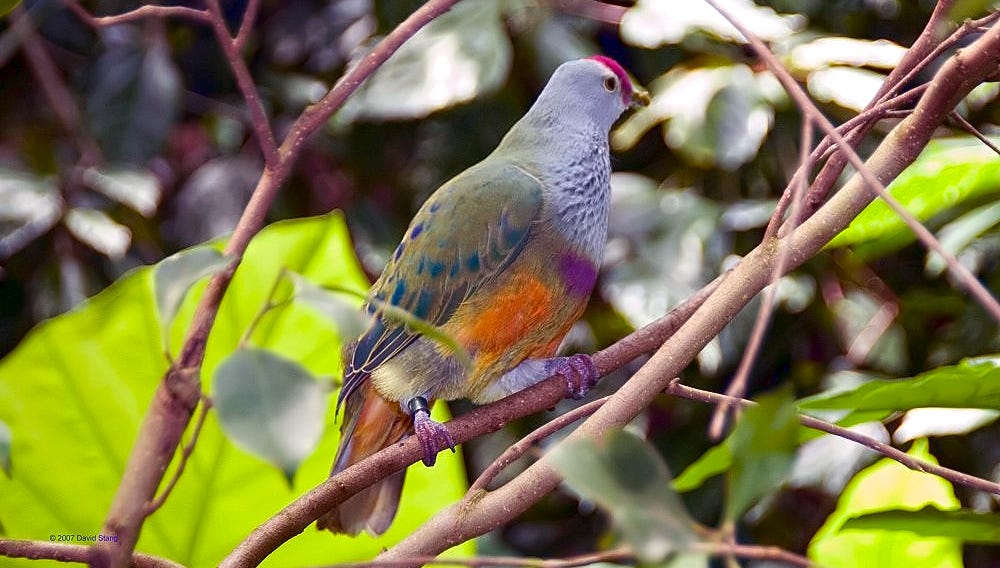
Mariana Fruit Dove (Ptilinopus roseicapilla)
The Mariana Islands are home to one of the most colorful of all bird species, the Mariana Fruit Dove, whose vivid technicolor plumage - evolved for tropical camouflage - gives it the nickname ‘flying rainbow’.
The diet of the Mariana Fruit Dove is made up of 95% fruit. It especially prefers the local wild figs and papaya. Like modern humans, the species typically lives in nuclear family units, generates one offspring at a time, and relies on both parents for parental investment.
The greatest threat to the Mariana Fruit Dove is the Brown Tree Snake (Boiga irregularis) - an invasive species that feasts upon the polychromatic bird. P. roseicapilla has already gone extinct at the southern end of its range, and the Brown Tree Snake is working its way northward, threatening the dove’s remaining redoubts. Conservation efforts focus on snake control and breeding the dove in captivity for eventual repopulation.
IUCN: Near Threatened (NT)
Earthview is a reader-supported publication devoted to climate change and the environment. Please consider a paid subscription to support the work we do and access premium content.
Latest daily figures
Latest quarterly global percentage (BEV +PHEV)