



The Trump administration is dismantling a crucial ocean monitoring network, reports KUOW. The Ocean Observatories Initiative provides data on ocean chemistry and temperature used by scientists, mariners, and the military.
“They've taken hundreds of thousands, if not millions of dollars of equipment, put it in warehouses where it's going to rot….Ocean equipment doesn't do very well when it's taken out of the water and put up in warehouses. It's just a travesty in that regard alone.”
2. China Emissions Climb 2% in 2026
China’s CO2 emissions rose slightly in the first quarter of 2026, notes Carbon Brief. The increase is due to curtailment — the practice of not allowing wind and solar to generate when there is an excess of electricity on the grid.
The fact that capacity factors have fallen significantly more than would be expected based on reported curtailment and weather conditions indicates that a lot of curtailment goes unreported…
China is building massive amounts of battery storage. Over time this problem should be solved. – DB
3. Humans Interfere With Nature’s ‘Smellscape’
Human activities are changing the way the planet smells — with potentially disruptive consequences, explains Yale Environment 360. Many plants and animals rely on olfactory signals that can be jammed by competing scents.
Pollution can change the scent of a Mediterranean fig enough that it is no longer attractive to its only pollinator, the fig wasp.
Our Blue Marble
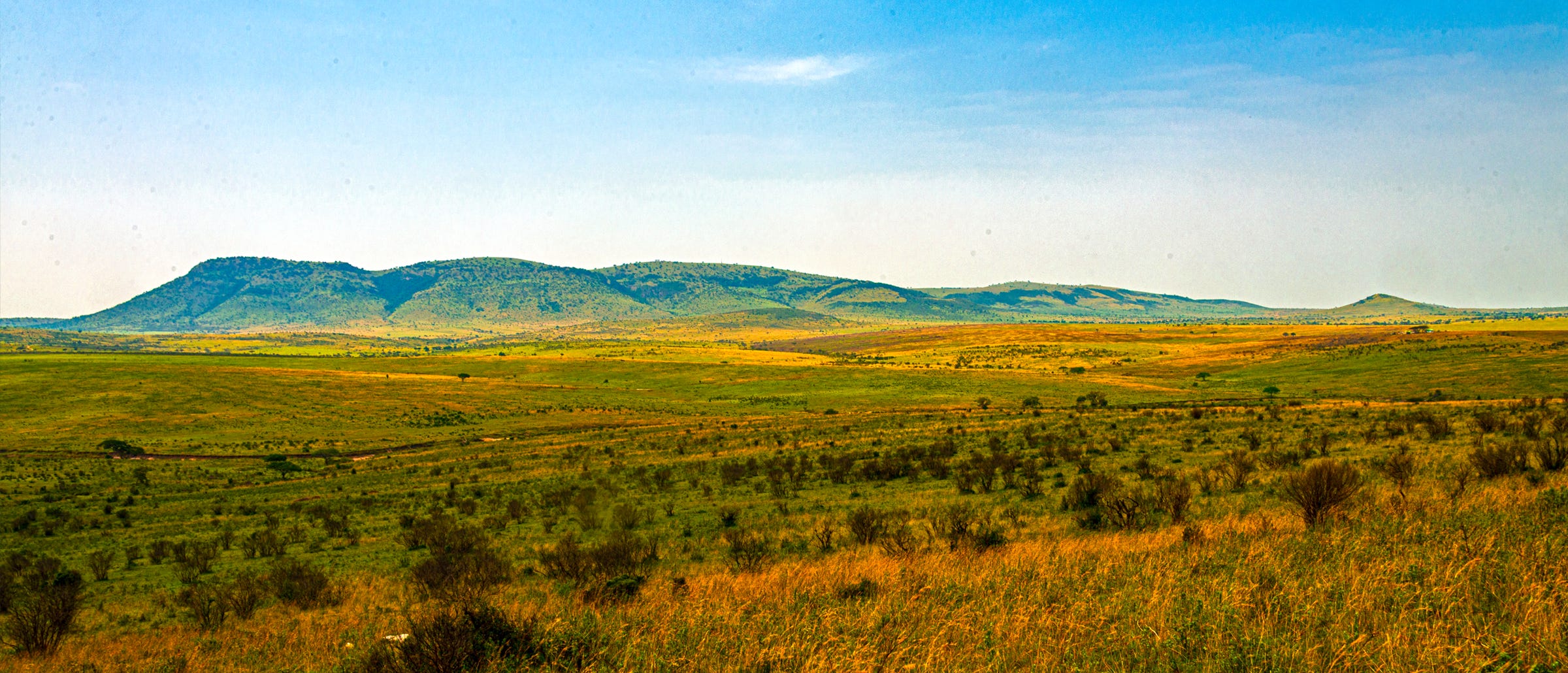
Maasai Mara National Reserve | Kenya
1°29′24″S 35°8′24″E
Good Climate News
1. Western US States Unite to Push Geothermal
The American states of Arizona, Colorado, New Mexico, and Utah are joining forces to accelerate the development of geothermal energy in their states, notes Canary Media.
By teaming up, the four states aim to ease some of the financial, permitting, and logistical challenges that stand in the way of widespread geothermal deployment.
The build-out of geothermal in the American West could be the biggest energy and climate story of the next decade. – DB
2. Hawaii Moves to Ditch Oil
Hawaii is looking for ways to get off imported oil, relays DW News. Like many island polities, oil powers both its transport and electricity generation sectors but is eye-wateringly expensive to import. Wind, solar, and geothermal are set to fill the gap.
While it was long assumed that the energy source was not viable on the most populous island of Oahu, more recent discussions indicate “that geothermal actually could be available where it’s needed most.”
3. Australian Emissions Falling Rapidly
Wind and solar are powering massive falls in Australia’s carbon emissions, heralds ABC News. The transport sector has seen a drop too, thanks to uptake of hybrid and electric vehicles.
Electricity remains the largest source of emissions, accounting for 31.8 per cent. But emissions from the sector peaked in 2009 and have continued to fall since, down 3.8 per cent to December 2025 and 25.8 per cent since 2005.
In Brief
🇨🇦 Canada: Chinese-made electric vehicles have started to arrive in Canada.
🇳🇿 New Zealand: A pair of very sexually active parakeets are single-handedly keeping an endangered species afloat.
🇸🇦 Saudi Arabia: Climate change is making the annual Hajj pilgrimage extremely dangerous.
🇱🇦 Laos: A golf-course pond maker has reformed and now lends his skillset to rewilding projects.
Planetary Pulse
Planetary Health — Latest figures
CO2: 432.08 PPM (+0.39% YoY)1 | Temperature Anomaly: +1.43°C
Forest Cover: 31.8% | Protected Areas: 12.3% (17.3% terrestrial, 10.01% marine)
Emissions per Capita: 4.89 (World) | 9.1 (China) | 13.1 (USA) | 6.1 (EU) | 2.1 (India)
Low Carbon Electricity: 43.1% | Low Carbon Energy: 19.8% | EV New Sales : 24.1%2
The Other 74%
As the United States retreats, the European Union is expanding its ocean monitoring network.
A Los Angeles restaurant owner who promised patrons sustainable fish has been fined for illegally harvesting his catch in Marine Protected Areas near Santa Barbara Island.
An expedition has been conducted to map Indonesia's remote tropical seamounts.
Meet the Endangered
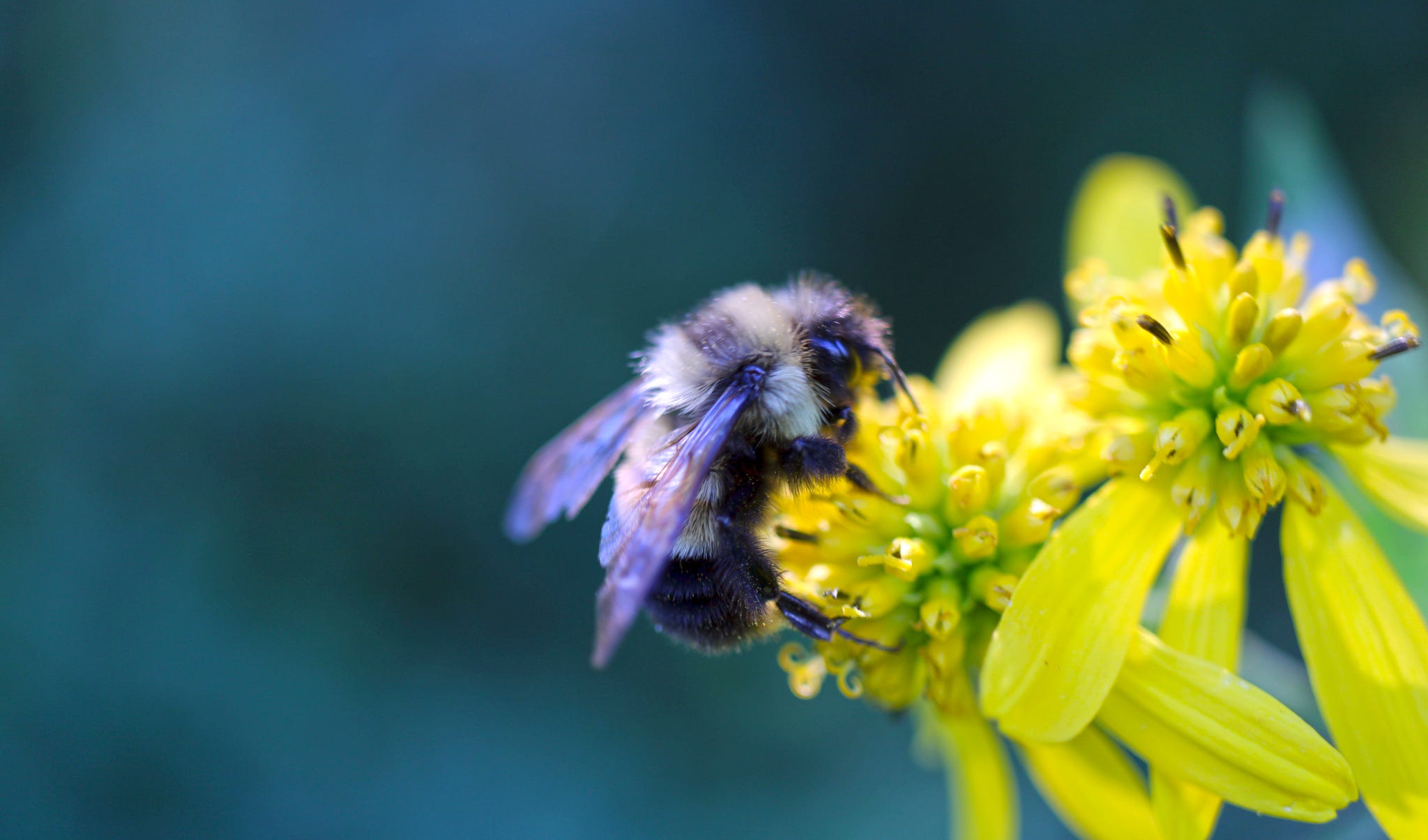
Rusty Patched Bumblebee (Bombus affinis)
If you live in the eastern half of North America, chances are you’ve seen a Rusty Patched Bumblebee. Up until very recently, it was one of the most common types of bees across 28 US states and the Canadian provinces of Ontario and Quebec.
You may never see one again. Since the late 1990s populations have crashed by 87%, and it is now extinct across the vast majority of its former range. The leading explanation is that pathogens first incubated in honey bee colonies spread to the Rusty Patched populations, which had no natural immunity. Other factors like insecticide use, climate change, and habitat loss to monoculture crops may have played smaller roles.
In 2017, the Rusty Patched Bumblebee became the first bee in the continental US to be listed as an endangered species. This allowed for increased protection of its few remaining redoubts. Conservationists also help by planting its favorite plant species in home bee gardens.
IUCN: Critically Endangered (CR)
Latest daily figures
Latest quarterly global percentage (BEV +PHEV)