


2026 will be a huge year for the fight against climate change, with several trends converging to make it a major turning point.
Let’s look at the top 6 stories to watch this year:
6. How Cheap Will Storage Get?
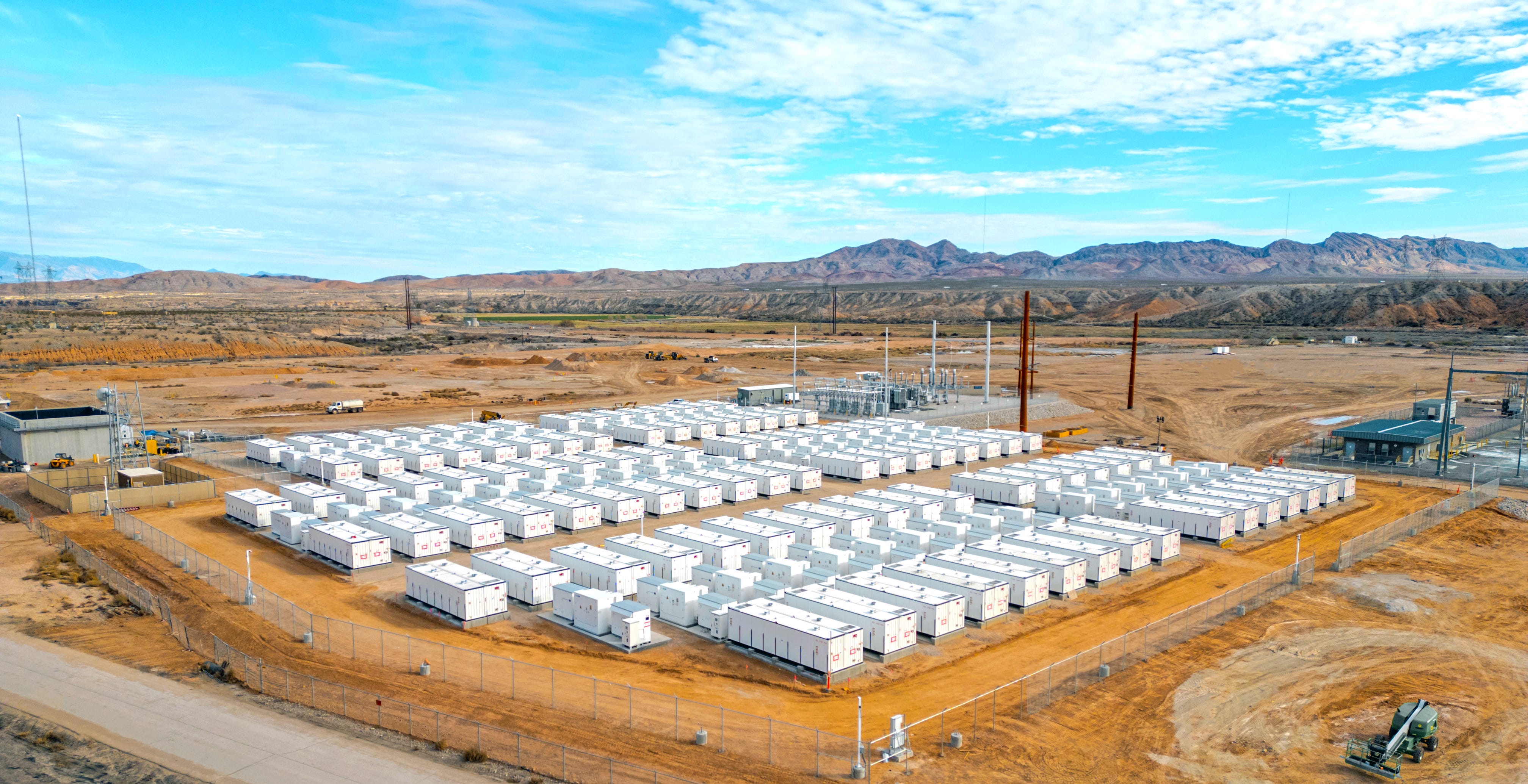
The energy transition away from fossil fuels requires cheap storage. The cheapest storage currently available is lithium-ion batteries - specifically the Lithium Ferrous Phosphate (LFP) chemistry. Globally, LFP stationary storage costs fell 16% in 2024, and a further 45% in 2025.1 If this trend continues in 2026, it will considerably improve the economics of renewable energy.
5. Will US Congress Change Hands?

In 2025, the United States under Donald Trump repealed most of President Biden’s climate-focused Inflation Reduction Act (IRA). The Trump administration has also used legally contested executive authority to restrict the development of solar and wind projects. If Democrats win the midterm elections in 2026, they won’t be able to bring the IRA back. But they may be able to use congressional oversight and budget negotiations to restart blocked renewables projects.
4. Will Stegra Make Green Steel?
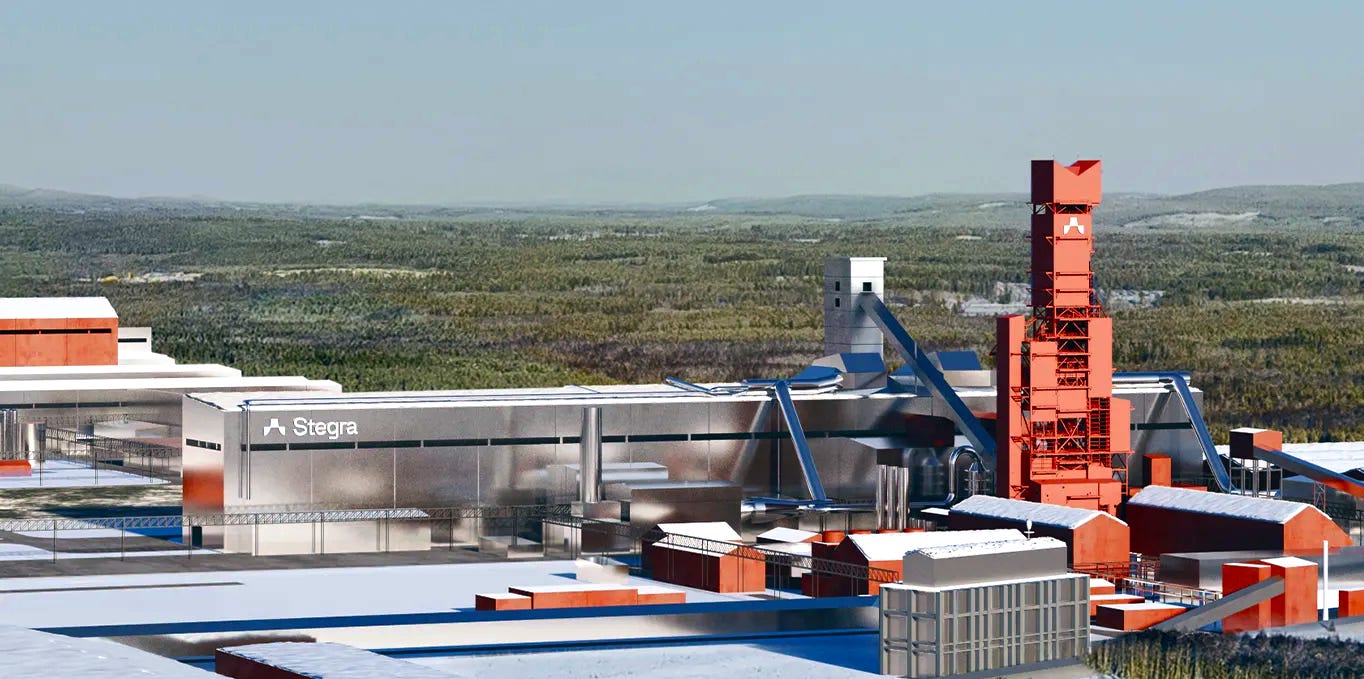
Steelmaking is a high-carbon process, as it uses coal both as a chemical reductant and for power. It is theoretically possible to make low-carbon steel powered by green hydrogen. And 2026 may be the year this possibility turns into reality. A Swedish company named Stegra (formerly H2 Green Steel) is building a “green steel” factory in northern Sweden.2 It is scheduled to begin operations this year. If successful, it could light the way for decarbonizing a sector responsible for 8% of global CO2 emissions.
Be sure to sign up to get Earthview in your inbox:
And consider a paid subscription to get premium analysis and support the work we’re doing!
3. Will Exceptional Warming Continue?

The three hottest years in human history were 2023, 2024, and 2025. Will 2026 bring yet another record? Or will we see a small reprieve? The answer could have profound implications for climate science. The leading explanation for the post-2023 acceleration in warming is the phasing out of dirty marine shipping fuels - whose albedo-modifying aerosols had been masking underlying warming.3 Another record year in 2026 would add more evidence to this theory.
2. Will Fervo Deliver?
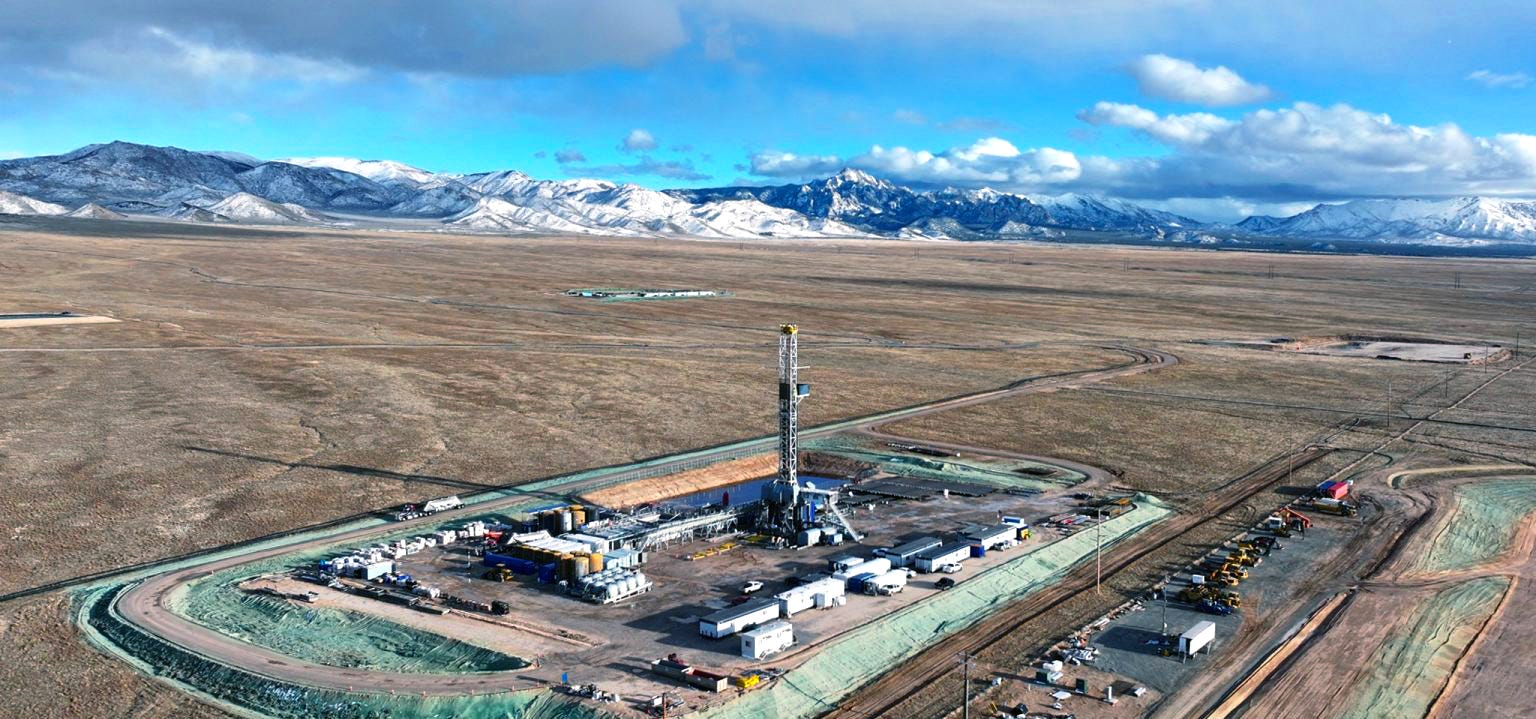
Geothermal energy provides low-carbon, 24/7/365 electricity. Historically, it has been limited to a few small areas of the world (for example, Iceland and Kenya) where hot water bubbles naturally near the surface. But new technological approaches - known collectively as Enhanced Geothermal Systems (EGS) - promise to unlock geothermal resources in a vast array of new geographies.
The largest and most important EGS project in the world - Fervo Energy’s Cape Station project in Utah - is scheduled to come online in 2026. It plans to deliver 100 MW of capacity this year and eventually scale up to 2 GW - the size of a nuclear power station.4 If Cape Station proves EGS is possible at scale, it could become a major source of low-carbon energy in the 2030s.
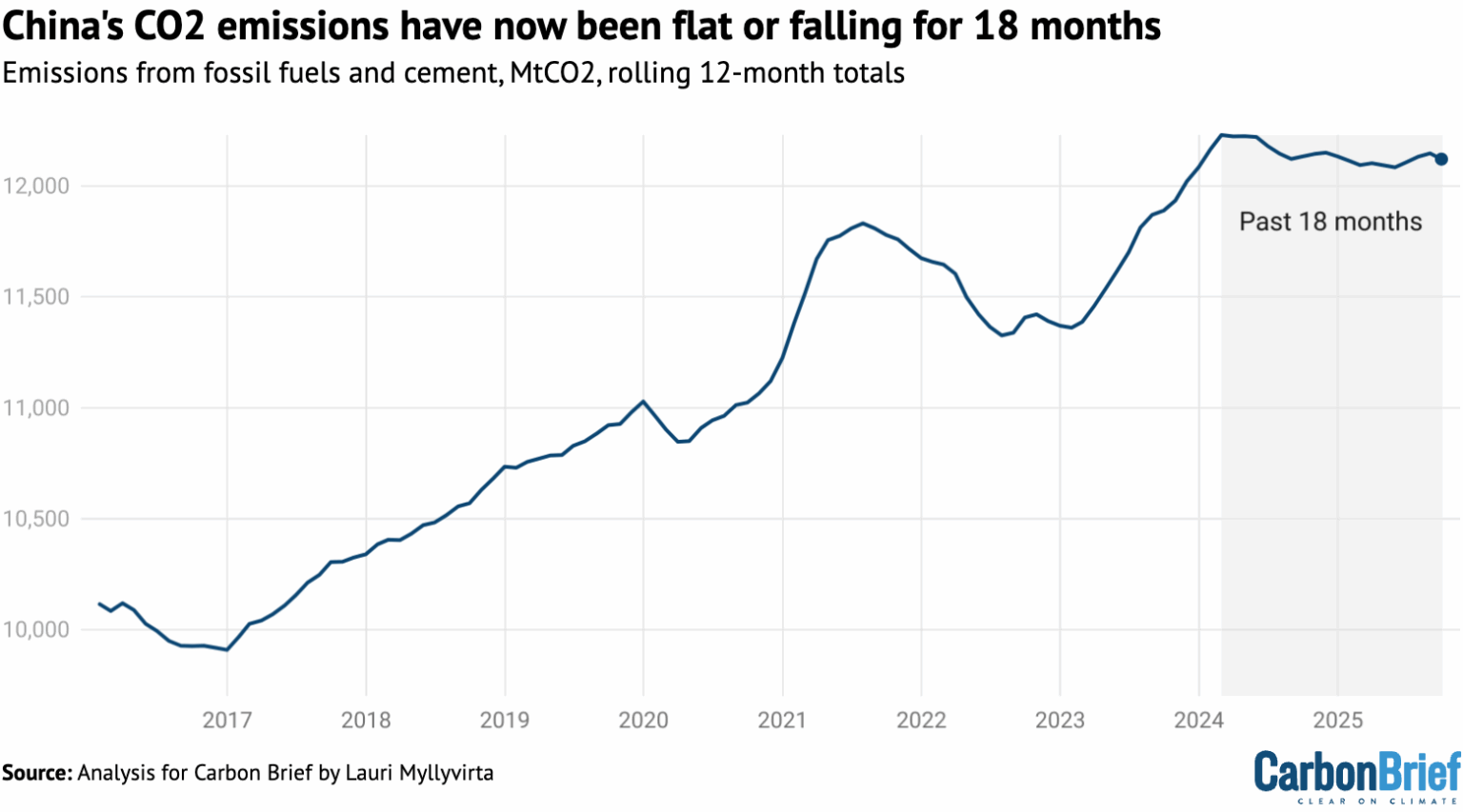
1. Have China’s Emissions Peaked?
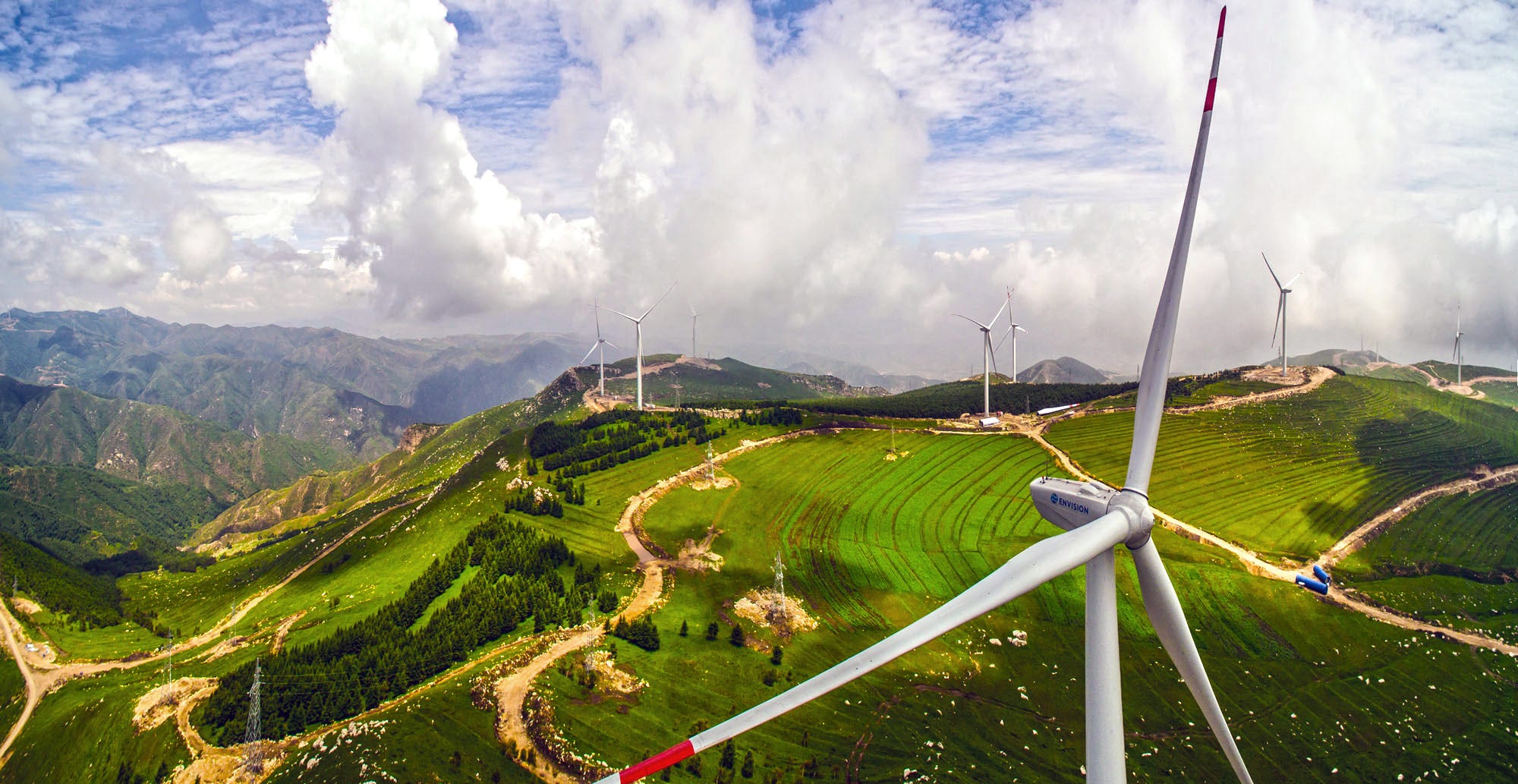
In 2025, China’s CO2 emissions were flat - erasing a decades-long upwards trend. But was this simply a blip? Or will emissions actually start to fall? We’ll find out in 2026.
China accounts for roughly a third of global carbon emissions. If its emissions did indeed peak in 2025, it would represent a monumental milestone in the fight against climate change. A global peak would no doubt follow within a few years.
And consider a paid subscription to get premium analysis and support the work we’re doing!