


The next generation of battery technology beyond lithium-ion is quickly moving from the lab to commercialization, reports Yale Environment 360. Both sodium-ion batteries, which are cheaper, and solid-state batteries, which are denser and more capable, are rapidly expanding in the market.
These two battery types are emerging as near-term winners for EVs, but they are far from the only tech being pursued in industry or in labs. There’s an entire alphabet soup of battery types based on dozens of elements, all with various pros and cons and specific best uses.
Moving beyond lithium-ion will lower the cost of energy storage, allowing more wind and solar onto the grid and making EVs much cheaper than gas vehicles. –DB
2. Climate Denier to Lead US Climate Policy
The United States has named a climate change denialist to an important position that oversees a key climate report, explains The Guardian. The Trump administration has tapped Matthew Wielicki—who has no qualifications in climate science—to author the congressionally mandated National Climate Assessment.
In 2023, Wielicki said people who believe in climate science are “being sold snake oil”. And on his blog, Irrational Fear, he cast doubt on the conclusions of earlier National Climate Assessments, and argued that it is not carbon dioxide, but increasing solar radiation, that has caused atmospheric warming.
Earthview is a reader-supported publication devoted to climate change and the environment. Please consider a paid subscription to support the work we do and access premium content.
3. Eurostar Orders Trains to Withstand 55°C (133°F) Heat
International train operator Eurostar has ordered heat-hardened trains that can cope with temperatures as high as 55°C (133°F), notes CNN. Eurostar—which operates exclusively in temperate regions of England, France, and Belgium—is concerned about future heatwaves.
“These trains will enter service in 2031 and run into the 2060s so it’s essential to be prepared for the future,” the spokesperson said. “It is currently very hot in several of our destinations. And we know that these conditions can make your journey less comfortable than usual…”
Book of the Week

Wilder: How Rewilding is Transforming Conservation and Changing the World | Millie Kerr
Conservation is usually seen in binary terms: either we preserve wildlands and the species within them, or we allow it all to be irrevocably destroyed. But there is a complementary path to mere preservation: actively restoring degraded land and its native species, a process known as rewilding.
In this book, wildlife journalist Millie Kerr scours the globe for rewilding success stories. From Argentina to South Africa to the Galápagos Islands, explore these inspiring tales of ecological rebirth. –DB
Buy Now: Bookshop.org 🇺🇸 | Bookshop.org 🇬🇧
Good Climate News
1. Global Oil Demand Will Decline in 2026
Global oil demand will fall for the first time since COVID, heralds Inside Climate News. The drop is driven by the effects of the Iran War and is expected to at least partially reverse next year, but some of the demand-saving measures may turn out to be more durable.
“…The events of the past few months in Iran will have an effect and are likely to hasten the secular decrease in oil demand that we think is coming at some point,” said Samantha Gross, director of the Energy Security and Climate Initiative at the Brookings Institution, a think tank. “I think this disruption has been big enough, and, honestly, scary enough, that it is likely to change behavior both on policies and on the part of consumers.”
2. Geothermal Startup Raises $134M
Innovative geothermal startup Quaise has raised $134 million in new capital, relays Canary Media. The Houston-based company—which uses advanced plasma torches to vaporize rock—aims to drill deeper than other geothermal companies, unlocking hotter temperatures and more power.
The fundraise comes as Quaise prepares to start drilling its first test well later this month for the Oregon plant, called Project Obsidian, which is slated to come online by 2030. “Our ambition is to power civilization with Earth’s most compelling energy source,” Carlos Araque, CEO and president of Quaise, said in a statement. “This round takes us from field-proven technology to first commercial revenues.”
If Quaise’s technology works, the company could become one of the most important in the history of humanity. –DB
3. EU to Mandate Heat Pumps for Public Buildings
The European Union (EU) will soon mandate clean electric heat pumps for all public buildings, details Euronews. These heat pumps will replace existing heating systems powered by fossil gas or coal.
Sanjeev Kumar, policy director at the European Geothermal Energy Council (EGEC), described a potential mandate for heat pumps in public buildings as "great news", noting that geothermal heat pumps are already the default option, providing an opportunity to use them in thermal heating and cooling networks.
Our Blue Marble
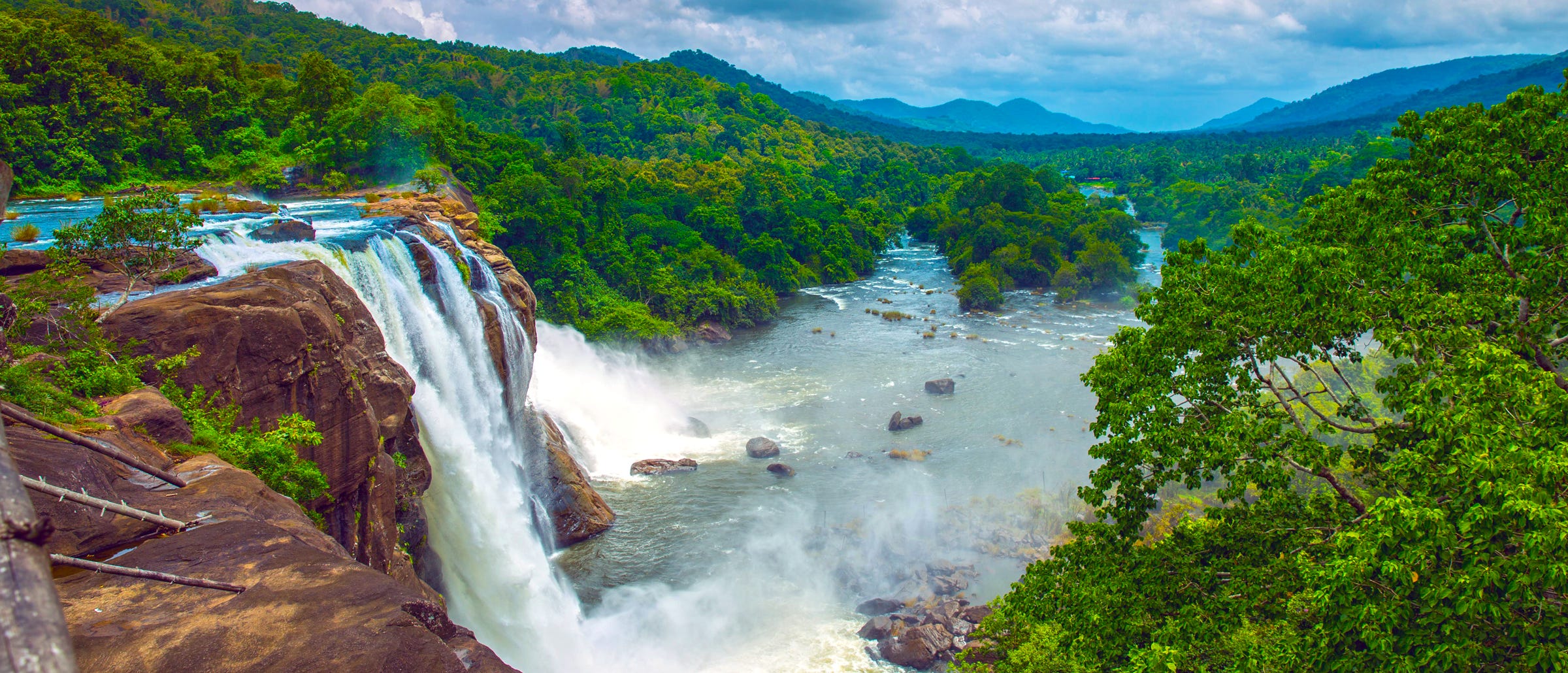
Athirappilly Falls | Kerala, India 🇮🇳
10°17′5″N 76°34′7″E
Earthview is a reader-supported publication devoted to climate change and the environment. Please consider a paid subscription to support the work we do and access premium content.
In Brief
🇦🇺 Australia: The Brown Huntsman (Heteropoda jugulans) is now the world’s fastest spider, having been recorded moving at a speed of 3.59 meters per second.
🇮🇸 Iceland: Iceland has begun killing whales again for the first time since 2023.
🇳🇬 Nigeria: Near-constant flooding in Lagos is taking a huge physical, economic, and psychological toll on residents.
🇪🇸 Spain: At least 12 are dead and 23 missing as wildfires in Spain turned roads into deathtraps.
Planetary Pulse
Planetary Health — Latest figures
CO2: 430.78 PPM (+.34% YoY)1 | Temperature Anomaly: +1.42 C
Forest Cover: 31.8% | Protected Areas: 12.3% (17.3% terrestrial, 10.01% marine)
Emissions per Capita: 4.89 (World) | 9.1 (China) | 13.1 (USA) | 6.1 (EU) | 2.1 (India)
Low Carbon Electricity: 43.1% | Low Carbon Energy: 19.8% | EV New Sales : 24.1%2
The Other 74%
The last glacier in the Southwest Pacific (located in Indonesia) could be gone in a matter of months.
Gray Whales (Eschrichtius robustus) off the Pacific coast of North America are starving due to the climate crisis.
Scientists have used AI to create the first high-resolution map of global seagrass extent.
Meet the Endangered
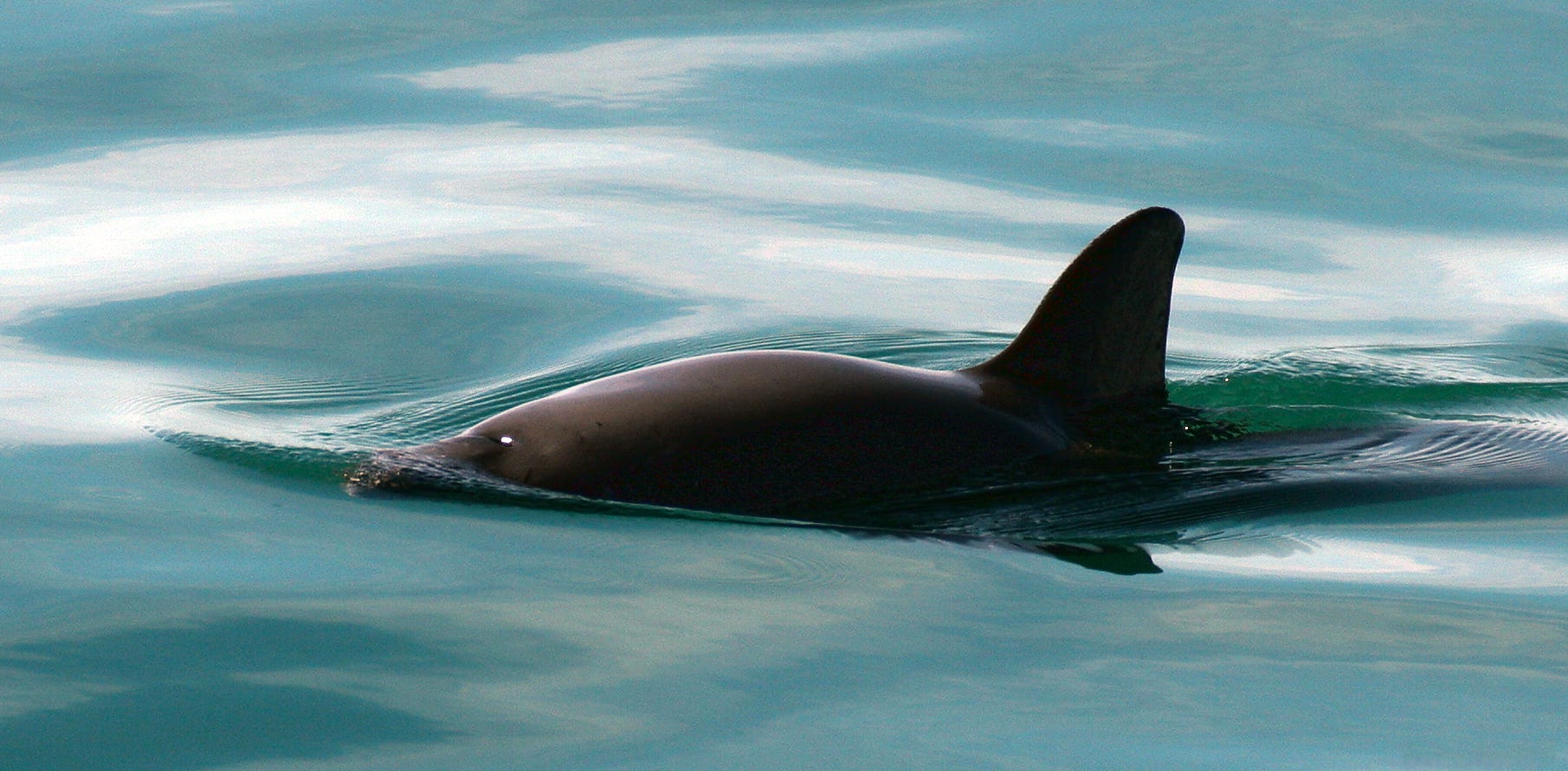
Vaquita (Phocoena sinus)
The Vaquita (Spanish for ‘little cow’) is the most endangered marine mammal on Earth. It entered the Holocene an already rare species, filling a small ecological niche in the Gulf of California. It never numbered more than 5,000; it now numbers fewer than ten.
A porpoise, the Vaquita is the smallest of all extant cetaceans. The greatest threat to its survival is accidental extraction by fishermen aiming for a different endangered fish, the totoaba (Totoaba macdonaldi). Its reproduction rates are feeble, increasing its vulnerability.
All attempts to breed the Vaquita in captivity have failed. The only hope for the species, therefore, is protecting the exiguous wild population. The Mexican government has created a Zero Tolerance Area to shield the porpoise from fishing vessels and deployed its naval forces to enforce the exclusion zone. El tiempo dirá. But it may already be too little, too late.
IUCN: Critically Endangered (CR)
Earthview is a reader-supported publication devoted to climate change and the environment. Please consider a paid subscription to support the work we do and access premium content.
Latest daily figures
Latest quarterly global percentage (BEV +PHEV)