


The Iran War is on track to reduce global carbon emissions this year, reports Carbon Brief. The effect is mostly due to higher prices curbing crude oil consumption and consequent attempts to substitute petrol and diesel with cleaner technologies.
While there are many short-term factors at play in the shifting forecasts for 2026, it is clear that the latest energy crisis will also affect fossil-fuel demand in the next year and beyond.
For example, whereas the IEA initially forecast that oil demand would rebound in 2027 to well above 2025 levels, it is now expecting use of the fuel to be effectively flat for two years.
As predicted, the war is turbocharging the shift away from dirty, unreliable fossil fuels. –DB
2. China’s Electric Grid Leaking Climate Superpollutant
China’s electrification drive, while key to long-term decarbonization efforts, is also exploding emissions of the world’s most powerful greenhouse gas, explains Inside Climate News. Sulfur hexafluoride (SF6)—thousands of times more powerful than CO2—is used as an insulator in high-voltage electrical equipment and its use remains unregulated.
Sulfur hexafluoride (SF6) is a synthetic chemical that plays a critical role as an electrical insulator in high-voltage equipment. The gas is odorless, invisible, non-toxic and non-flammable. But it is also a climate killer, 24,300 times more effective at warming the planet than carbon dioxide on a pound-for-pound basis. Once released, sulfur hexafluoride remains in the atmosphere for 1,000 years.
3. Greenland and Antarctica Lose 12.5 Trillion Tons of Ice
A new study has found that a staggering 12.5 trillion tons (11.3 trillion metric tons) of ice have melted in Greenland and Antarctica since 1979, details PBS. That’s enough to stack ice 5 ft (1.5 m) across the entire continental United States. And the melt is accelerating.
"That's something to be concerned about as it shows that the changes are tracking decades behind global warming, which means we can expect them to continue for decades more — even if we are able to stop heating the planet," said study co-author Andrew Shepherd.
Book of the Week

We Are Eating the Earth: The Race to Fix Our Food System and Save Our Climate | Michael Grunwald
Journalist Michael Grunwald explores perhaps the single most difficult-to-abate sector of the entire climate change struggle: food. Even without fossil fuels, land use changes from agriculture and methane emissions from livestock would still cook the planet by 2050 on current trends. Time is running out to tear down our wasteful agricultural system and replace it with something sustainable. Is there hope? –DB
Buy Now: Bookshop.org 🇺🇸 | Bookshop.org 🇬🇧
Help support Earthview and local independent bookstores by purchasing via the affiliate links above!
Good Climate News
1. Google Backs Green Steel Startup
Google has signed a complex deal to help support Sweden’s green steel champion Stegra, relays Canary Media. Around 10% of global greenhouse gas emissions come from steelmaking, and the deal will help bring Stegra’s cleaner, low-carbon steel to market.
Google will procure “environmental attribute certificates,” which allow the company to count emissions reductions associated with a ton of Stegra’s steel toward Google’s own sustainability targets. In exchange, Google helps defray the extra costs involved with hydrogen-based steelmaking. Stegra then sells its metal into the European market as a standard product…
2. India Power Emissions Flat Two Years Running
India’s power sector emissions have stalled over the past two years, heralds Carbon Brief. The progress is mostly due to the massive build-out of renewable energy in the country, which is greening its power sector at a much earlier point in its development cycle than China.
The period from the first half of 2024 to the first half of 2026 saw the largest increase in non-fossil power generation on record in India. This enabled fossil-fuel consumption and CO2 emissions from the sector to stay flat, even as electricity consumption increased.
Indeed, this is the first time in more than 50 years that there has been no growth in coal power over a two-year period, even as electricity demand grew overall.
3. Geothermal Startup Raises $135 Million
Geothermal startup Mazama has raised $135 million in a Series B round to develop an advanced geothermal power plant in Oregon, notes TechCrunch. Mazama is one of several geothermal companies—including Fervo, Sage, Quaise, and Eavor—raising large amounts of capital for new, more capable geothermal power plants.
Mazama plans to start generating electricity sometime next year and said its first site in Oregon is capable of producing 10 gigawatts of electricity. That’s a sharp upward revision from the company’s estimate last year, when investor Vinod Khosla said the site had the potential to produce 5 gigawatts.
10 GW is a staggering amount of generation capacity for a single site. If Mazama can bring this project to market, it will change the world. –DB
Our Blue Marble
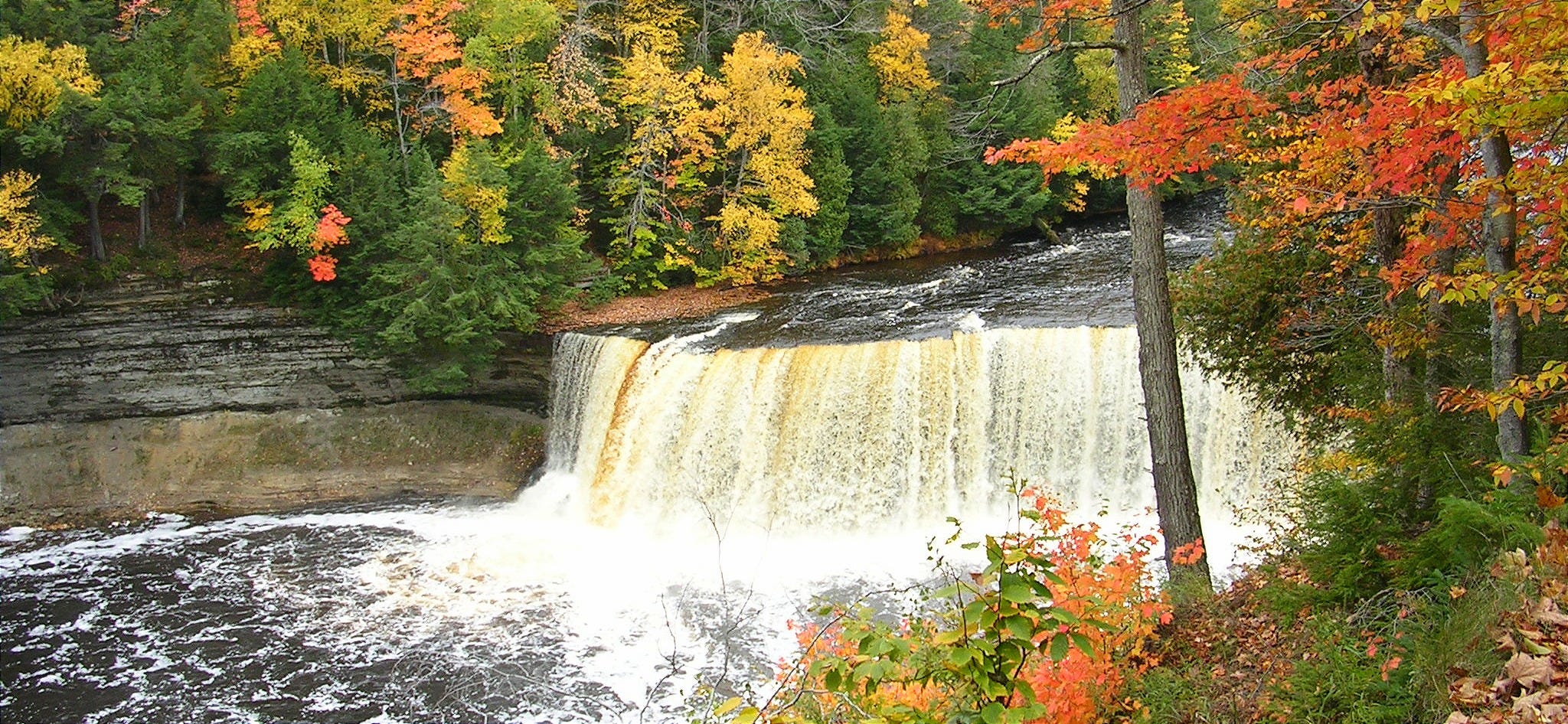
Tahquamenon Falls | Michigan, United States 🇺🇸
46°34′26.4″N 85°15′21.6″W
Earthview is a reader-supported publication devoted to climate change and the environment. Please consider a paid subscription to support the work we do and access premium content.
In Brief
🇨🇦 Canada: A massive wildlife corridor extending from the Yukon to Yellowstone has been shortlisted for the Earthshot Prize.
🇨🇳 China: Natural disasters inflicted $5.38 billion in damages this August, mostly due to Typhoon Dolphin.
🇮🇸 Iceland: The government is considering a full whaling ban, which would leave Norway and Japan as the last two countries on Earth permitting the practice.
🇹🇿 Tanzania: Ten lions have been found dead in a wildlife reserve this week, and are suspected to have been poisoned.
Planetary Pulse
Planetary Health — Latest figures
CO2: 430.78 PPM (+.34% YoY)1 | Temperature Anomaly: +1.42 C
Forest Cover: 31.8% | Protected Areas: 12.3% (17.3% terrestrial, 10.01% marine)
Emissions per Capita: 4.89 (World) | 9.1 (China) | 13.1 (USA) | 6.1 (EU) | 2.1 (India)
Low Carbon Electricity: 43.1% | Low Carbon Energy: 19.8% | EV New Sales: 30.6%2
The Other 74% 🌊
Fourty new species—and evidence of microplastics—have been discovered 4,000 meters below the ocean’s surface by a deep-sea expedition exploring waters off Argentina.
Culling overabundant starfish to save the Great Barrier Reef from predation has also generated a $20 million industry in Australia.
Falkland Islanders are fighting a massive 200,000-tonne salmon farm proposal.
Meet the Endangered
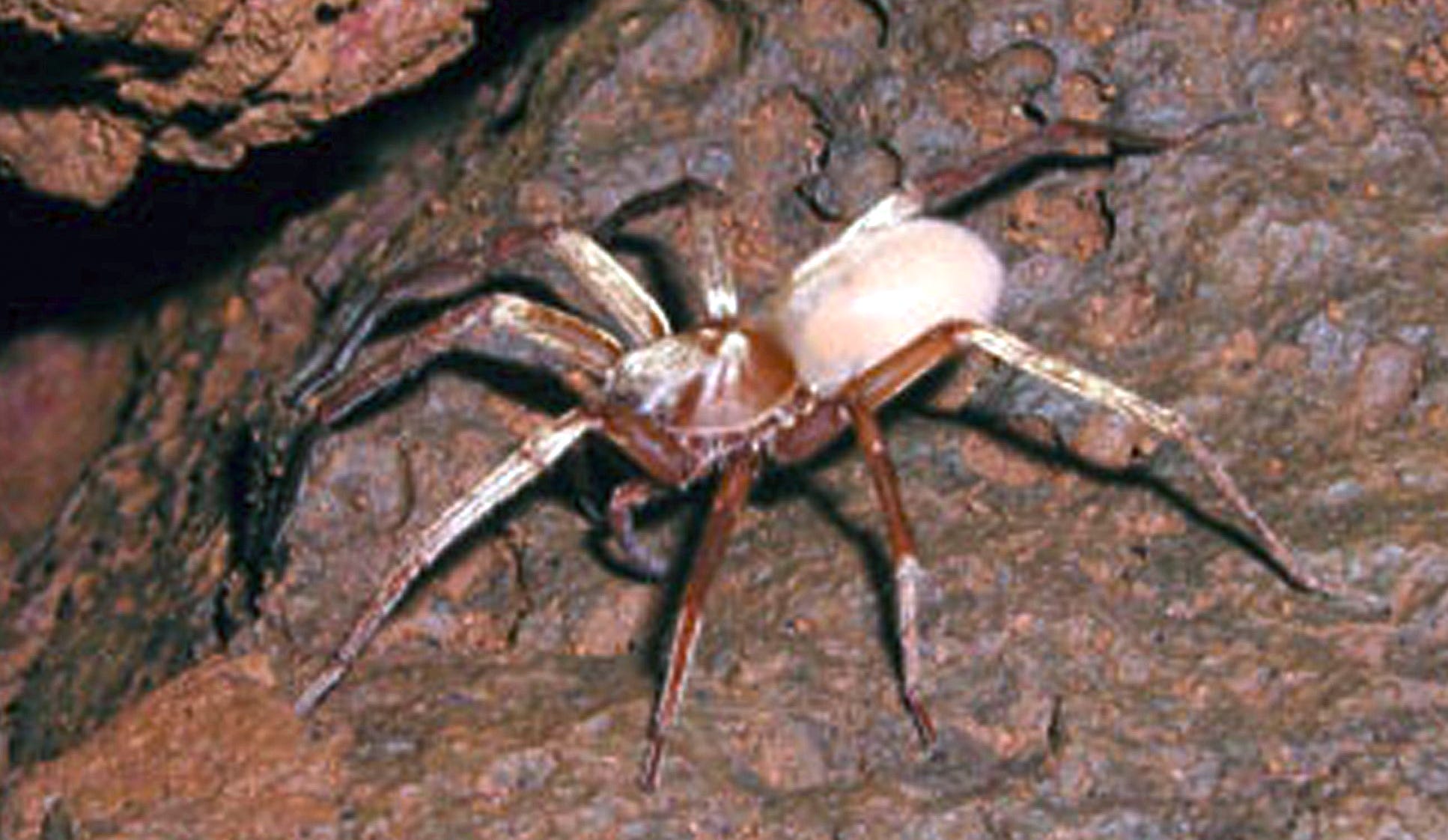
Kauaʻi Cave Wolf Spider (Adelocosa anops)
Most species of blind spiders use webs to catch their prey. The Kaua’i Cave Wolf Spider, however, is one of the few blind spiders that track and hunt their prey. Using sophisticated vibrational sensors, it stalks amphipods, sneaks up on them, and injects its venom.
The Kaua’i Cave Wolf Spider is a fickle species. It requires an environment at near 100% humidity - even a tiny drop of a few percentage points can cause it to dry out and die. And it relies almost entirely on a single prey species, Spelaeorchestia koloana, which is itself endangered.
It thrives only in lava tubes on the south side of Kaua’i, a part of the island highly prized by real estate developers. Construction can collapse lava tubes, bursting the spider’s bubble of perfect humidity.
IUCN: Endangered (EN)
Earthview is a reader-supported publication devoted to climate change and the environment. Please consider a paid subscription to support the work we do and access premium content.
Latest daily figures
Latest quarterly global percentage (BEV +PHEV)