


A glacier has dramatically collapsed in Nepal, highlighting climate risks in the Himalayas, reports Radio France Internationale. The latest casualty figures tally 900+ confirmed dead and over 4,200 missing.
…one thing we can say for sure is that climate change has led to [an] increase in temperature, and this rise in temperature has caused changes in the cryosphere and the components of the cryosphere – such as glaciers, glacial lakes, permafrost. And due to these changes in these cryosphere components, the likelihood of the occurrence of these kinds of events is growing.
It’s too early to say for certain the collapse is the result of climate change. But all signs are pointing in that direction. –DB
2. Climate Change Supercharging El Niño
Climate change is exacerbating the natural El Niño climatic phenomenon, explains The Guardian. This process is driving the most extreme heatwaves, wildfires, and flooding of the new post-industrial climate.
We are seeing a trend of stronger El Niños and the one we have now is consistent with that trend – it’s not a fluke. We are seeing a shift where El Niño doesn’t look like what it did prior to industrial times. That is bad news for climate hazards and for people…
3. Marine Heat Waves Harming Children’s Health
Marine heat waves have been found to harm children's development via their effects on fish populations, details Inside Climate News. Fewer fish near coastlines mean less protein in children’s diets.
When marine heat waves disrupt fisheries, the UNC study suggests reduced access to fish can deprive children of an important source of protein and micronutrients in utero and during their first five years of life.
Book of the Week

Beyond the Sea: The Hidden Life in Lakes, Streams, and Wetlands | David Strayer
Ecologist David Strayer explores the world’s diverse array of rivers, lakes, streams, and wetlands, whose proximity to humans makes them even more endangered than the oceans. An excellent window into the oft-overlooked domain of freshwater ecosystems, among the planet’s most delicate and beautiful. –DB
Buy Now: Bookshop.org 🇺🇸 | Bookshop.org 🇬🇧
Good Climate News
1. Africa’s Solar Boom Underestimated
Official statistics are underestimating the size of Africa’s solar energy boom, argues energy think tank Ember. Three-quarters of solar growth between 2023 and 2025 was entirely unaccounted for, meaning the boom is much larger than previously thought.
19 countries have seen year-on-year growth of over 100%, including 544% in the Democratic Republic of the Congo (DRC), 282% in Zimbabwe, 176% in Egypt and 117% in Zambia.
2. Super PAC Targets Anti-Renewable Candidates
A political Super PAC targeting anti-renewable congressional candidates is having great success, heralds Inside Climate News. The Invest in Tomorrow Coalition (ITC) is financed by crypto and renewable energy entrepreneurs. It has leveraged TV ads to knock several anti-renewable Republicans out in primary contests.
…The group’s intention, Matzzie said, was not simply to win individual races but to demonstrate that lawmakers could pay a political price for crossing the industry.
3. Wave Energy Site Opens in Oregon
A new facility for testing ocean energy technologies has opened in Oregon, notes The Associated Press. The facility is being financed by the Trump administration, which is at war with other renewable technologies like wind and solar.
The PacWave South site in Oregon isn’t the first grid-connected wave energy test site in the nation — the U.S. Navy has one in Hawaii — but it’s the first to be connected to the continental U.S. grid. It’s also “pre-permitted,” which means developers can bring several types of wave energy converters there without having to acquire permits on their own for testing, saving them time and money.
Ocean energy has a long history of failure—but it remains a long-shot idea worth pursuing. –DB
Our Blue Marble
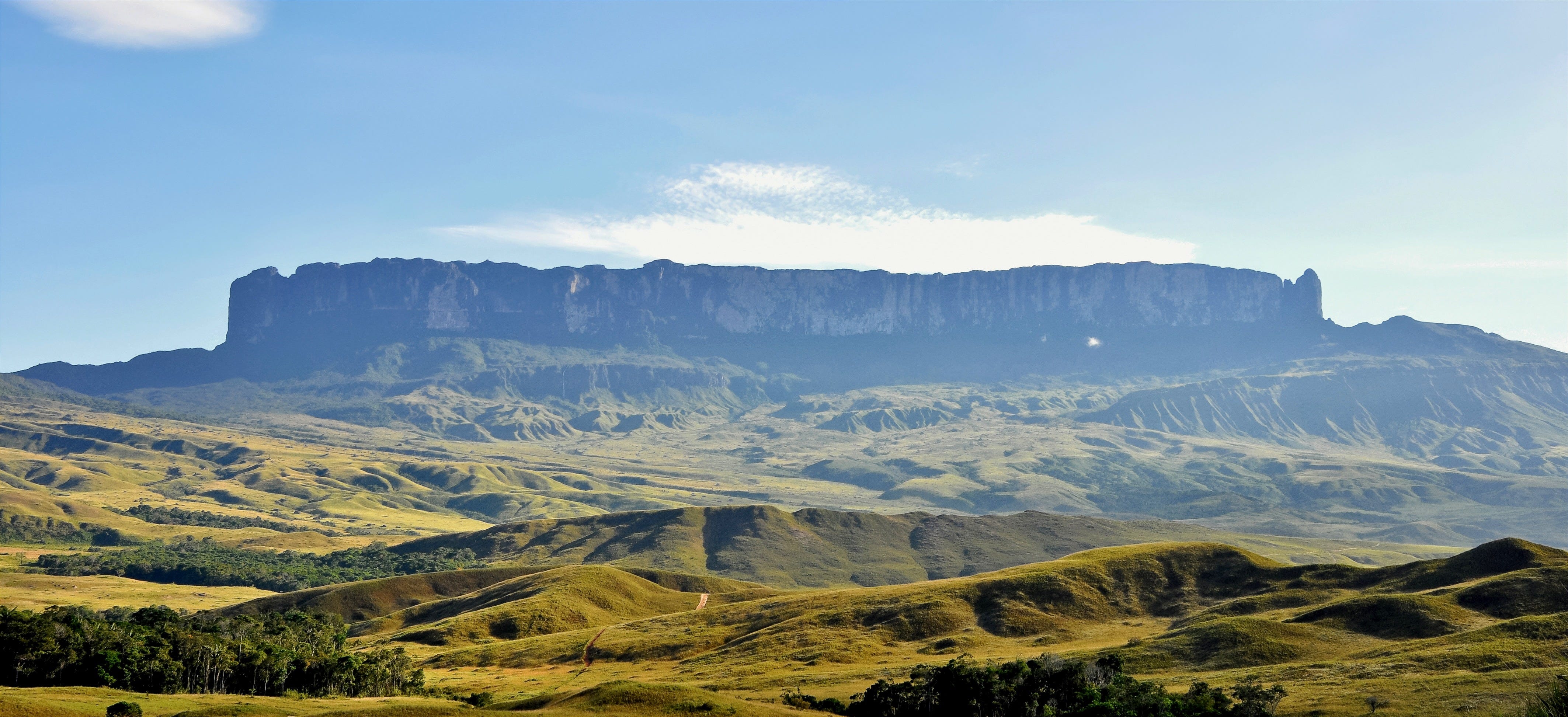
Mount Roraima | Bolívar, Venezuela 🇻🇪
5°08′36″N 60°45′45″W
Earthview is a reader-supported publication devoted to climate change and the environment. Please consider a paid subscription to support the work we do and access premium content.
In Brief
🇦🇺 Australia: The nation’s small population of sea lions is bracing for the arrival of bird flu, which has devastated their pinniped cousins in South America.
🇮🇩 Indonesia: The rush is on to document a Borneo rainforest before it is changed forever by the construction of the nation’s new capital.
🇱🇰 Sri Lanka: A rare plant last recorded on the island in 1855 has been rediscovered.
🇺🇸 United States: A ballot proposal in Colorado will ask voters to finance conservation and wildfire mitigation with a tax on sporting goods.
Planetary Pulse
Planetary Health — Latest figures
CO2: 430.78 PPM (+.34% YoY)1 | Temperature Anomaly: +1.42 C
Forest Cover: 31.8% | Protected Areas: 12.3% (17.3% terrestrial, 10.01% marine)
Emissions per Capita: 4.89 (World) | 9.1 (China) | 13.1 (USA) | 6.1 (EU) | 2.1 (India)
Low Carbon Electricity: 43.1% | Low Carbon Energy: 19.8% | EV New Sales: 30.6%2
The Other 74% 🌊
An astounding 1.3 million plastic bottles have been collected in a single-day cleanup organized by Ocean Conservatory.
Namibia has green-lighted the world’s first deep-sea phosphate mine.
Spain has proposed 23 new Marine Protected Areas (MPAs) in the Canary Islands and the Mediterranean.
Meet the Endangered
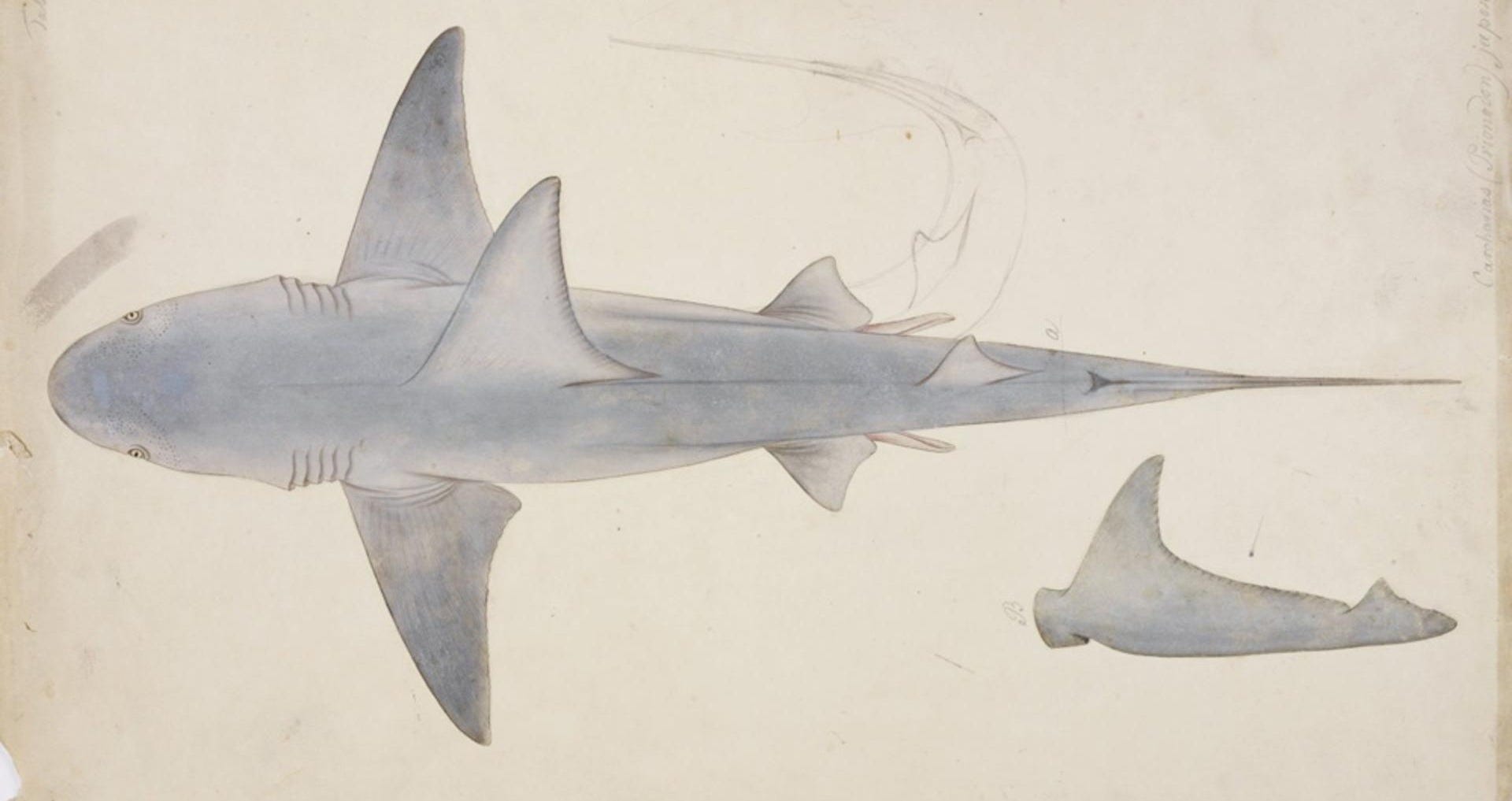
Ganges Shark (Glyphis gangeticus)
The Ganges Shark is a ghost species, so rare that - despite inhabiting one of the most densely populated regions on Earth - photos are almost impossible to find. Fewer than 250 are thought to remain, their presence inferred by occasional appearances in local fish markets and cutting-edge environmental DNA technology.
The freshwater requiem shark is native to the Ganges and Brahmaputra river systems of eastern India. Its eyes are small and turned upwards, adapted to the muddy river bottom environment. Its teeth are narrow and needle-like, made for trapping slippery fish like catfish and shad.
Recent genetic analysis has revealed that the Ganges Shark, the Irrawaddy Shark (Glyphis siamensis), and the Borneo River Shark (Glyphis fowlerae) - once thought to be three members of a single genus - are in fact a single species. Although these populations, too, are nearly extinct - the expanded geographic range serves as some measure of insurance.
IUCN: Critically Endangered (CR)
Earthview is a reader-supported publication devoted to climate change and the environment. Please consider a paid subscription to support the work we do and access premium content.
Latest daily figures
Latest quarterly global percentage (BEV +PHEV)