


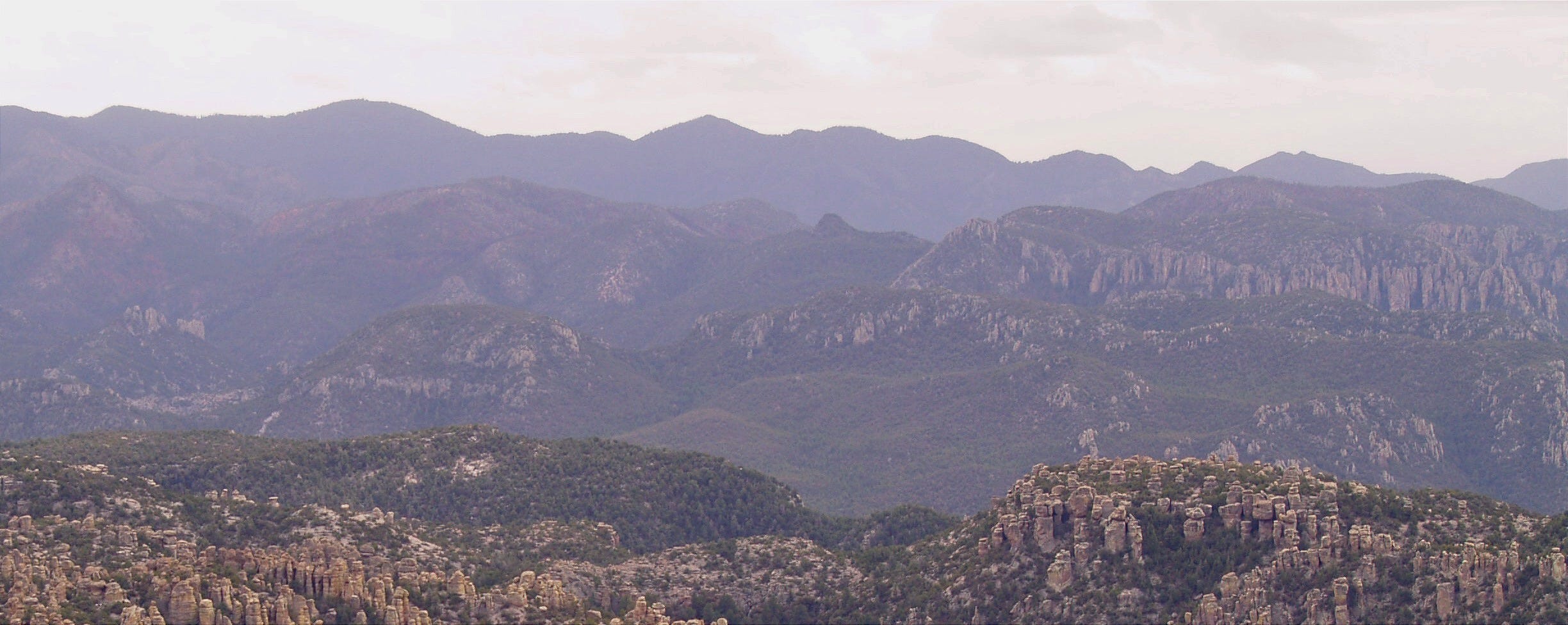
The United States has added a 64th member to its exclusive list of national parks: Chiricahua National Park in southeastern Arizona.
Chiricahua is an extraordinary rocky landscape formed by a massive volcanic eruption 27 million years ago. It had been protected as a national monument since 1924 and was expanded to its current size by President Franklin D. Roosevelt in 1938.
Since 2022, conservationists and Arizona’s congressional delegation have made a concerted effort to redesignate the area as a national park. These efforts finally succeeded last month, culminating in an act of Congress signed by President Trump.
Among the region’s most distinctive features are its famous “sky islands” of biodiversity. Towering, chimney-like rock columns create isolated, highly perched ecosystems, with an supercharged degree of endemism more typical of oceanic islands.
The monument had been a mecca for hiking and camping, and the new designation is expected to generate an uptick in visitors. However, 85% of the park has been designated as a wilderness area, prohibiting any human activities that could disturb wildlife.