


Like many disruptive technologies, electric vehicles are targeted by an onslaught of disinformation designed to hurt consumer adoption and protect incumbent players - namely the global oil industry.
But EVs are in fact superior in almost every way to their internal combustion engine (ICE) competitors. And soon the two-thirds of global oil demand used for light-vehicle transport will start to fall as consumers go electric.
Here are nine electric vehicle myths debunked:
9. Destroys Roads

Electric vehicles are typically 20% heavier on average than gasoline vehicles, and this fact has led to the myth that EVs destroy roads and will lead to catastrophic increases in road maintenance costs. This simply isn’t true. Large 18-wheeled semi-trucks cause the vast majority of structural road damage - passenger vehicles account for less than 1%. For this reason, the increased damage caused by passenger EVs is statistically insignificant.1
8. Too Expensive
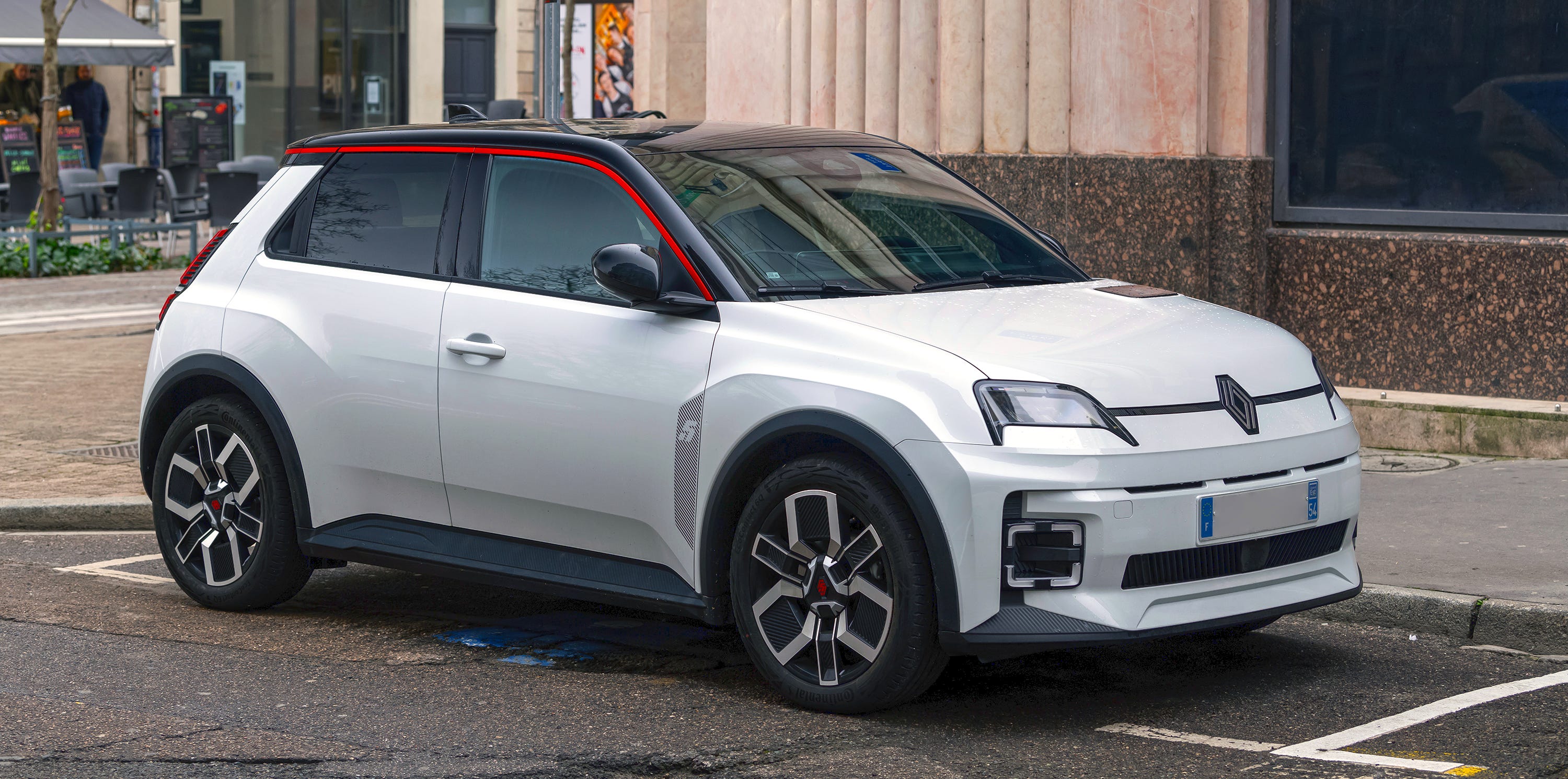
A myth persists that EVs are pricey toys for billionaires and millionaires, and are too costly for an average consumer to buy. It is true that the initial buying price of an EV is typically more expensive than that of an ICE vehicle, particularly at the higher end of the market. But refueling and maintenance costs are much lower. In most cases, the total cost of ownership is lower for an EV than an equivalent gasoline car.2
And sticker prices are falling too. The fastest-growing EV markets in the world are developing countries like Nepal, Ethiopia, and Indonesia, where cheap Chinese models dominate sales. The best-selling models in Europe are also relatively inexpensive. Even the United States should be seeing sub-$30,000 EV options soon.
7. Always Exploding

When an electric vehicle catches fire, the event attracts extraordinary amounts of publicity and is used to promote the myth that EVs are unsafe. In reality, EVs are 98% less likely to catch fire than gas cars.3 Fires involving lithium-ion batteries do present unique risks, however, as they are more difficult to extinguish and require specialized techniques to handle safely.
Unlike gas vehicles, EVs have a technological pathway to permanently lower fire danger. Next-generation battery chemistries like sodium-ion promise to reduce fire risk by 70% to 90% beyond li-ion.
6. No Place to Charge
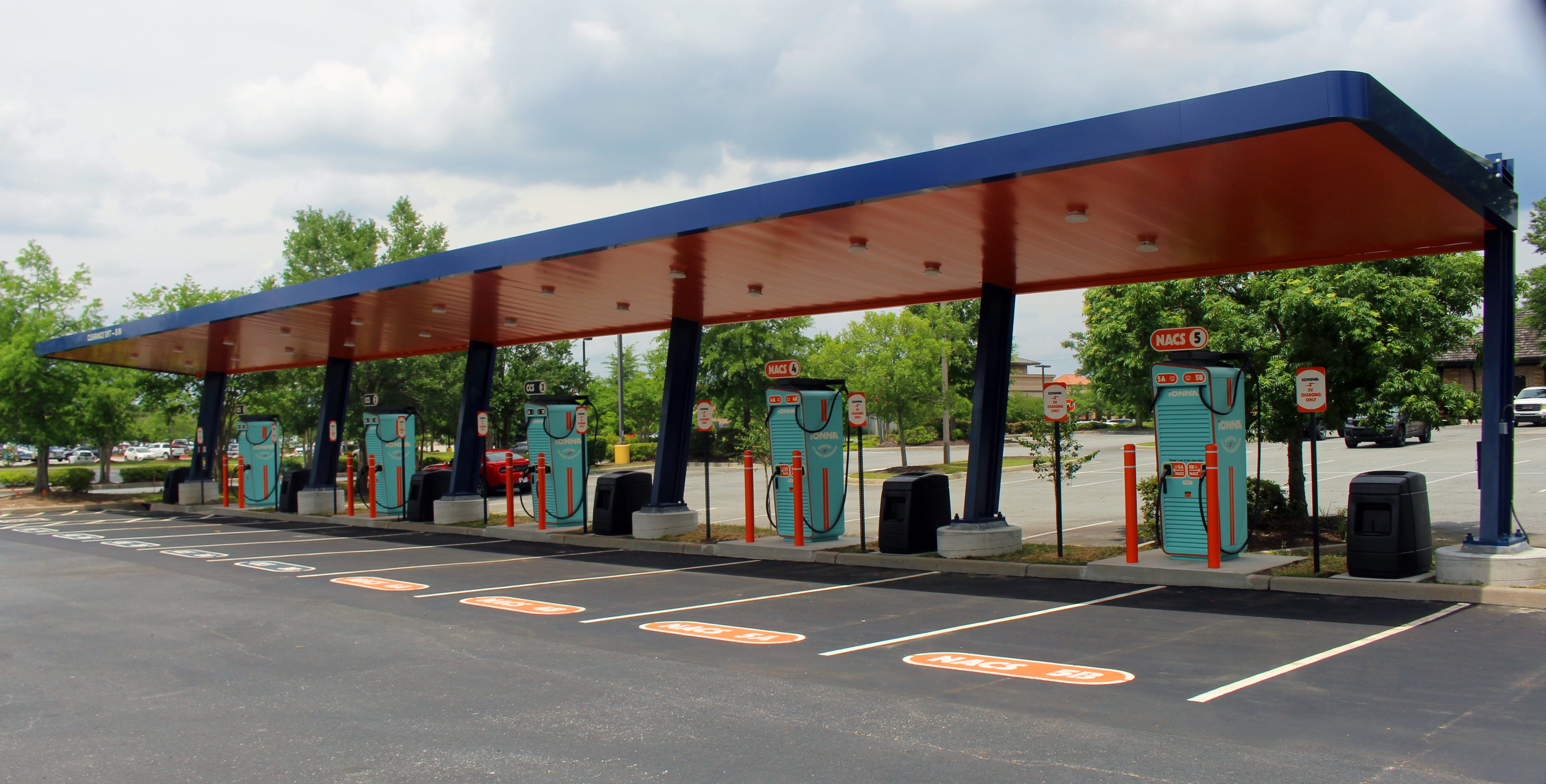
Many potential EV buyers are scared off by the fear of being stranded in the wilderness with no place to charge. This fear is misplaced. 80% of EV charging happens at home.4 And the DC fast charging network needed to support long-haul journeys has indeed been built.
There are 14,291 level-3 fast-charging stations in the United States5, with thousands more being added every year. EV charging stations will never be as common as gas stations, as they are only needed for 20% of refueling needs. But even now, you can get anywhere you want to go with an EV.
Get Earthview in your inbox:
And consider a paid subscription to access premium content and support the work we do!
5. Will Cause Grid Collapse
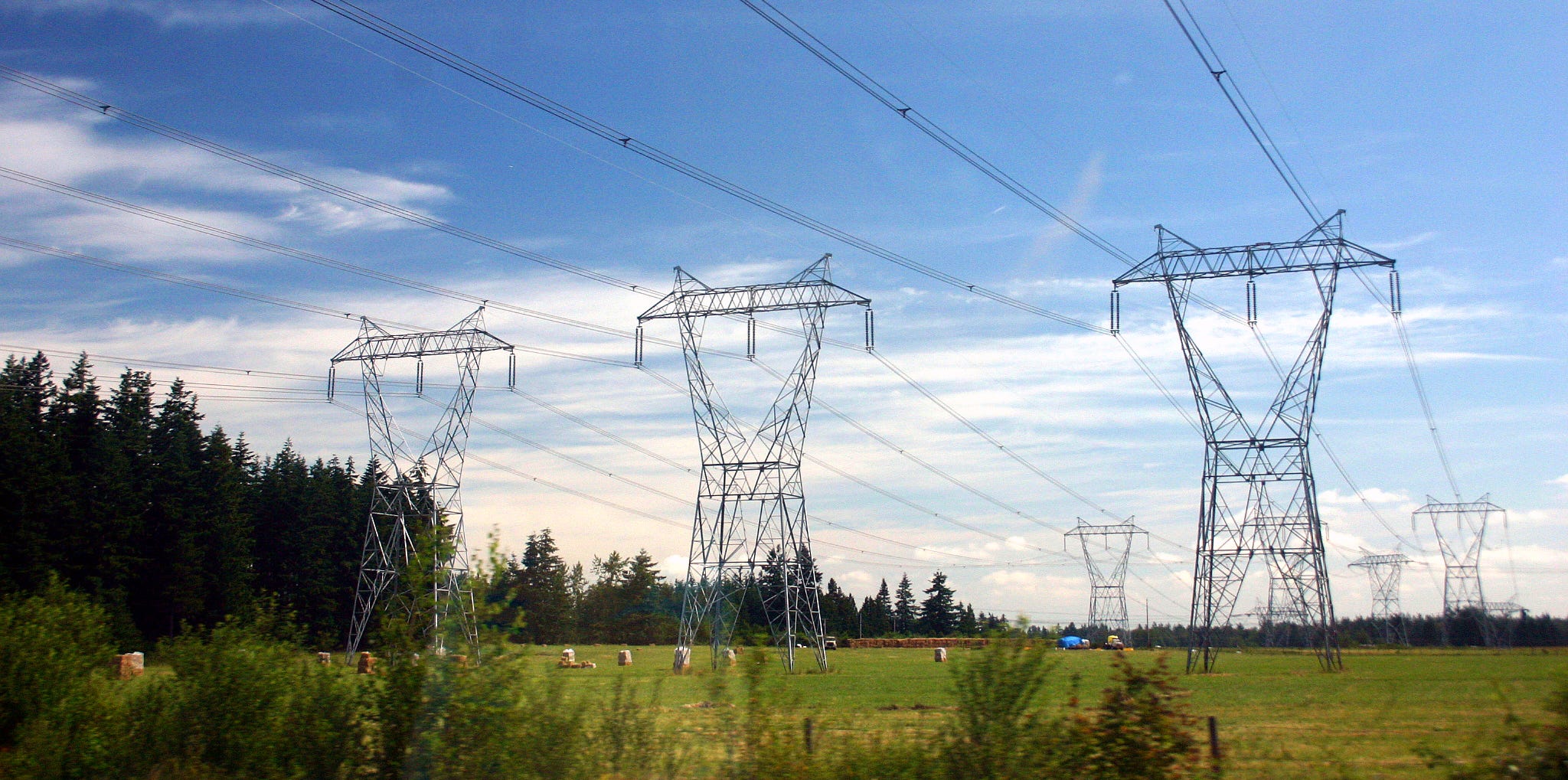
One persistent piece of EV disinformation holds that large charging loads from electric vehicles will cause the electric grid to collapse - leading to blackouts, brownouts, and a post-industrial hellscape of unreliable electricity.
This is nonsense. Electric vehicles are “smart loads” that can be charged at a time convenient for both the car’s owner and grid operators. And EV batteries can make the grid more reliable, by serving as a vital storage resource - charging and discharging dynamically to balance the variability of wind and solar resources.
4. Don’t Work in the Cold

Anti-EV propaganda claims electric vehicles break down in the cold. Current EVs do indeed lose capacity and thus range during cold weather. But they still work. The country with the highest EV penetration rate in the world is Norway, an Arctic nation not exactly known for its warmth. One-third of Norway’s existing automobile fleet is electric, proving that cold-weather performance of current EVs is adequate for most uses.
Future technology is also likely to eliminate the cold-weather penalty. Emerging chemistries like sodium-ion and solid-state batteries retain nearly all of their capacity at low temperatures. One day soon, consumers may even have the option of buying a cold-weather package that includes a special battery.
3. Are Niche Products
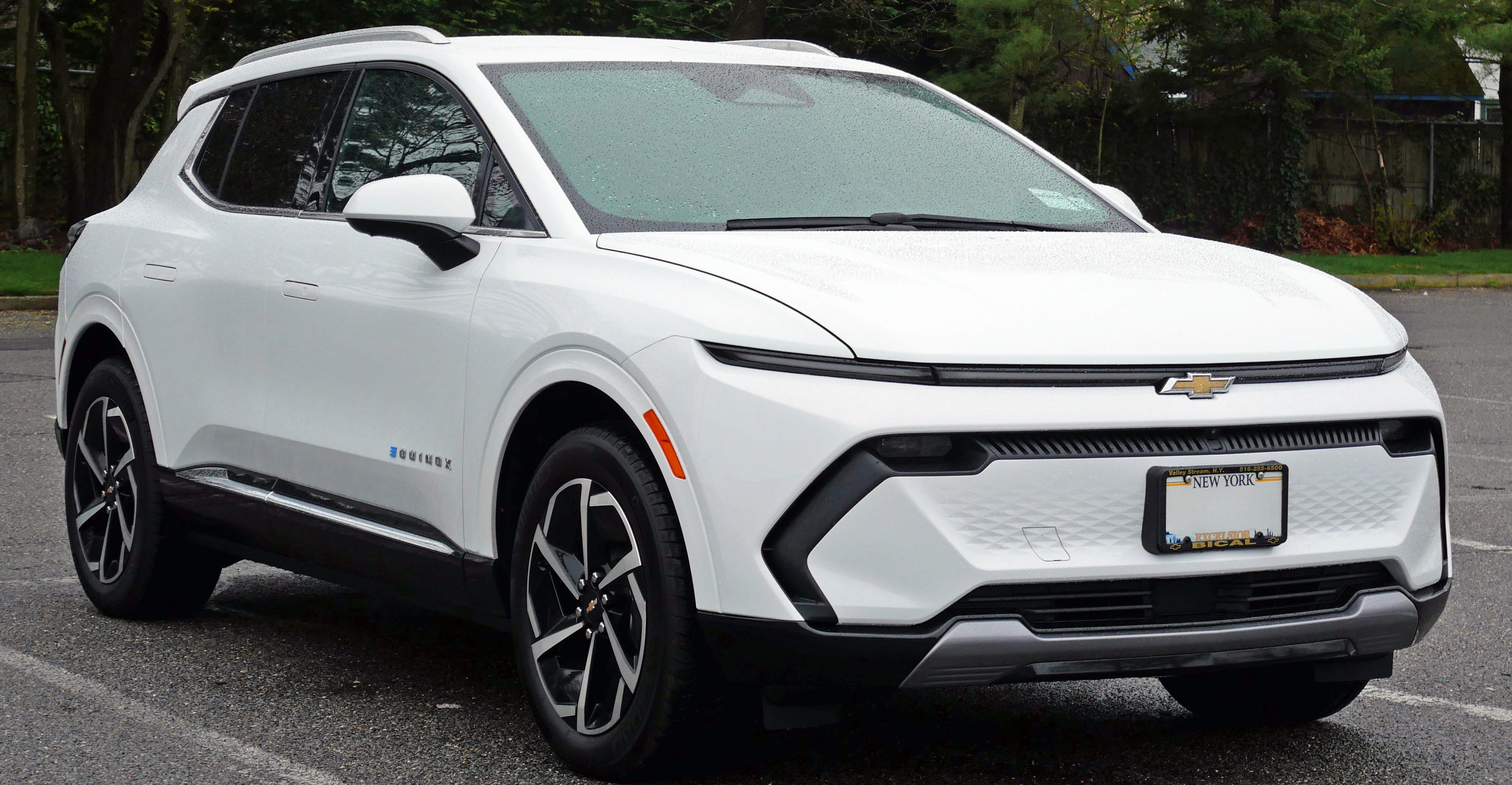
EVs are often dismissed as “niche products” that appeal to a small segment of buyers, but will never be able to reach 100% of all automobile sales. They are fine for rideshare drivers on short trips, the argument goes, but will never have the range or charging infrastructure for long journeys.
In fact, they already do. EVs currently make up 98% of all car sales in Norway, over 50% in China, and over 30% in the United Kingdom. EVs are already mainstream. It is gasoline-powered vehicles that are increasingly confined to niche uses. Long-haul towing with a full-size pickup, for example, is one of the few remaining use cases for internal combustion engine (ICE) powertrains.
2. Sales Are Collapsing
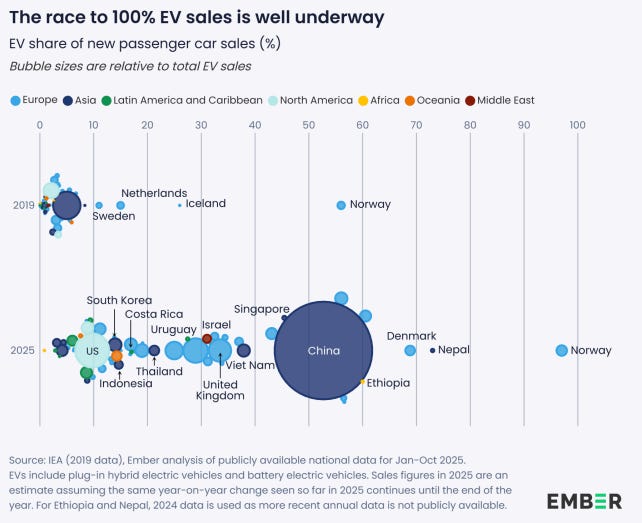
Google “electric vehicle” and you’re likely to be deluged by clickbait headlines proclaiming “crashing” EV sales. It is indeed possible, of course, to find sales declines if you choose to focus on a single market, a single carmarker, or a single timeframe. But globally, the overall trend of EV sales has been relentlessly upward over the last decade.
EV sales rocketed up 35% in 2023, 25% in 2024, and then increased another 20% in 2025. Last year, EVs made up more than 50% of all automobile sales in China and more than 25% in Europe. On current trends, they could make up over 90% of all light-vehicle sales as early as 2033.
1. Bad for the Environment
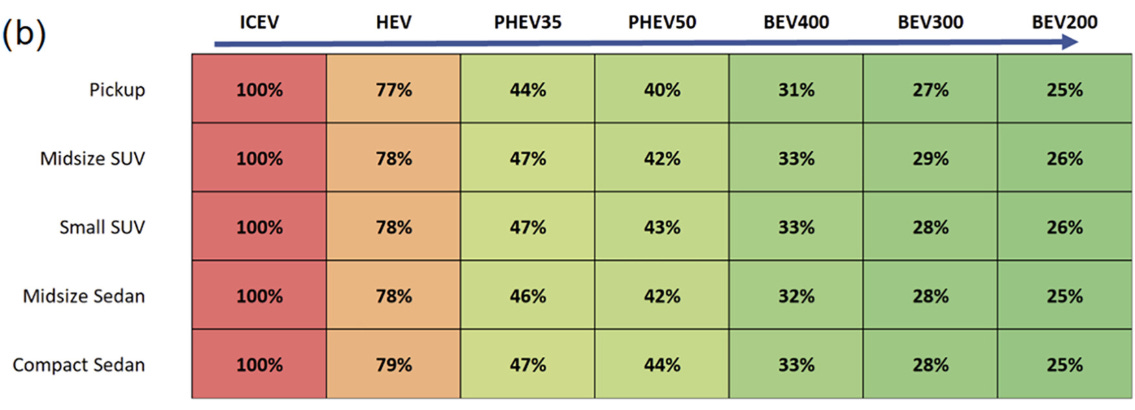
The single biggest lie told about electric vehicles is that they are no better for the environment than gasoline-powered cars. Like many lies, this whopper is rooted in a half-truth. The production of EVs is energy-intensive and does generate more GHG emissions than the production of gasoline vehicles.
But over time, EVs “pay back” this carbon debt because they run on electricity - a comparatively low-carbon fuel. This is true even for regions of the world that rely on coal generation for electricity, mostly because EVs are more efficient than ICE cars and use less energy overall. This carbon payback period currently averages between one-and-a-half and two years.
Over the full lifecycle, EVs produce 70% to 80% fewer carbon emissions than gasoline cars.6 In the near future, the incorporation of green steel and lower-carbon electric grids will bring down EV emissions even closer to zero.
Get Earthview in your inbox:
And consider a paid subscription to access premium content and support the work we do!