


Nuclear energy is deeply divisive among environmentalists. The operation of nuclear fission reactors undoubtedly carries calamitous environmental risks - to which the accidents at Chernobyl, Three Mile Island, and Fukushima attest.
Nonetheless, nuclear plants provide massive amounts of low-carbon electricity at a time when the world desperately needs to phase out fossil fuels. Most countries closest to net-zero have some nuclear energy in their generation portfolios.
Here are the nine countries with the most nuclear energy, ranked by percentage of primary energy consumption from nuclear:1
9. Switzerland 🇨🇭- 17.0%
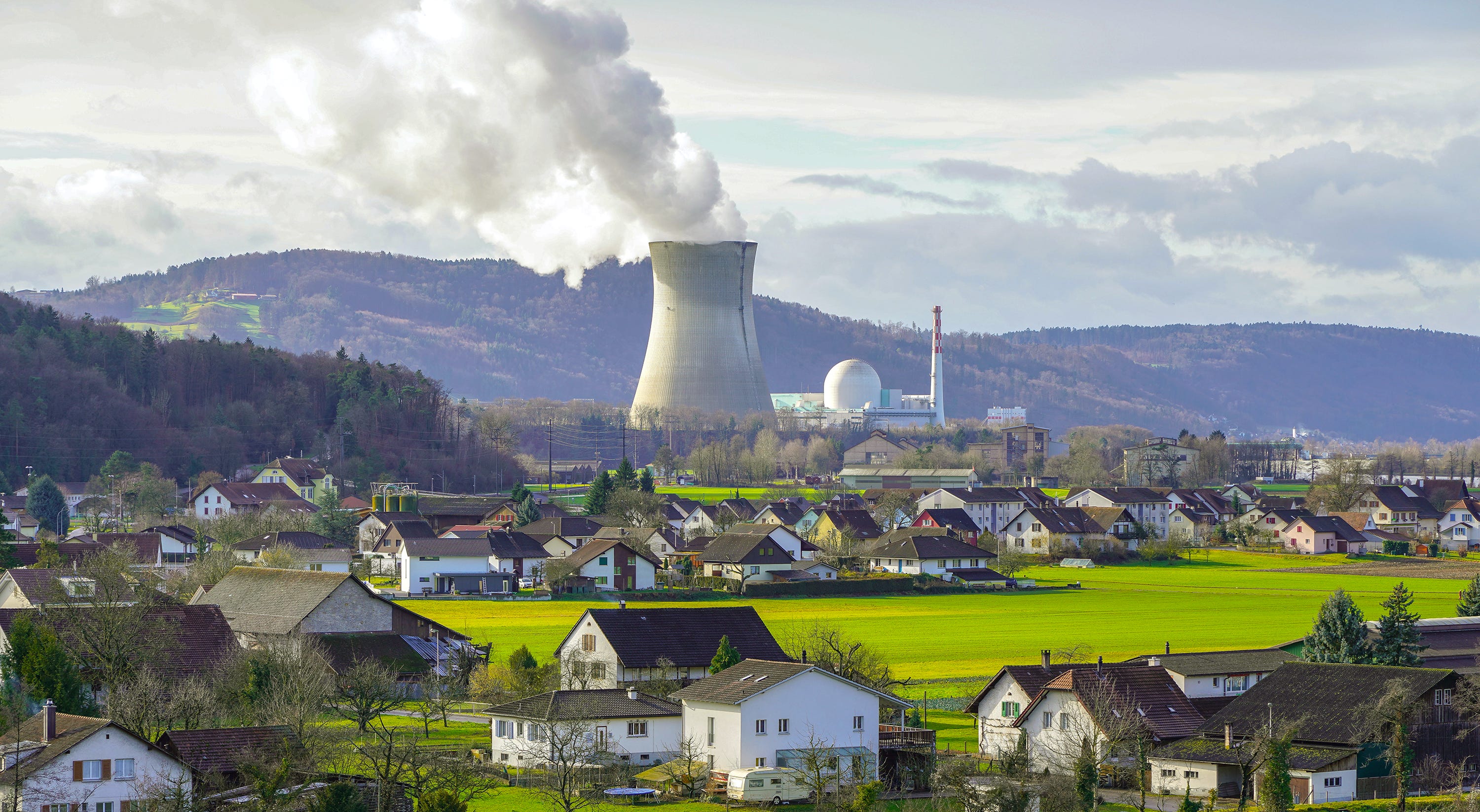
The bucolic Alpine nation of Switzerland is home to four nuclear reactors at three plants. They generated 26 TWh of electricity in 2025, providing about one-third of the country’s electricity.
Switzerland banned the construction of new nuclear plants in 2017, and plans to phase out the existing reactors by 2044. The war in Ukraine has reopened debate about this policy.2
8. Slovenia 🇸🇮 - 18.3%
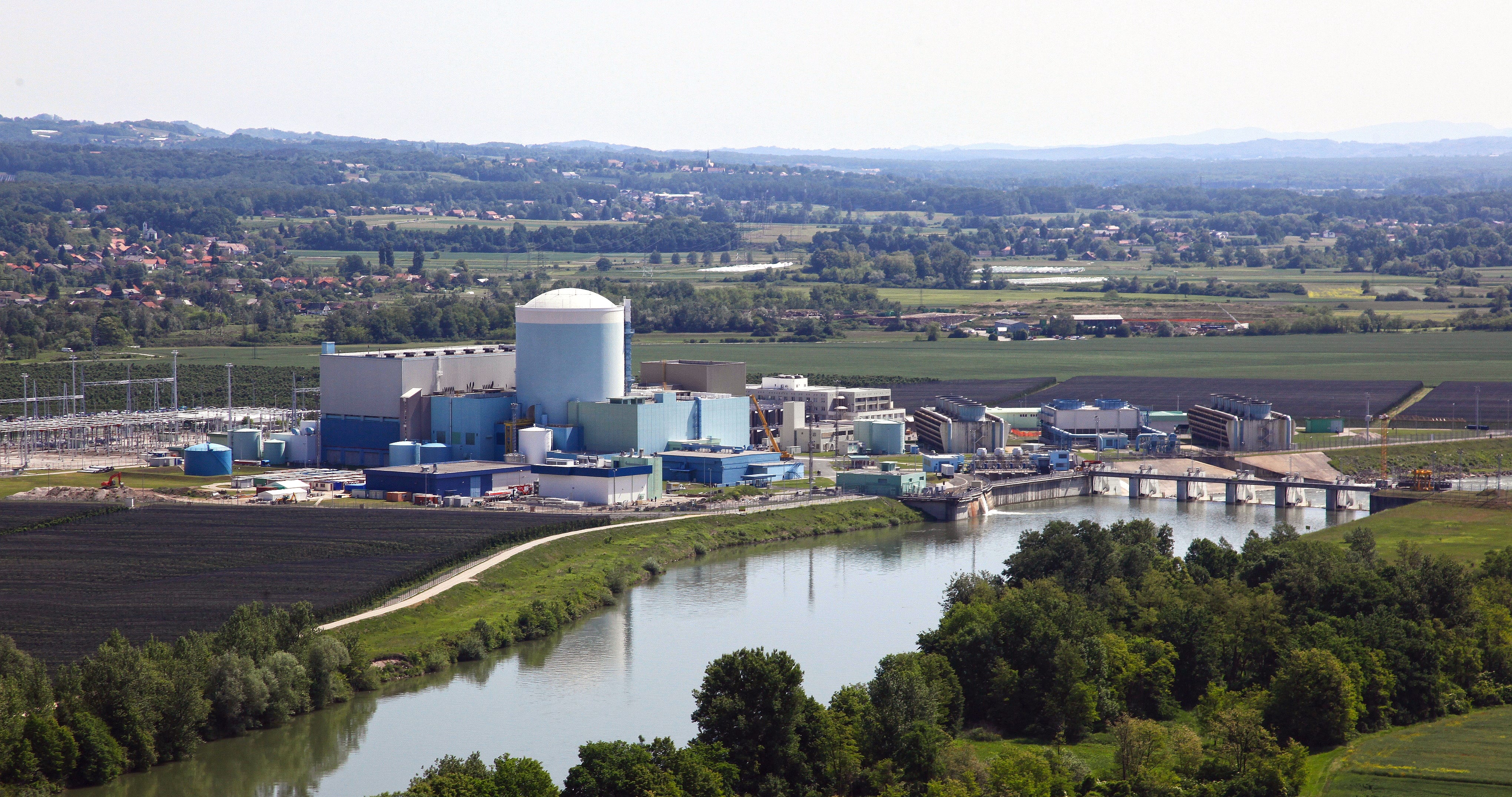
Slovenia operates one nuclear reactor of Western design inherited from its predecessor state Yugoslavia. It alone provides 35% of the small nation’s electricity.
Slovenia intends to build new reactors on the site, and is currently soliciting bids from France-based EDF and US-based Westinghouse.3
7. Czechia 🇨🇿 - 18.6%
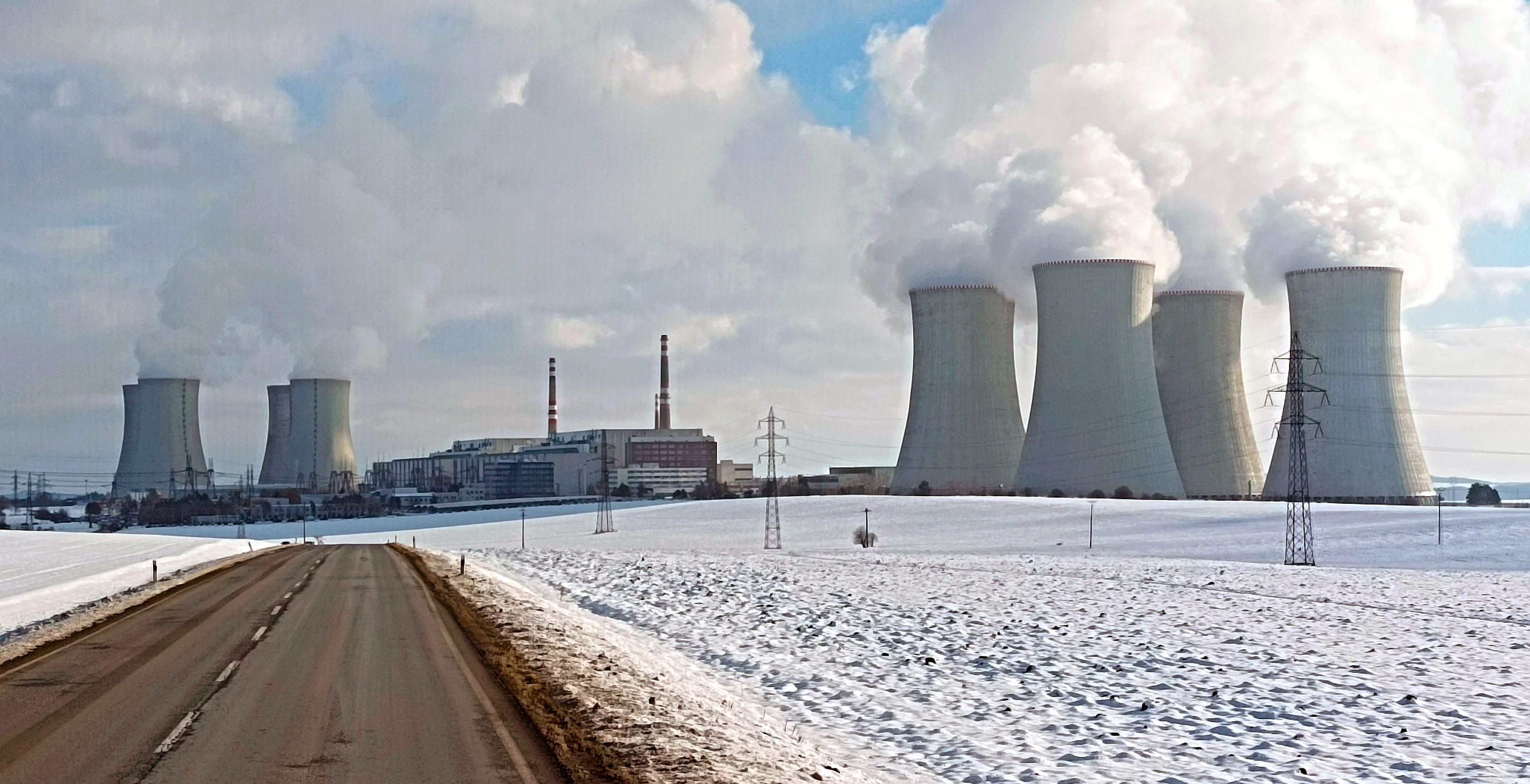
Czechia operates six nuclear reactors at two sites, all of Cold War-era Soviet vintage. Together they combine to provide 41% of the Central European nation’s electricity generation.
In the wake of Russia’s invasion of Ukraine and the resultant disruption of natural gas supplies, the Czech government has announced plans to build at least two and possibly four new reactors.4 Opinion polls show strong support for the nuclear industry.
6. Bulgaria 🇧🇬 - 20.3%
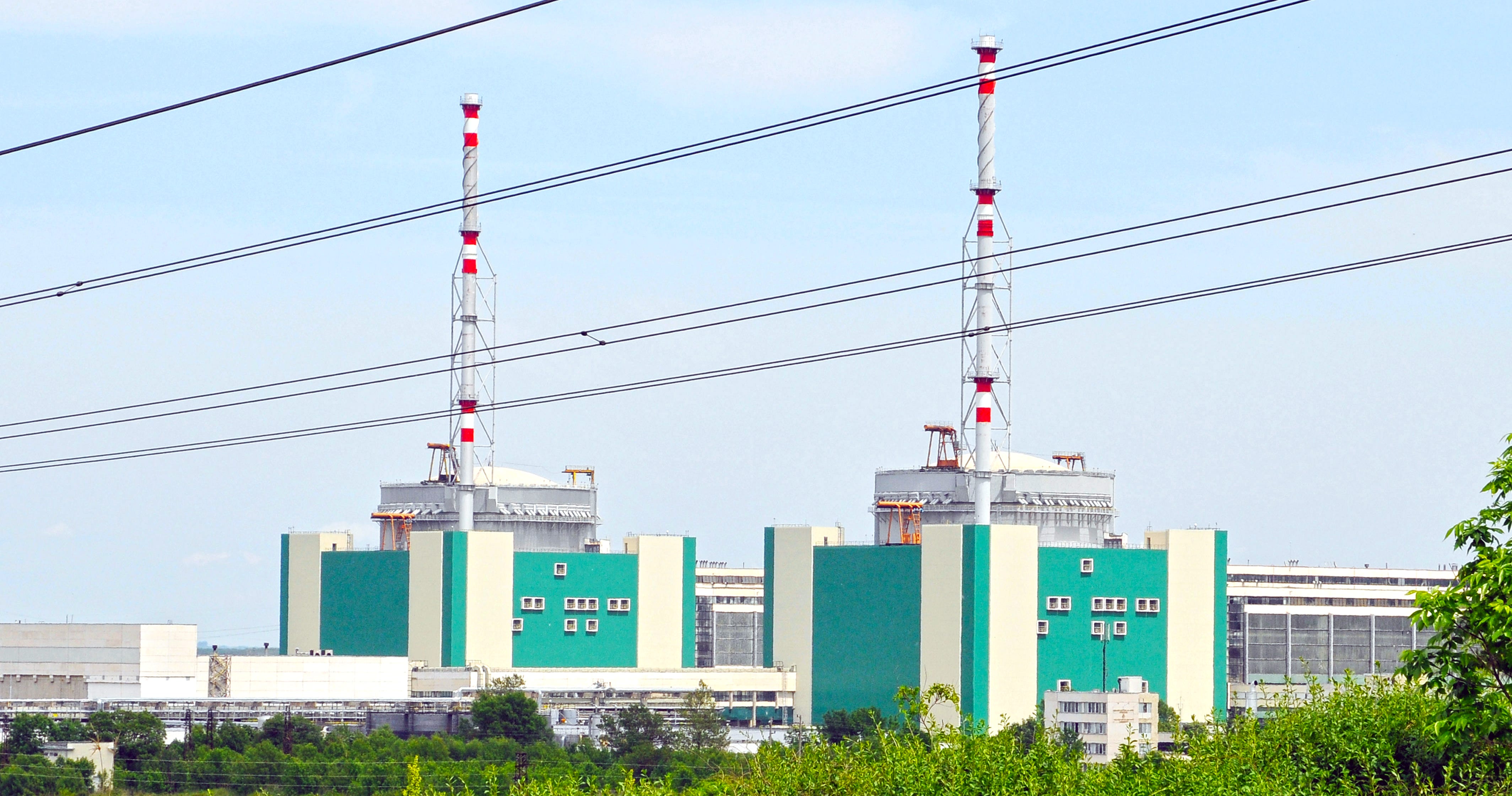
Bulgaria operates two reactors at a single plant in the far northeast of the country. This plant - Kozloduy - produces 40% of the nation’s electricity.
Bulgaria intends to build new reactors of Western design on the existing site and at a nearby abandoned nuclear plant. It is also exploring Small Modular Reactors (SMRs).5
5. Sweden 🇸🇪 - 20.9%
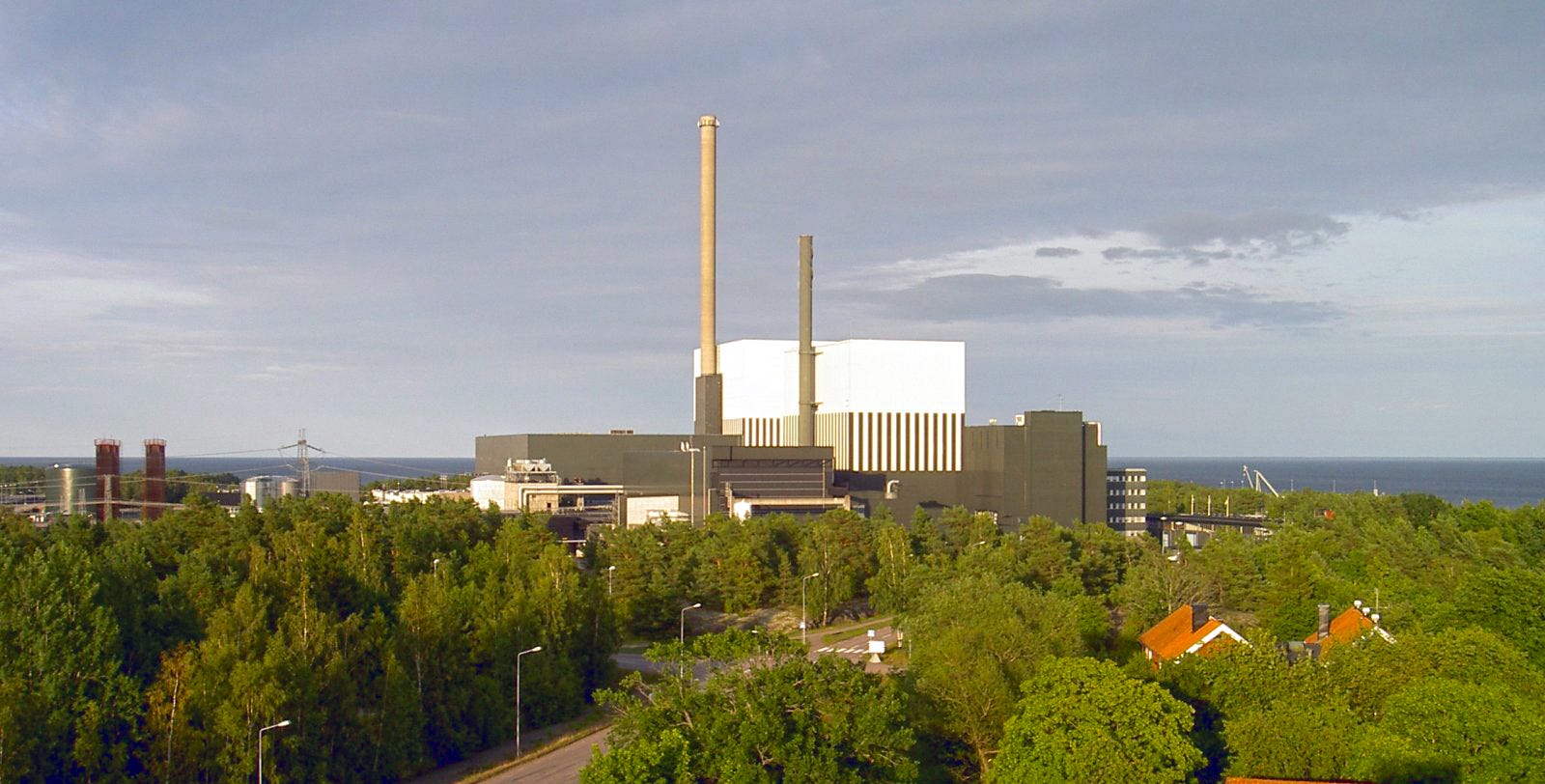
Sweden is the major economy closest to net-zero. And it is in no small part due to its nuclear fleet - six reactors at three plants. These reactors produce 30% of Sweden’s electricity, combining with hydro’s 38% and wind’s 23% to make the Nordic nation’s electricity generation remarkably low-carbon.
Sweden abandoned plans to phase out nuclear in 2010, and now has a target for 2.5 GW of new nuclear generation.6
Get Earthview in your inbox:
And consider a paid subscription to access premium content and support the work we do!
4. Ukraine 🇺🇦 - 21.7%
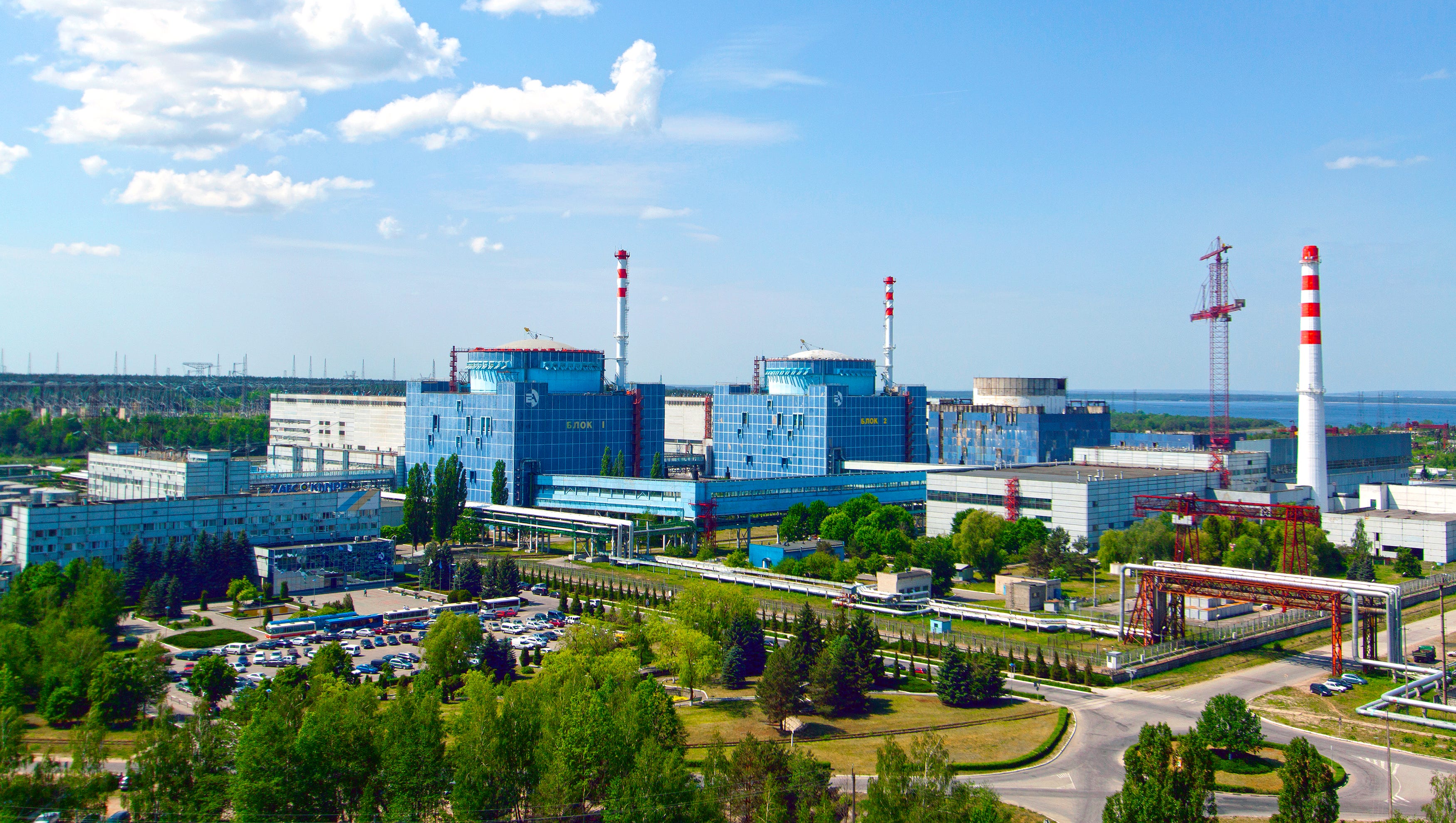
Despite hosting the worst nuclear accident in the world, Ukraine is nevertheless deeply reliant on nuclear energy decades after Chernobyl. Ukraine operates nine nuclear reactors at three power plants, all of Soviet design. Together these plants provide just over half of the country’s electricity.
An additional six reactors at the Zaporizhzhia Nuclear Power Plant were captured by Russian forces in February 2022, early in the Ukraine War. Once the largest nuclear power plant in Europe with a monstrous 5.7 GW capacity - it is now mostly shut down.
In 2022, Ukraine approved the construction of nine new reactors using American technology.7
3. Finland 🇫🇮 - 24.3%
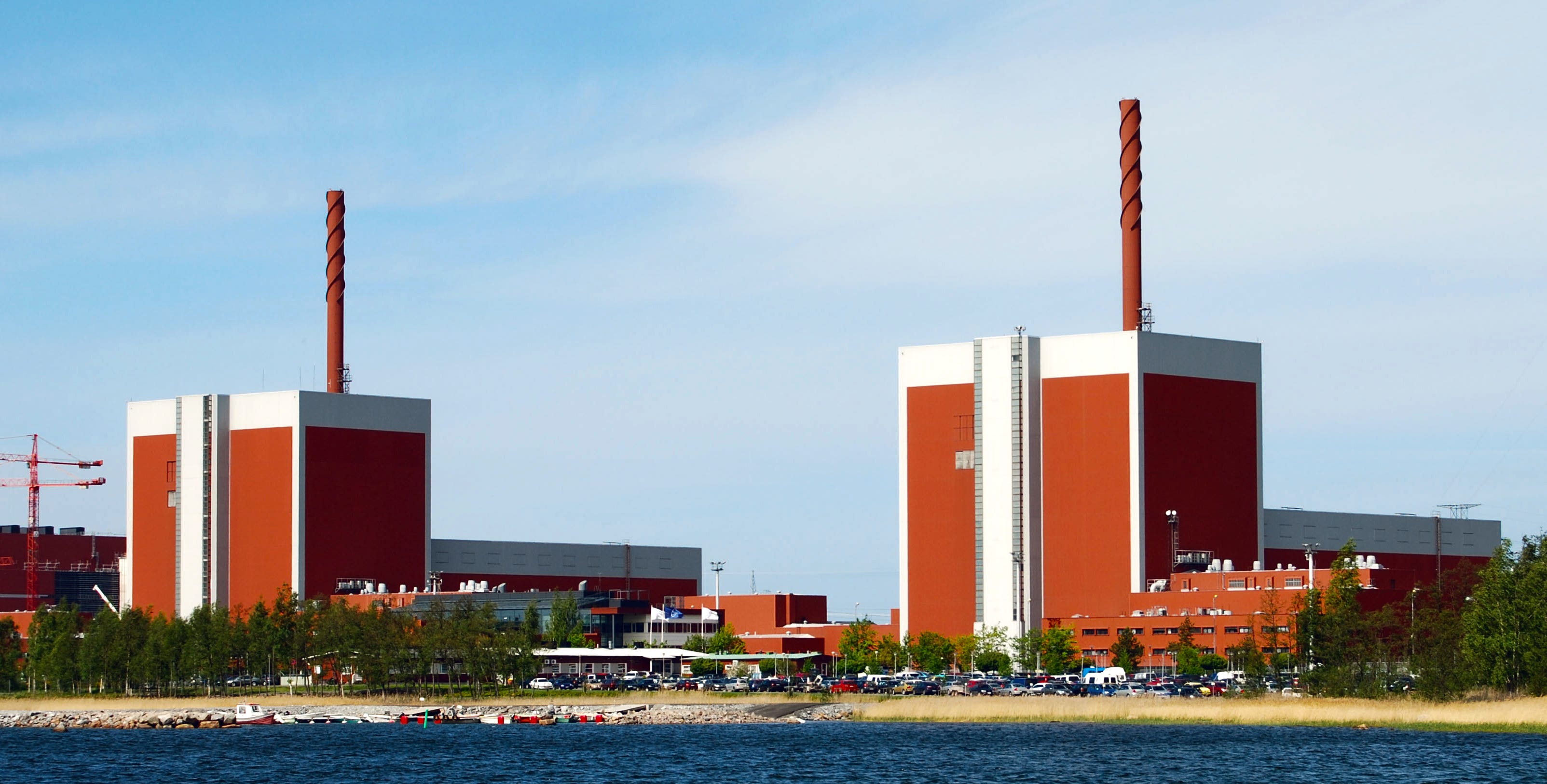
Finland has five operating nuclear reactors at two power plants, both located along the nation’s Baltic Sea coast. Nuclear generates 40% of the country’s electricity.
Finland’s most recent attempt to build a nuclear reactor was a notoriously torturous endeavour that went $8.7 billion over budget. Originally scheduled to start operations in 2009, the third reactor at the Olkiluoto plant finally began generating electricity in 2023.8 Finland remains committed to the technology as a way to reduce its dependence on Russian imports and is exploring SMRs.
2. Slovakia 🇸🇰 - 24.8%
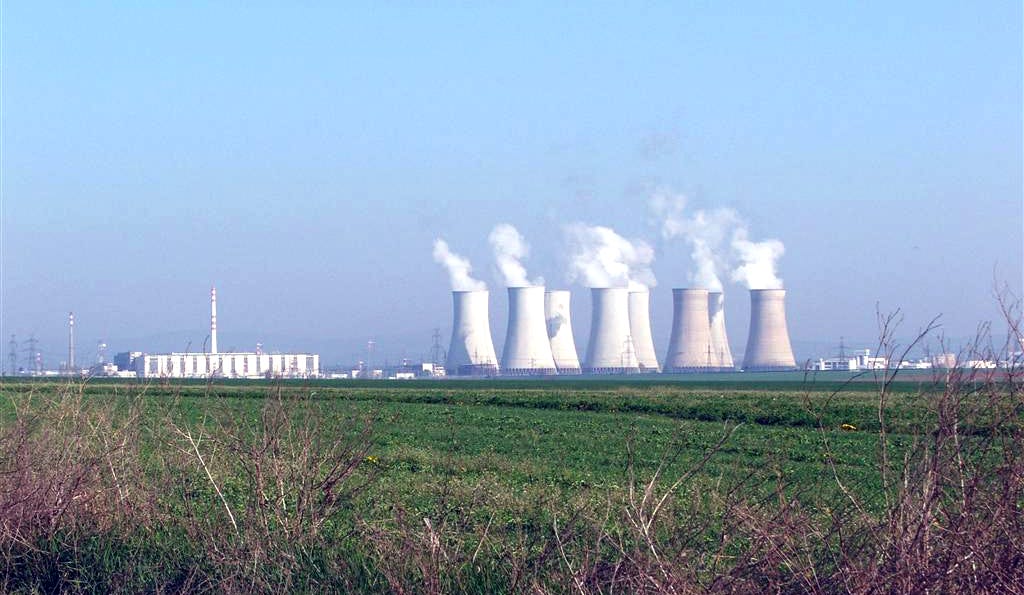
Slovakia operates five nuclear reactors at two plants inherited from Czechoslovakia, its Warsaw Pact predecessor state. In 2025, these reactors generated around 16 TWh, representing 62% of the nation’s electricity.
Construction of two Russian-designed reactors started in 2008, the first of which came online in 2023 and the second of which is due this year. An additional reactor of American design has been approved with a target operational date of 2040.9
1. France 🇫🇷 - 37.4%
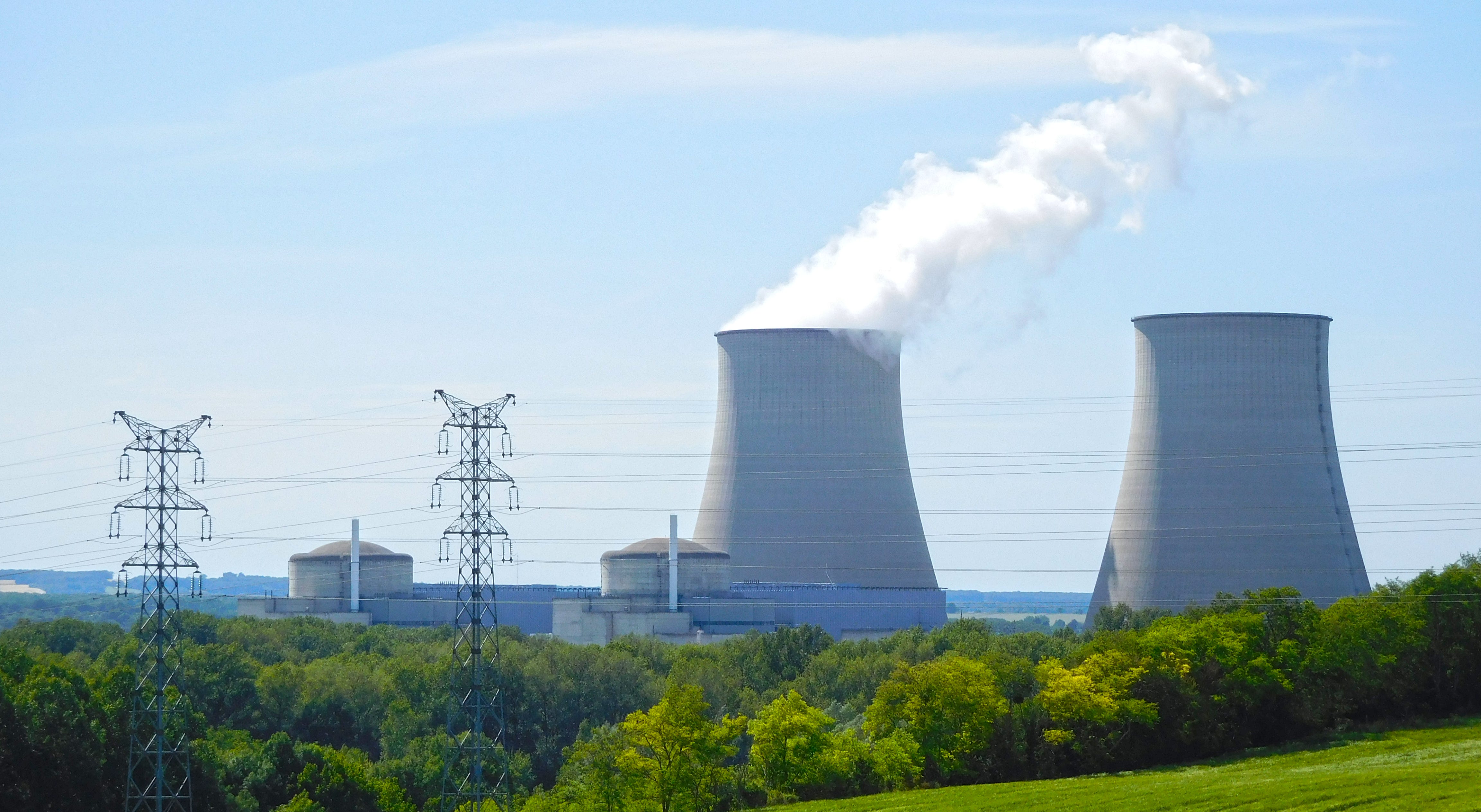
France is unrivaled in its reliance on nuclear energy. It operates 57 reactors which generate around 380 TWh of electricity - 68% of the country’s total. This nets out to less than 40% of primary energy, however, as most vehicles are still powered by gasoline and natural gas provides a fair amount of heating.
France’s nuclear program faces little political opposition, but adding new capacity to meet future demand will be challenging. Only one new reactor has been built in the last 25 years. The project took 17 years, cost $27.5 billion, and will produce electricity at an estimated price of $160/MWh - nearly twice what the UK pays for offshore wind.10
Get Earthview in your inbox:
And consider a paid subscription to access premium content and support the work we do!
Countries are ranked by percentage of primary energy consumption generated by nuclear fission reactors. These figures include both electricity and heat. They are adjusted to account for heat loss in fossil fuel combustion.