


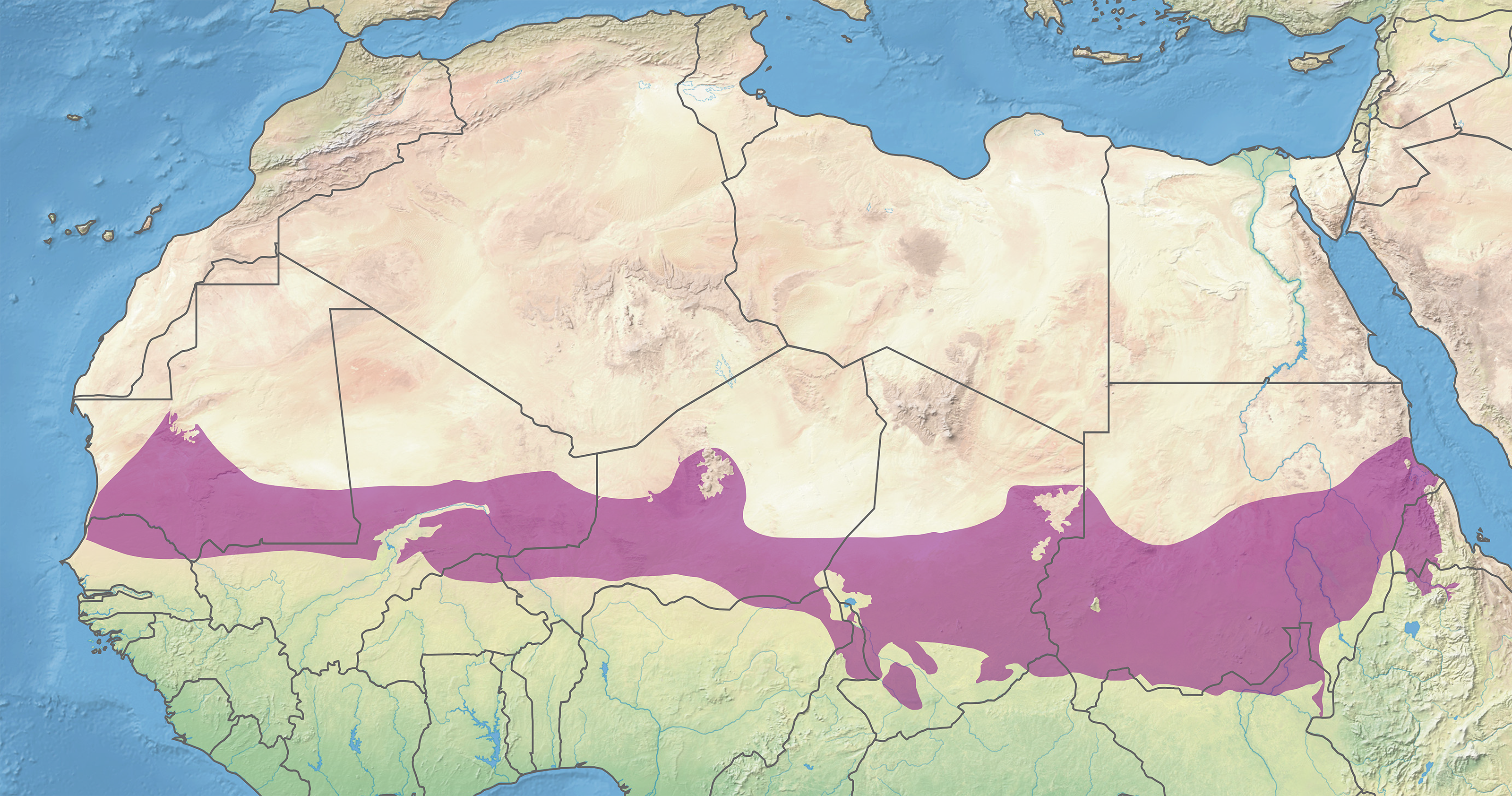
The Sahel is an ecoregion in Africa directly south of the Sahara Desert with a hot, semi-arid climate supporting a wide array of diverse wildlife.
Here are nine awesome animals of the African Sahel:
9. Barbary Sheep
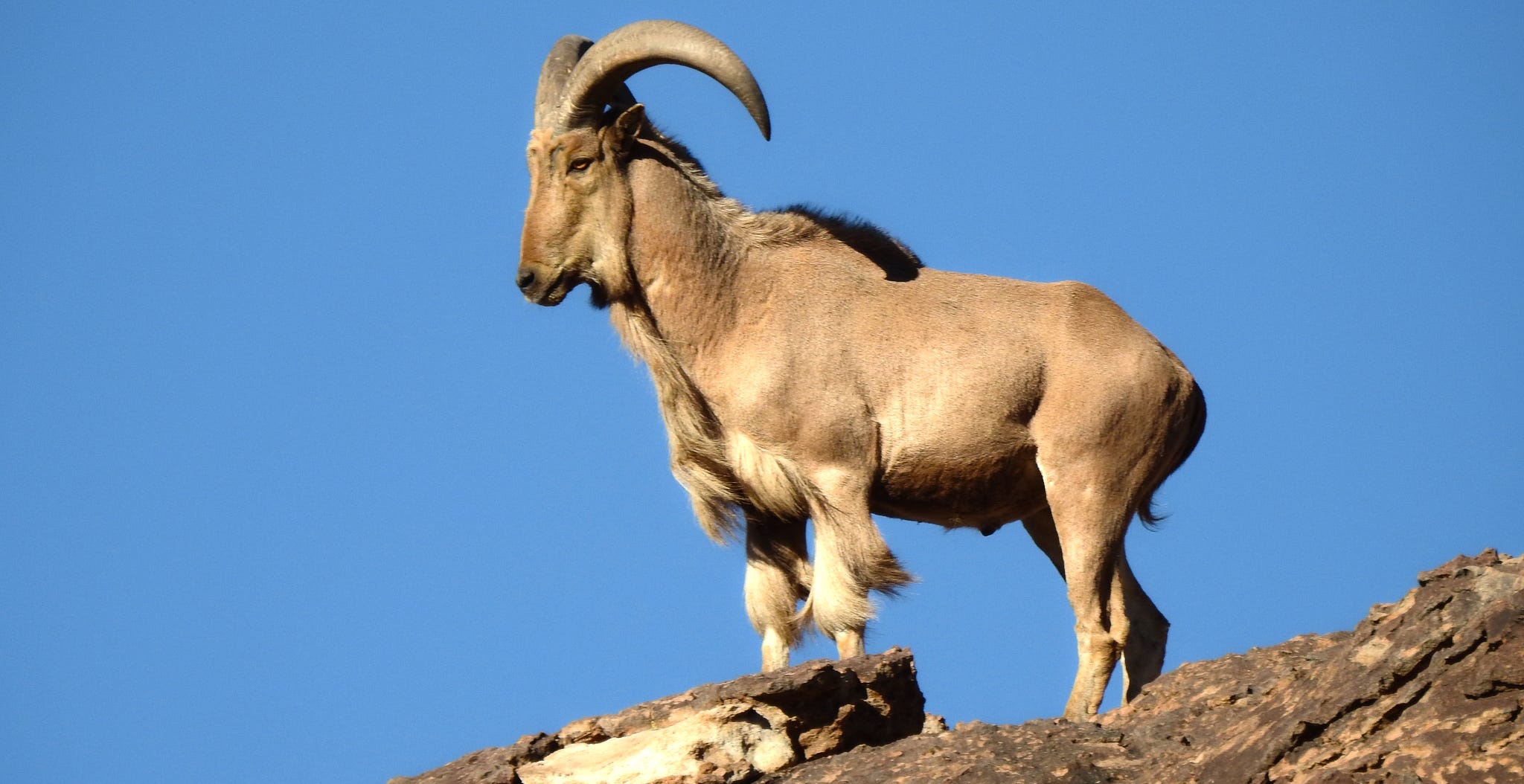
Barbary Sheep are native to the arid, rocky mountains of the Sahel. Well adapted to the terrain, they are capable of obtaining all the water they need from food alone and can jump over 2 m (7 ft). This ability to move quickly up a mountainside helps to evade predators like leopards, lions, and caracals. Introduced populations exist in Spain and the Southwestern United States.
Ammotragus lervia | IUCN - Vulnerable (VU)
8. Saharan Silver Ant
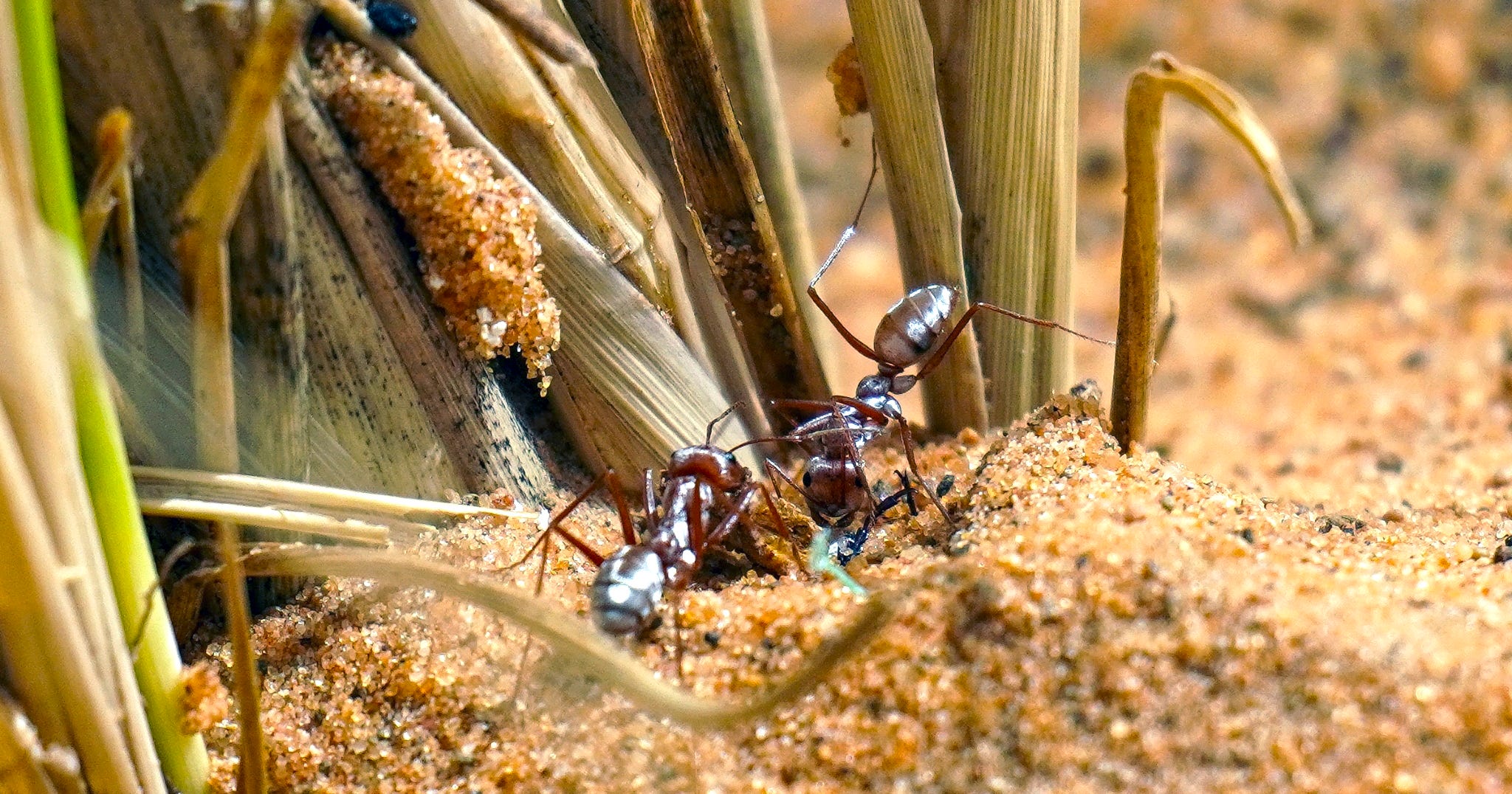
The Saharan Silver Ant is the fastest ant species in the world, travelling at a speed of 108 times its own body length per second. The same rate in a human would equal 720 km/h (447 mph). This extreme speed is needed in the blisteringly hot Sahel, where being outside the nest for longer than a few minutes can prove lethal.
Cataglyphis bombycina | IUCN - Not Evaluated (NE)
7. Secretarybird
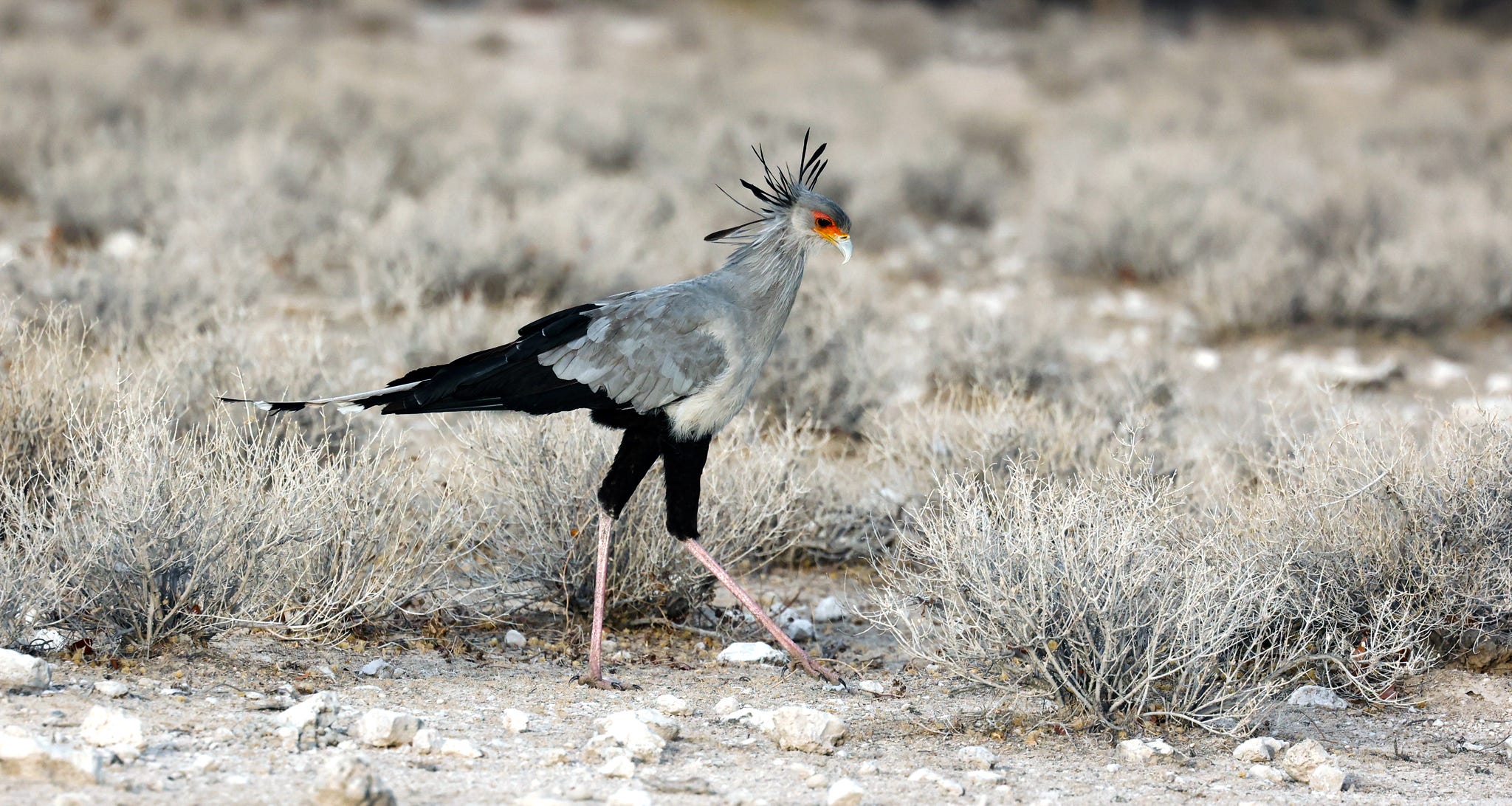
The Secretarybird is a large bird of prey found throughout sub-Saharan Africa. Unusually, it is mostly terrestrial - stalking and hunting its prey on foot. It uses its powerful legs to stomp prey - such as lizards and snakes - to death, usually targeting the head for a knockout blow.
Sagittarius serpentarius | IUCN - Endangered (EN)
6. Black Mamba
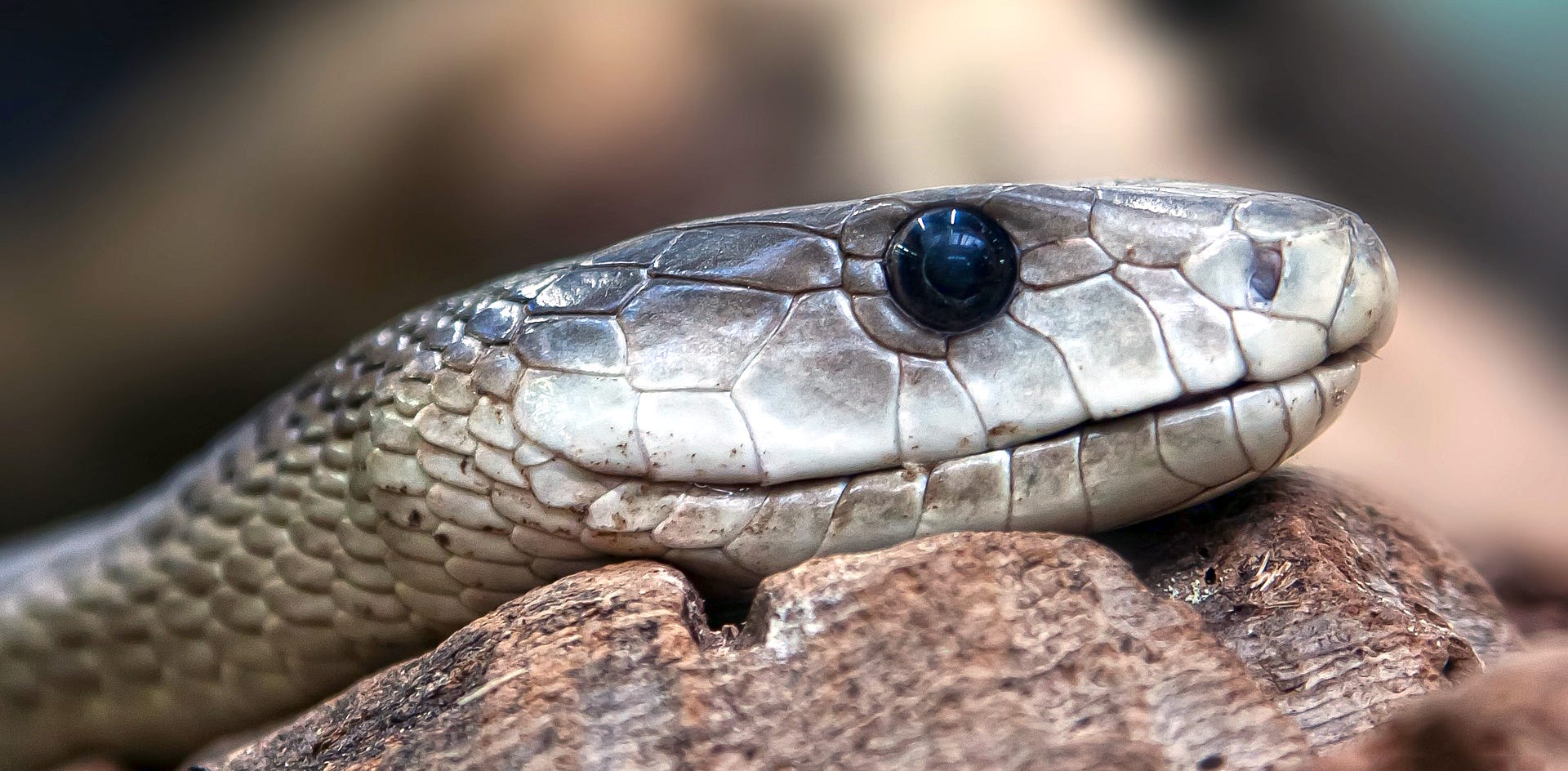
The Black Mamba is a highly venomous snake. Exceeding 2 m (6 ft 7 in) in length, it is the second-longest such snake after the famed King Cobra (Ophiophagus hannah). The Black Mamba is both terrestrial and arboreal, and feeds on small mammals like rodents and birds. Bites to humans can be fatal within hours unless the appropriate antivenom is administered.
Dendroaspis polylepis | IUCN - Least Concern (LC)
5. Deathstalker Scorpion
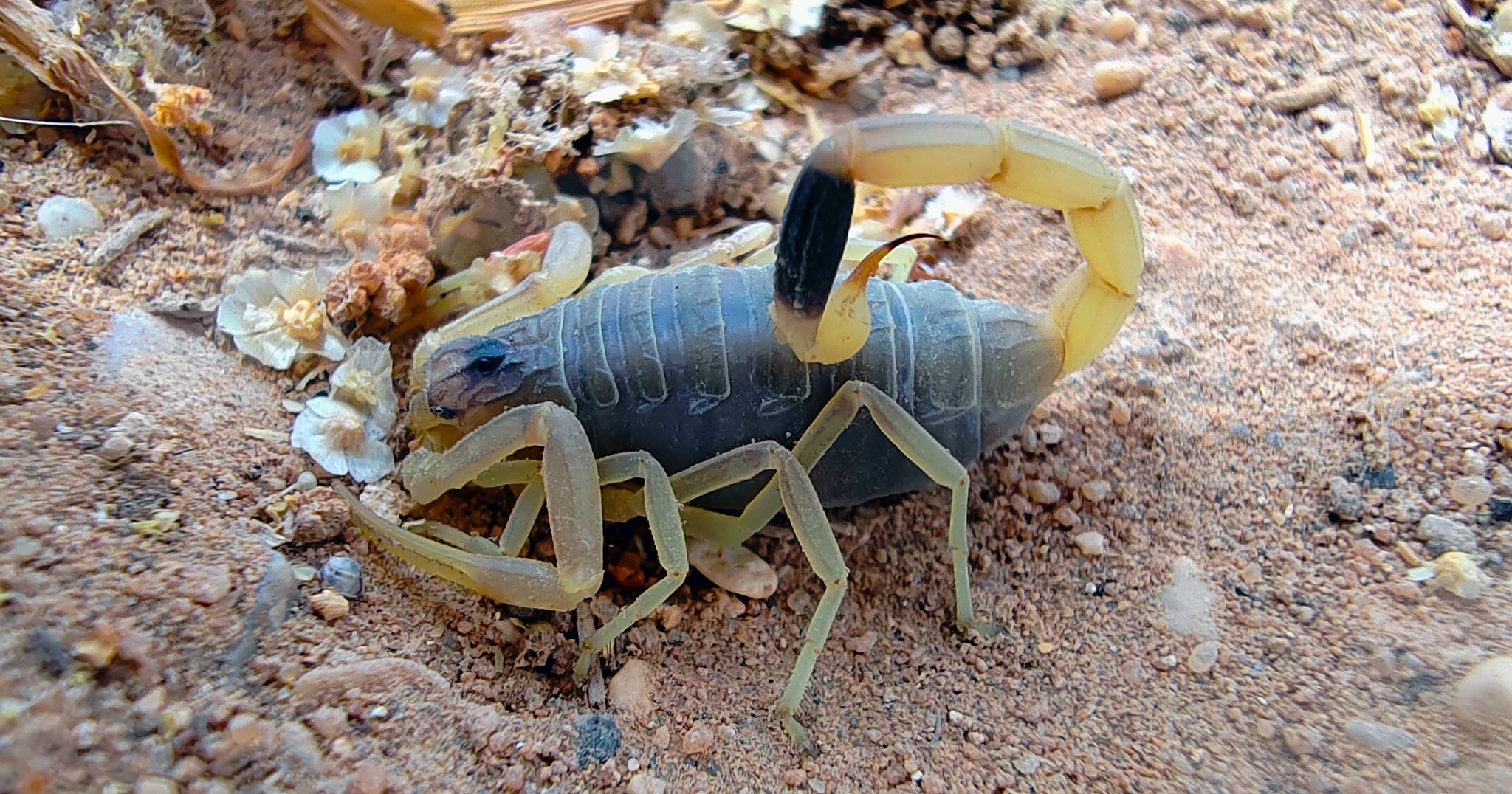
The Deathstalker Scorpion is one of the most dangerous species of scorpion in the world. Its potent venom contains a powerful mixture of neurotoxins which produce an extremely painful response in humans. A bite is not typically fatal in healthy people, but can be in children, the elderly, or those with underlying conditions.
Leiurus quinquestriatus | IUCN - Not Evaluated (NE)
Get Earthview in your inbox:
And consider a paid subscription to access premium content and support the work we do!
4. Desert Monitor
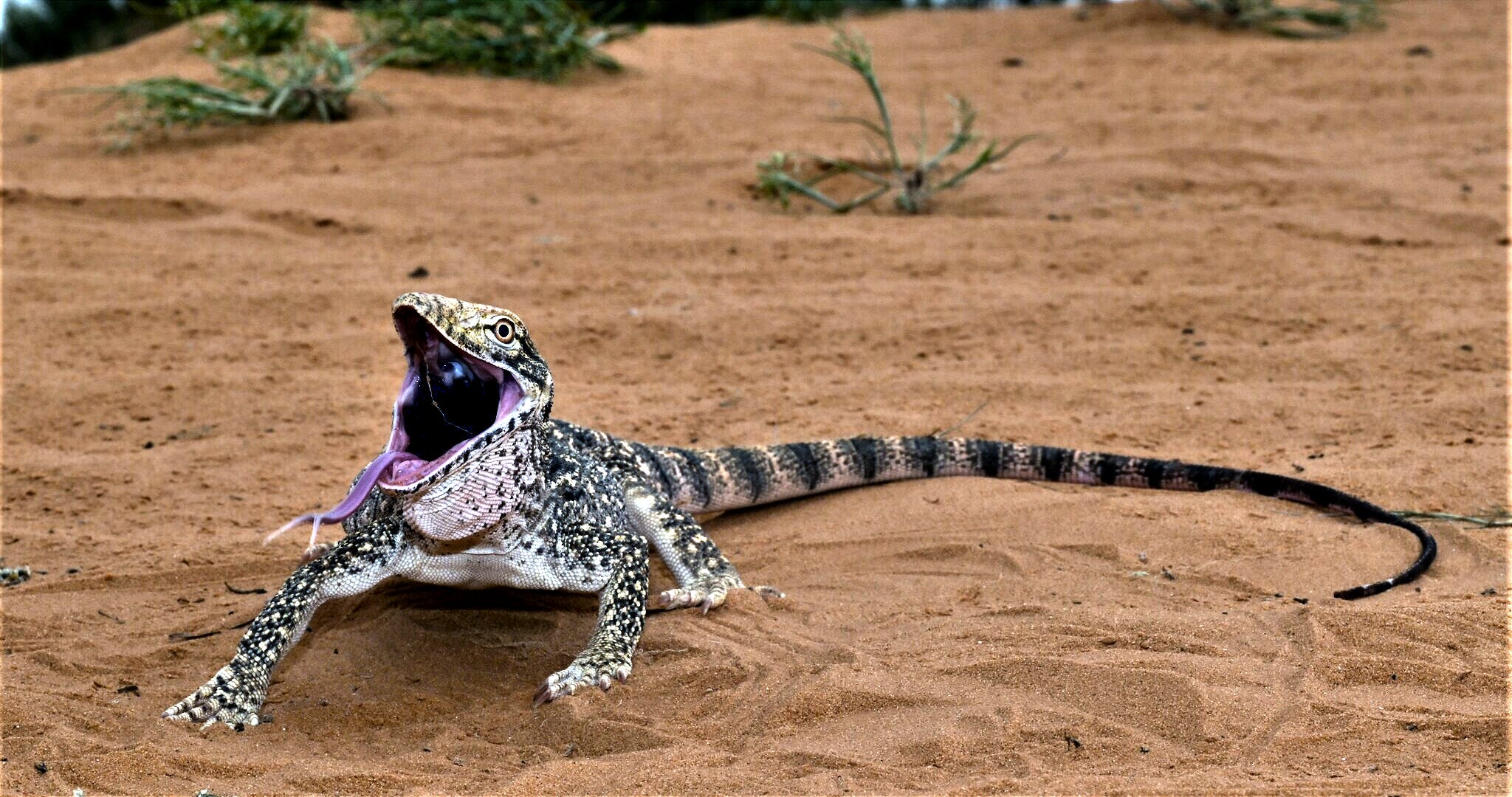
The Desert Monitor is a type of monitor lizard native to Africa, including the Sahel. They are large lizards, averaging around 1 m (3.3 ft) in length and reaching up to 2 m (6.6 ft). Unable to tolerate cold temperatures, they hibernate from September to April. Upon awakening, they gorge on mice, eggs, and fish.
Varanus griseus | IUCN - Least Concern (LC)
3. Dama Gazelle
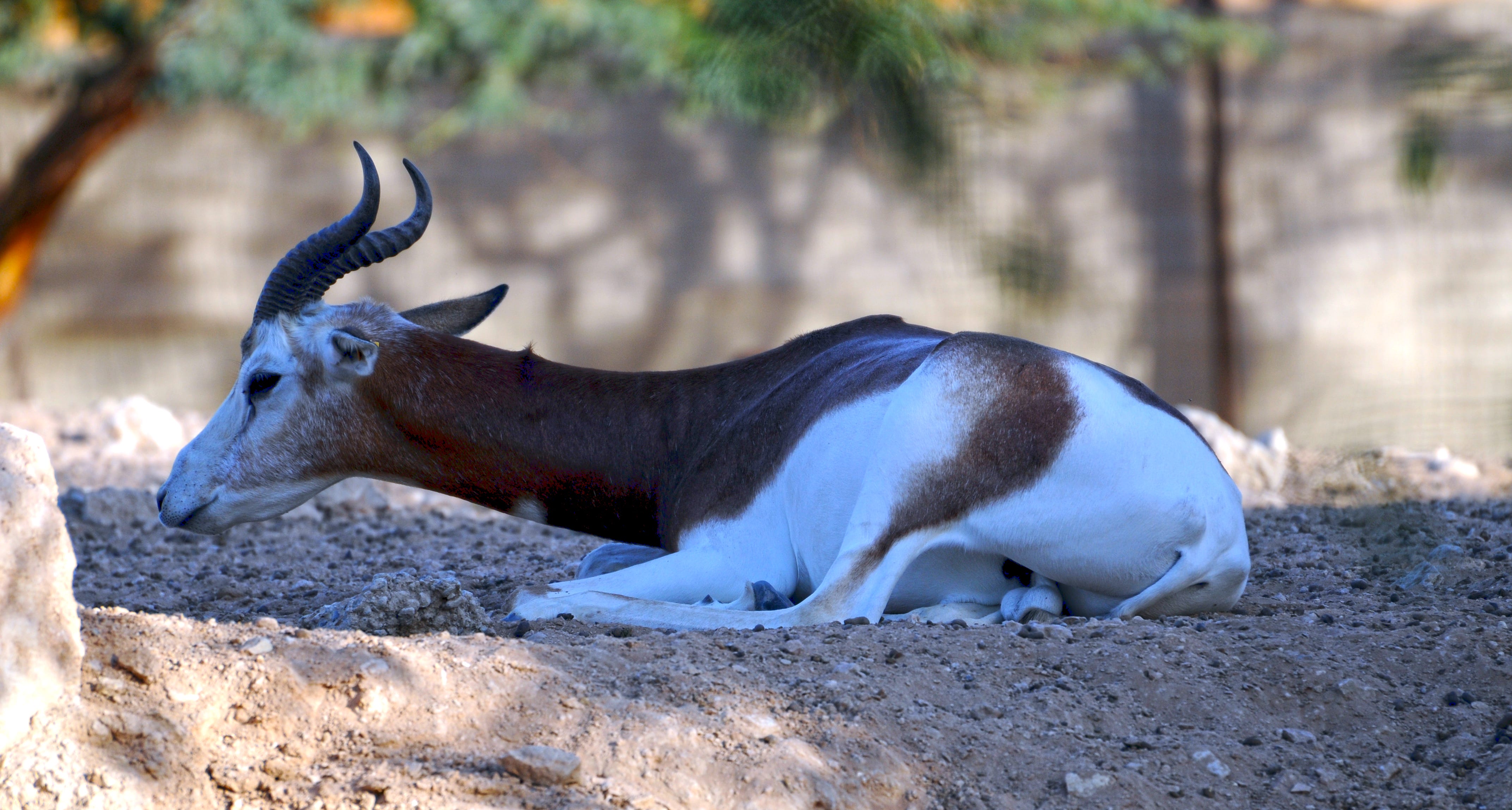
The gorgeous Dama Gazelle is endemic to the Sahel. The largest gazelle species in the world, it can weigh up to 75 kg (165 lbs). As herbivores, they graze on shrubs, herbs, grasses and the tender leaves of acacia trees. They are bred in captivity in foreign zoos and are popular with the zoo-going public.
Nanger dama | IUCN - Critically Endangered (CR)
2. Honey Badger
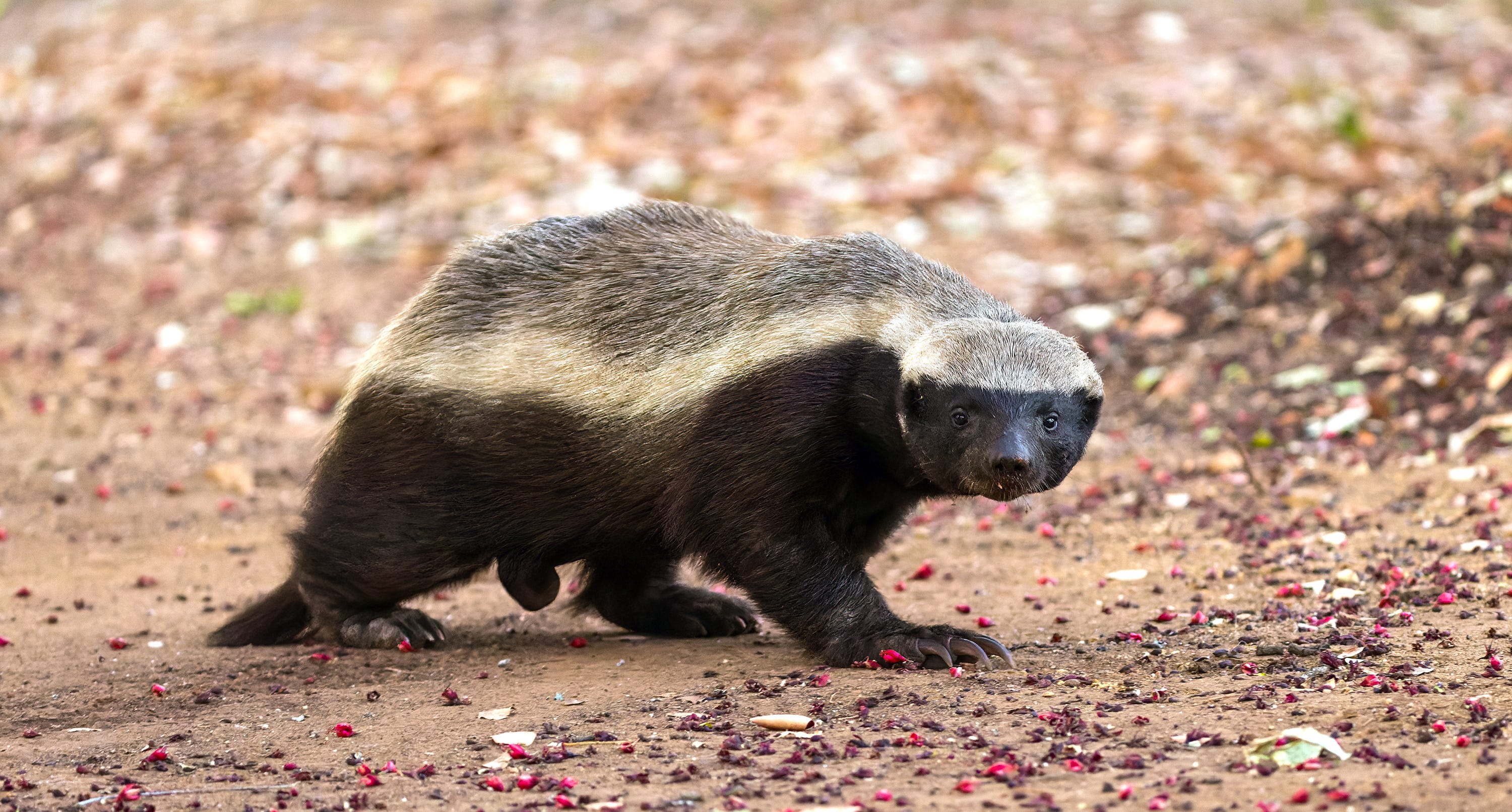
The Honey Badger is a mustelid native to most of Africa. A vicious predator, it is known to never back down from a fight - even repelling much larger animals like lions and hyenas. It does indeed raid beehives, devouring both honey and larvae. But it will eat almost anything - berries, roots, frogs, tortoises, lizards, rodents, birds, eggs, domestic animals like sheep or chickens, and even black mambas.
Mellivora capensis | IUCN - Least Concern (LC)
1. Patas Monkey
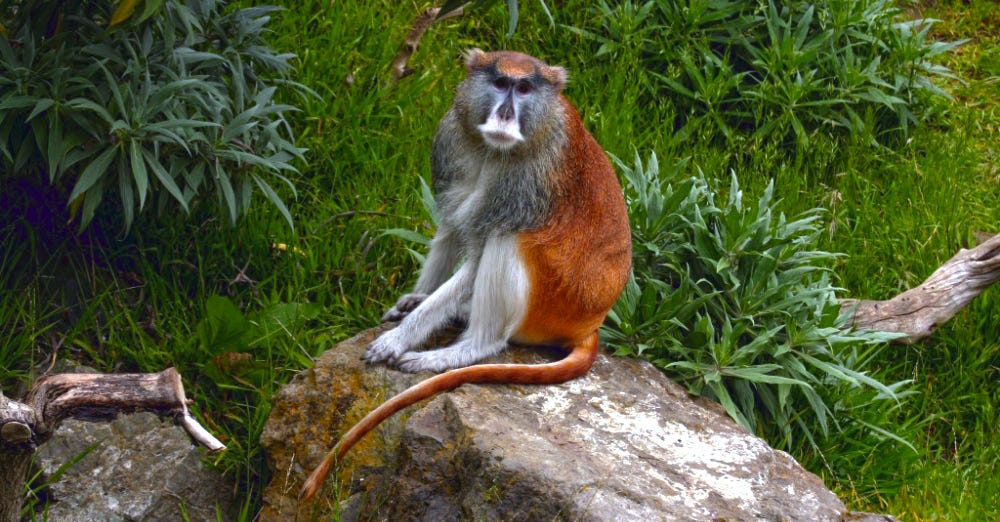
The Patas Monkey is a ground-dwelling monkey native to the Sahel and surrounding regions. They live in groups of up to 60 individuals containing just one adult male - until breeding season, when single males arrive to mate. They prefer dry, open woodland and travel the longest daily distances relative to their body size among primates.
Erythrocebus patas | IUCN - Near Threatened (NT)
Get Earthview in your inbox:
And consider a paid subscription to access premium content and support the work we do!