


As individuals, we have limited power over climate change, which is a problem that can only be solved by governments at the national and international levels. However, homeowners have a bit more power than most, as around 20% of global carbon emissions come from residential buildings.
Reducing your home’s emissions can make a small but meaningful difference in the race to net-zero. And the proposed solutions typically come with additional co-benefits. Here are eight features of a low-carbon home:
8. Passive Solar Design

If you are designing your own home from scratch, integrating a passive solar design can significantly cut both emissions and your energy bill. Orienting a large room of your home towards the equator, for example, allows more heat from the sun into your home in winter. By placing the roof at just the right height, you can block the sun from doing the same thing in summer, when it is higher in the sky.
7. Solar Hot Water
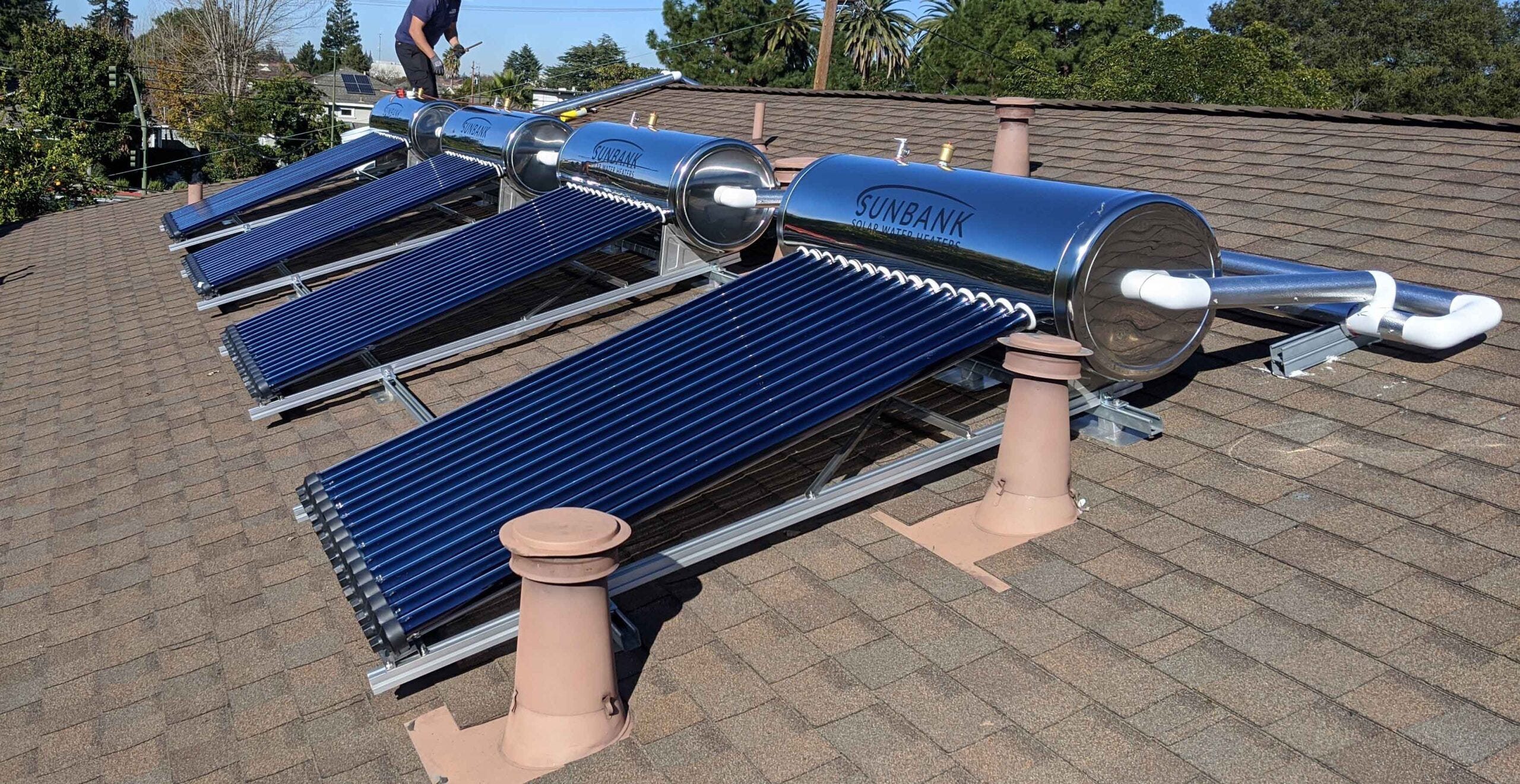
Solar hot water systems work differently than solar panels. Rather than generating electricity, they use the sun’s heat to directly heat water and then store this heated water in insulated tanks. Solar hot water systems are common in off-grid cabins, where they can provide a hot shower in a place with no electricity or gas connection. But increasingly they are being integrated into homes as a way to save energy and reduce emissions.
6. Effective Insulation
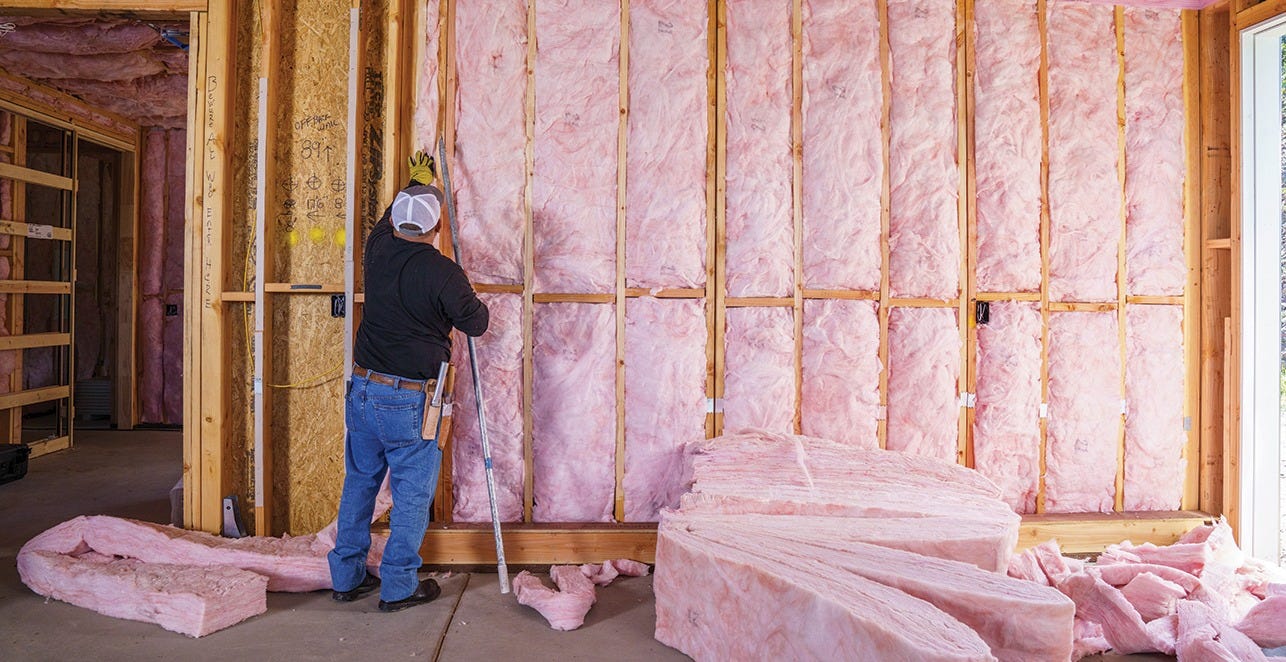
Properly insulating a home to increase the energy efficiency of its heating and cooling system has been the backbone of emissions reduction efforts for decades. Although it’s not as sexy as solar panels, batteries, or EV chargers - upgrading a residence’s insulation remains a vital first step on the path to net-zero, particularly in older homes.
5. Electric Appliances
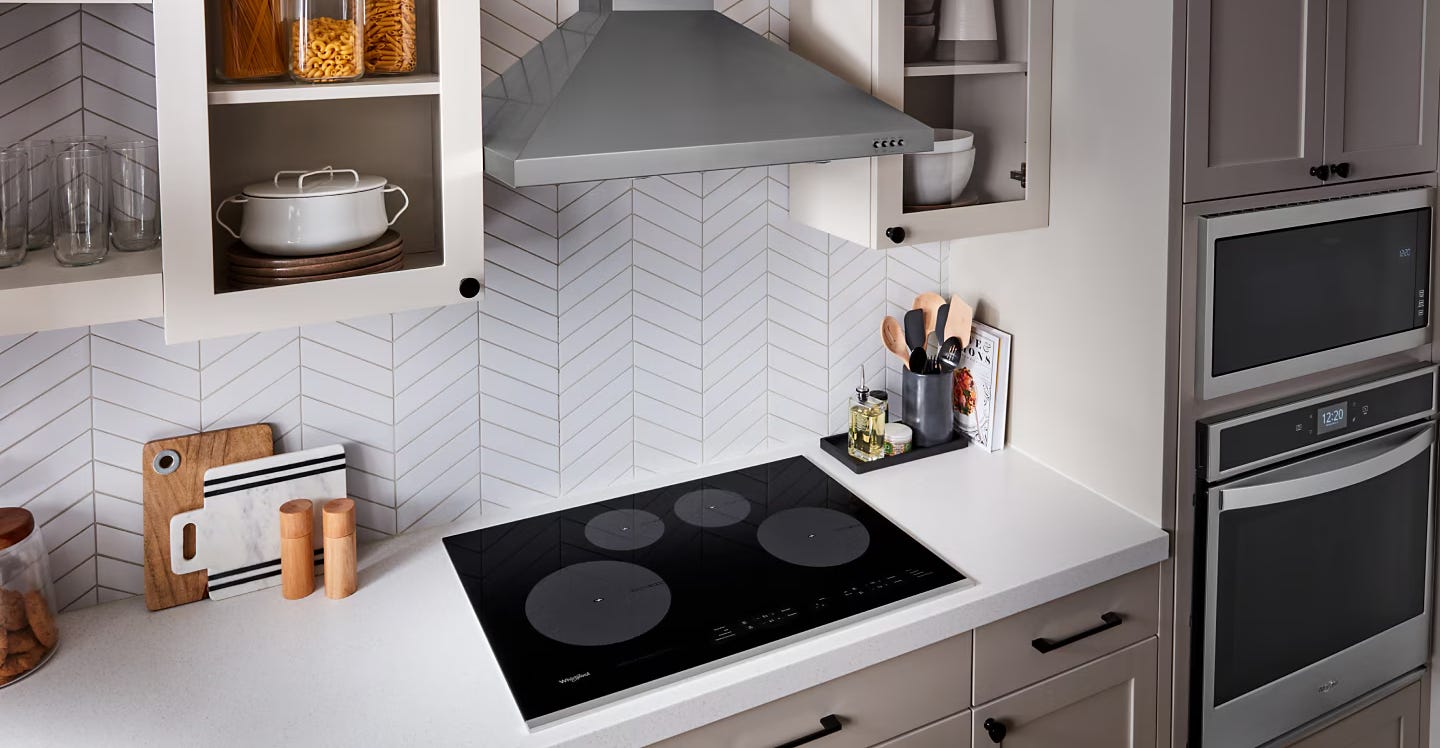
Many large household appliances like stoves, ovens, and clothes dryers can run either on electricity or fossil gas. Gas versions are common in places with abundant gas supply, like North America, Australia, the U.K., and the Netherlands. Unfortunately, they directly contribute to climate change by combusting a fossil fuel.
Electric alternatives like induction stoves are cleaner and more efficient. Moreover, they are increasingly cheaper than their antiquated gas equivalents.
Get Earthview in your inbox:
And consider a paid subscription to access premium content and support the work we do!
4. Low-Carbon Materials
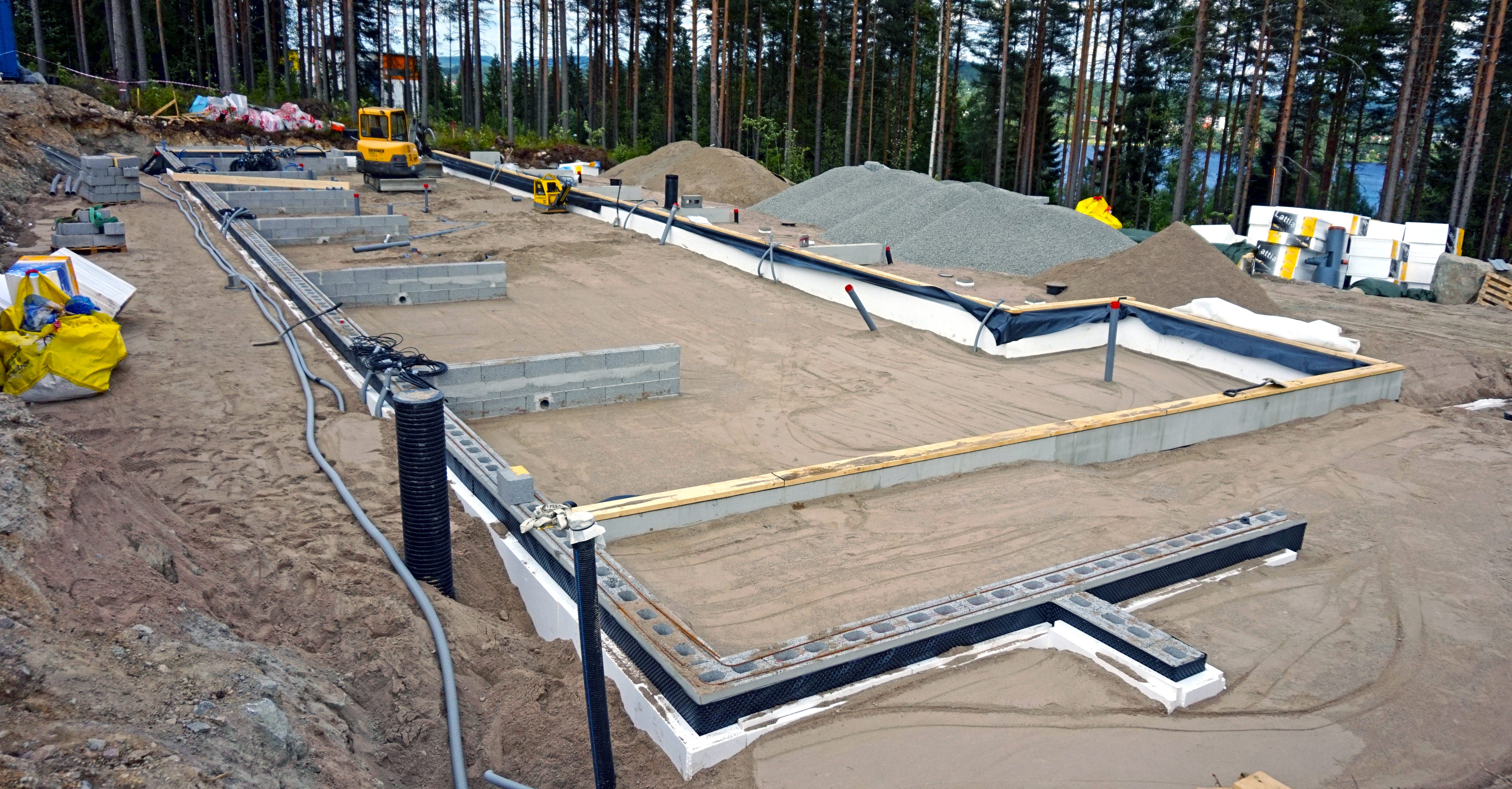
Two primary inputs in new home construction - cement and steel - are significant contributors to climate change. In fact, in a modern, energy-efficient home these “embedded emissions” can make up to 50% or more of the total carbon footprint. It is possible to make these materials in more environmentally friendly ways. Finding “green” steel and concrete for use in residential construction is extremely challenging today. But both will become standard features in new homes as lower-carbon alternatives are rolled out.
3. EV Charging
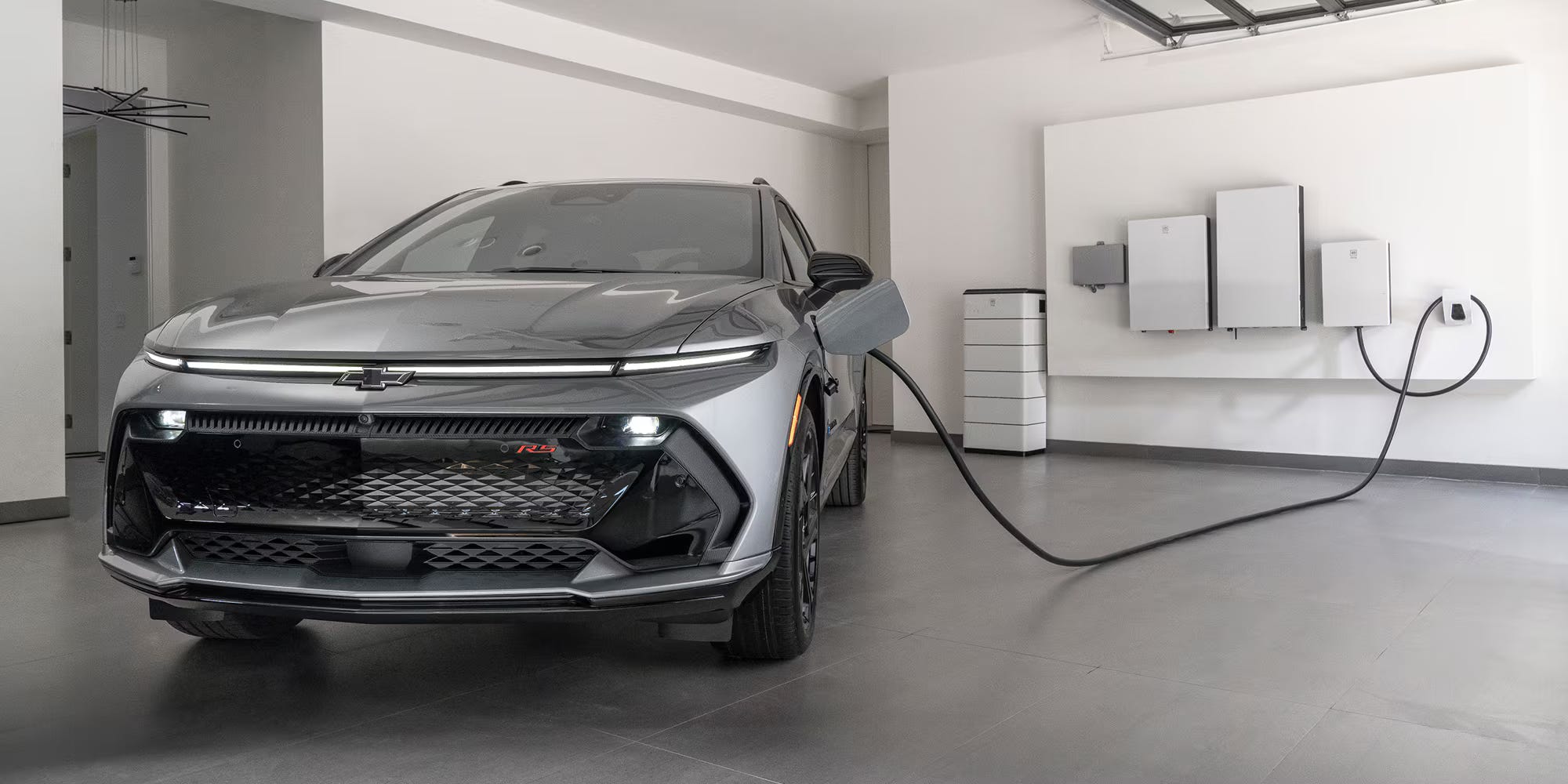
No low-carbon home is complete without an electric vehicle (EV) charger. In the developed world, vehicle emissions make up about a quarter of a typical person’s carbon footprint. That footprint is drastically reduced by driving an EV, which most people choose to charge at home because it is cheaper and more convenient than visiting a charging station. Home EV chargers become even better for the environment when paired with a solar system, which fills your car with homegrown zero-carbon electrons.
2. Heat Pumps
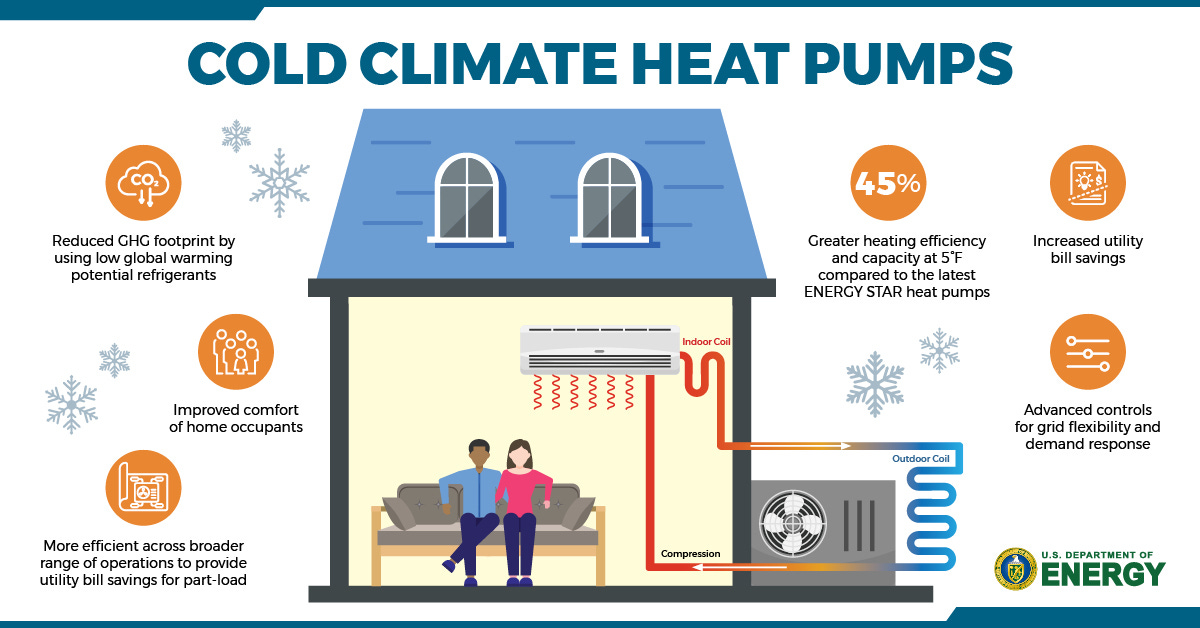
Heat pumps are essentially air conditioners that can run in reverse and both heat and cool your home. They are far cleaner and more efficient than standard furnaces or boilers that run on fossil gas. Heat pumps are generally more expensive to purchase than gas-fired systems, but cheaper to run - paying you back over time. They also have the safety benefits of not being able to cause a gas leak or carbon monoxide poisoning.
1. Solar + Storage System
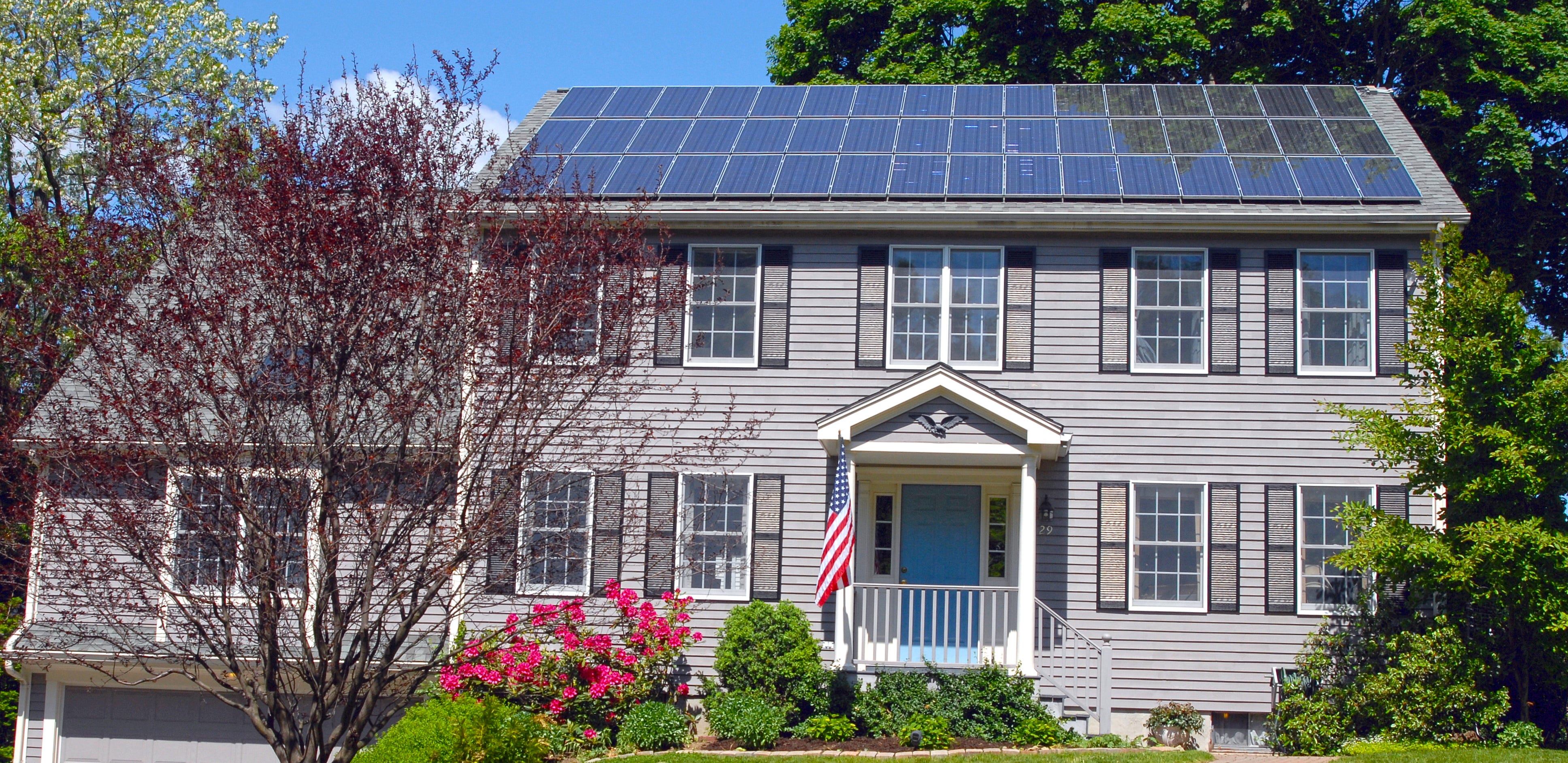
What’s better than generating your own carbon-free energy at home? A residential solar-plus-battery storage system can free you from a dirty, centralized electric grid. A large enough system can - in some places - generate all or nearly all the electricity your home requires. A smaller system can reduce your carbon impact while also shaving your electric bill and providing backup power in an emergency.
Get Earthview in your inbox:
And consider a paid subscription to access premium content and support the work we do!