


Offshore wind energy is booming, particularly in Europe and China. These behemoth projects use giant turbines taller than the Gherkin in London or the Space Needle in Seattle to generate clean electricity.
The largest offshore wind farm in the world is Hornsea Project Two in the United Kingdom, which has 165 such turbines and a combined capacity of 1.4 GW.
The industry’s success is no surprise, as the technology is highly advantageous. Here are the top eight benefits of offshore wind energy:
8. Higher Wind Speeds
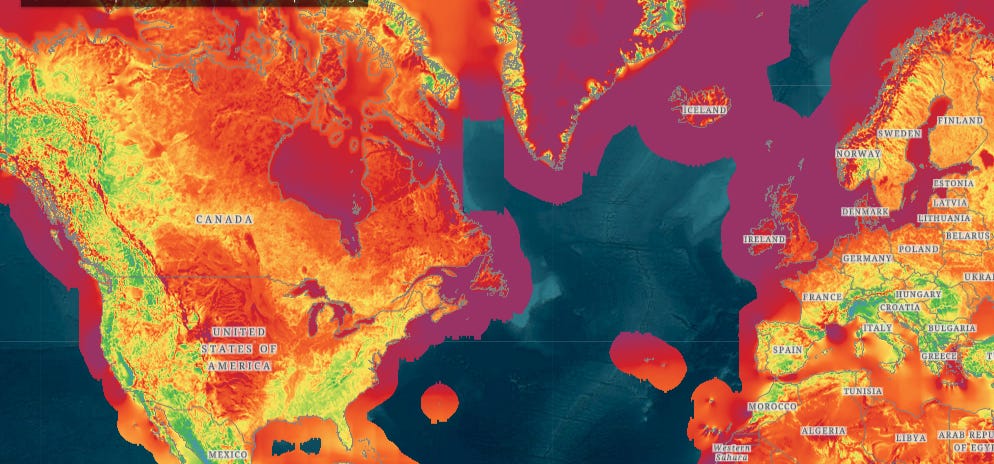
Winds are stronger in the ocean than they are on land, as the open sea lacks the physical barriers like trees, mountains, or buildings that disrupt airflow.
Average offshore wind speeds in the northeastern United States are up to 35% stronger than in the Midwest. Given that the power available in wind is proportional to the cube of wind speed - this means there is nearly twice as much energy offshore than onshore.1
7. Marine Protected Areas
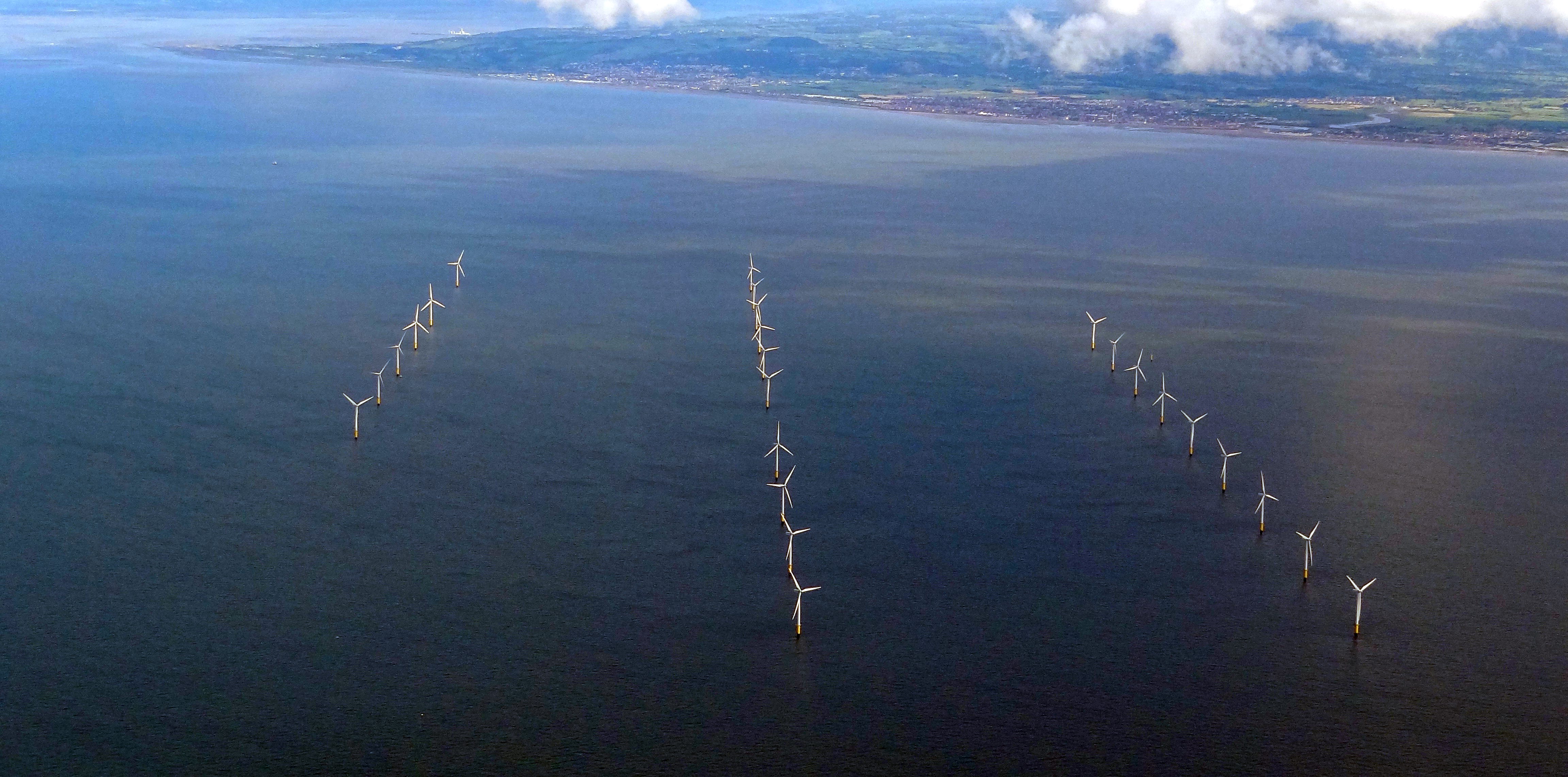
One overlooked benefit of offshore wind farms is that they effectively create de facto Marine Protected Areas (MPAs). Safety regulations typically either bar fishing within the boundaries of the wind farm altogether, or at least bar the most environmentally damaging fishing methods - trawling and dredging. Offshore wind farms are thus fish sanctuaries that help fish populations grow.2
Additionally, the turbine foundations themselves serve as habitat for marine wildlife. A single turbine can support up to four metric tonnes of shellfish.3
6. Proximity to Large Cities

Onshore wind resources are often located in remote, unpopulated areas like the Great Plains of the United States or the highlands of Scotland. This requires building long-distance electric transmission lines to reach population centers, which are expensive to build and are often held up for years by NIMBY concerns.
Offshore wind farms, by contrast, can be conveniently located near large coastal cities like London, New York, San Francisco, Sydney, Amsterdam, Washington D.C., and Tokyo. And building the requisite undersea transmission cables is relatively simple and cheap compared to overland alternatives.
5. Reduced Visual Impact
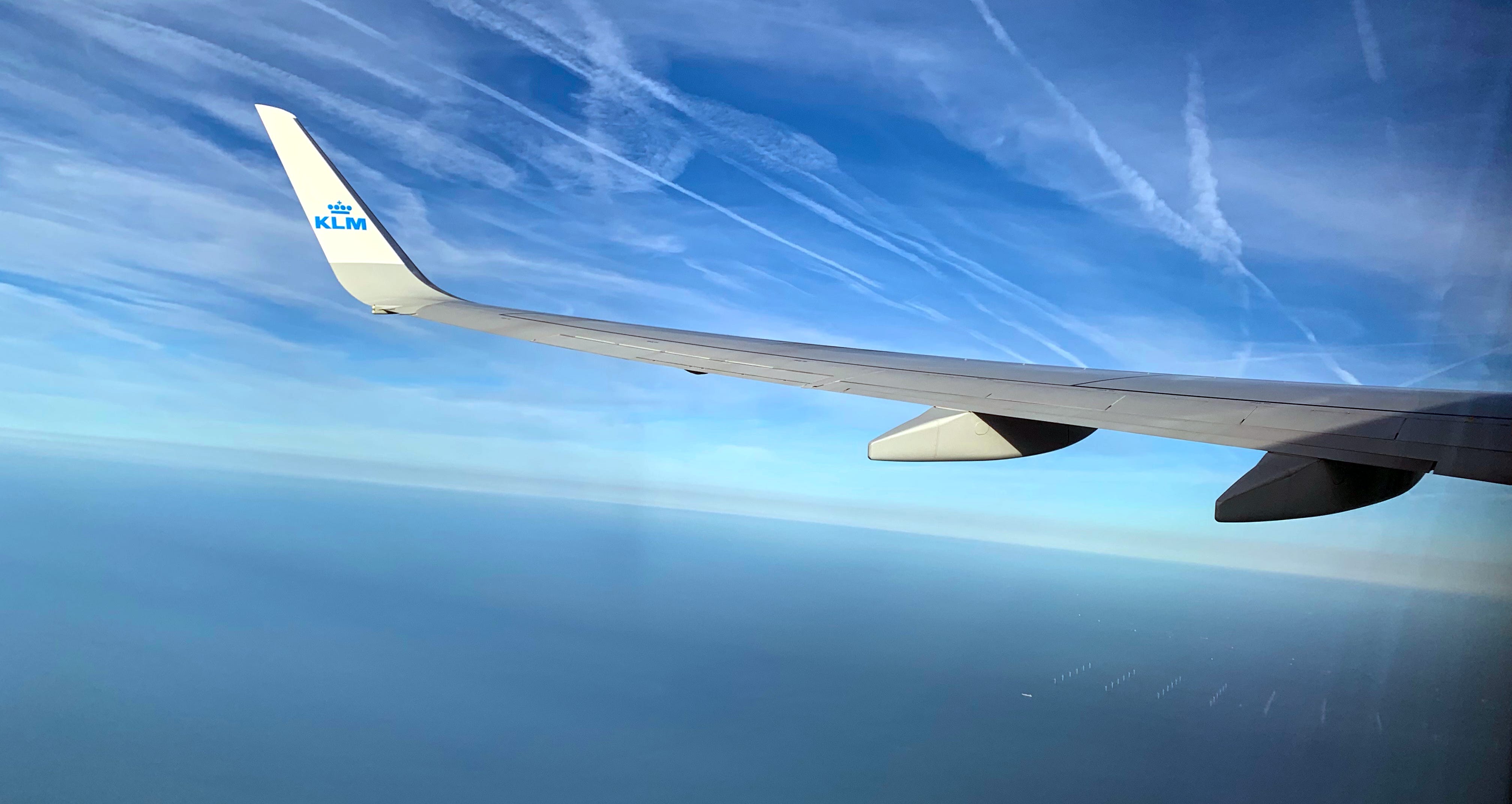
Tall, spinning steel structures like wind turbines undeniably create negative visual impacts. And as adherents to a movement built in part on admiration for the natural world, environmentalists should not dismiss outright the criticism that wind farms mar views of nature.
Offshore wind farms are usually situated so far offshore that they either cannot be seen or their visual impact is extremely minimal. Newer floating wind farms promise to move them even further from humanity’s ken. For most people, the only time they’ll see offshore wind farms is when they fly above them.
Get Earthview in your inbox:
And consider a paid subscription to access premium content and support the work we do!
4. Zero Land Competition
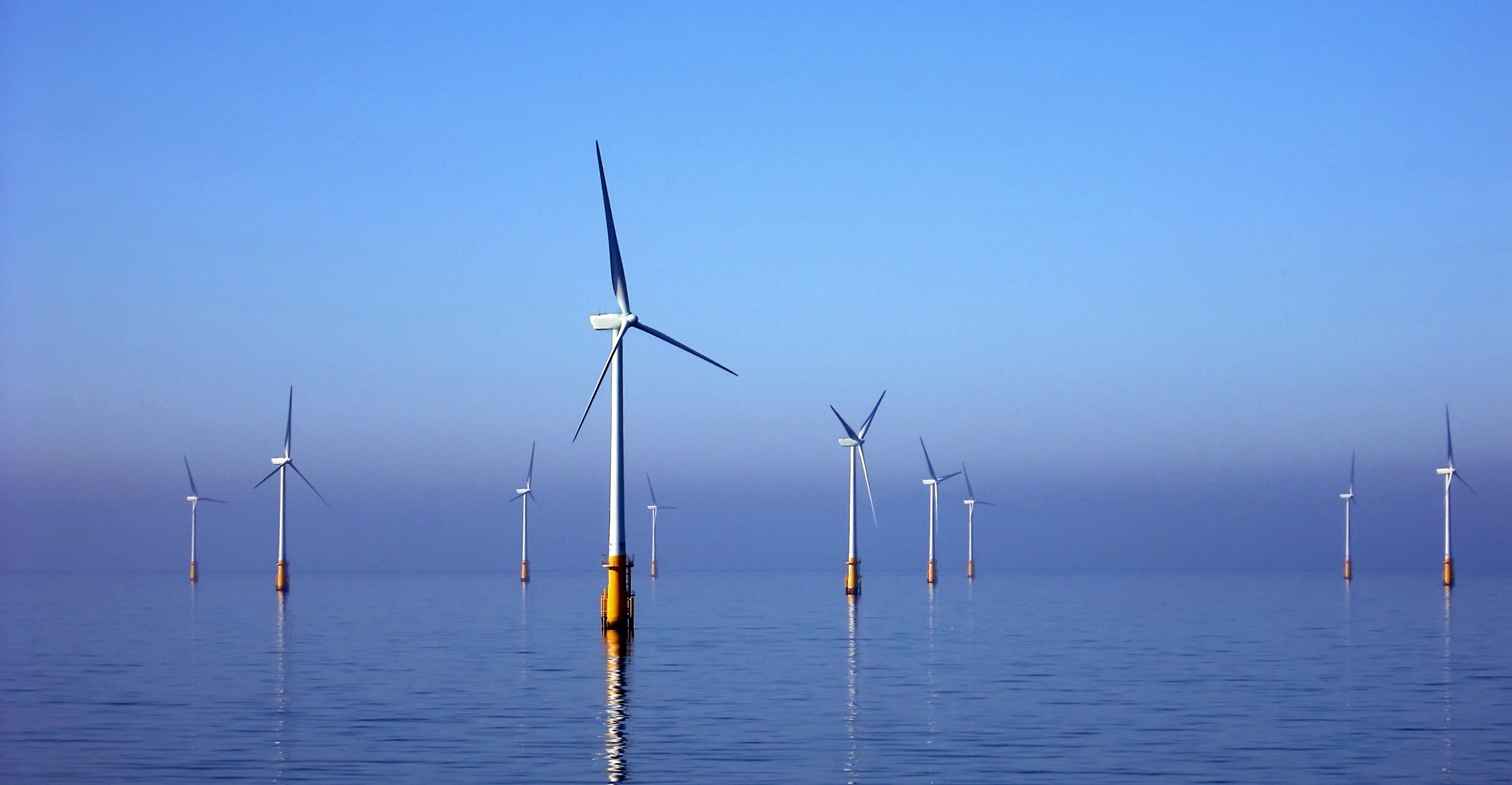
Concerns about wind farms competing for land are overblown, as land is generally not a scarce resource and wind farms can be dual-purposed (for instance, by placing turbines between cornfields). But there are some densely populated places - like Singapore, the Netherlands, or Taiwan - where land is genuinely hard to find.
Offshore wind, by definition, does not compete for land. It uses a relatively small amount of space within the other 70% of our planet.
3. Energy Independence
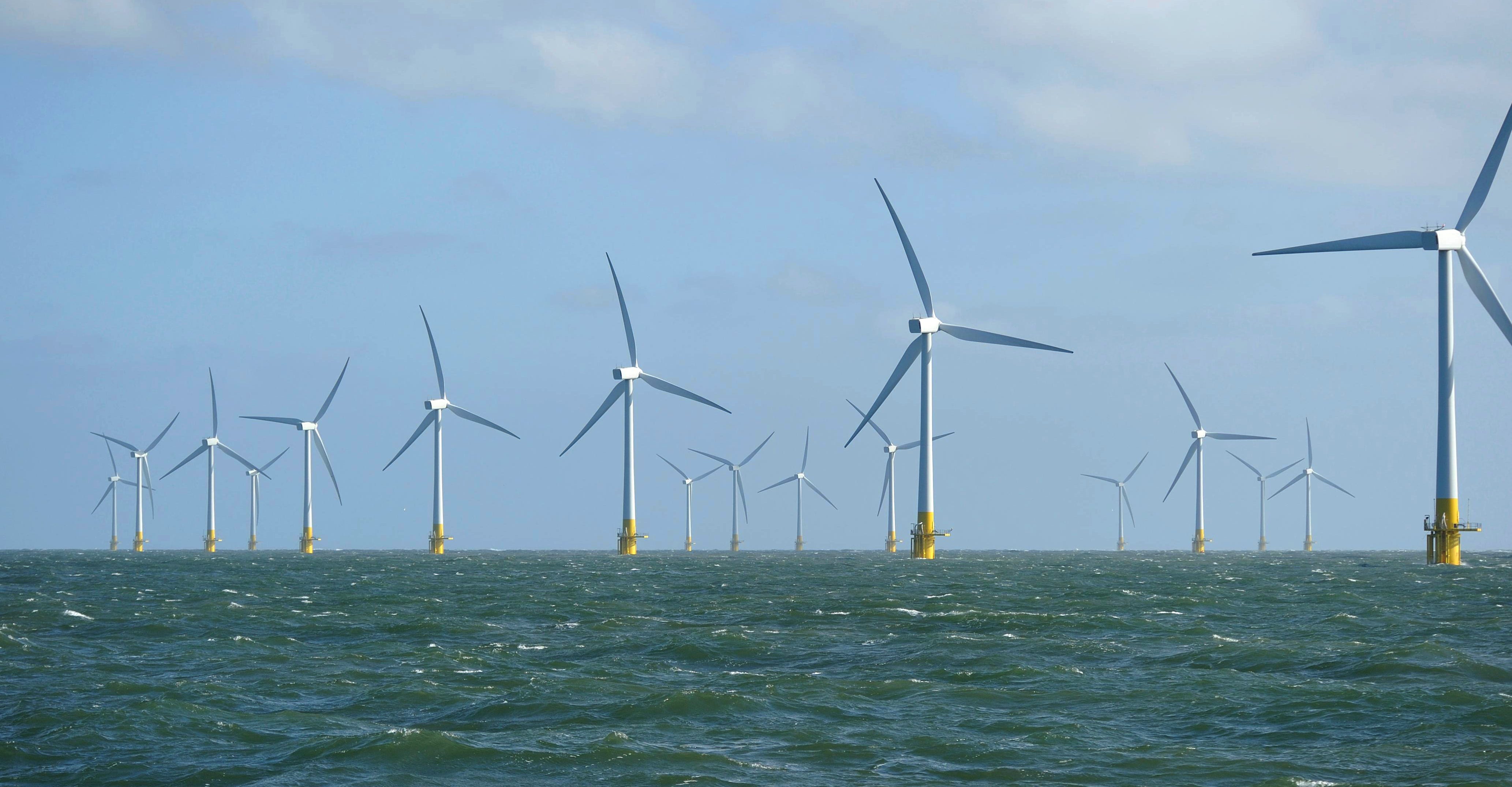
Offshore wind farms are almost always located within the territorial waters or Exclusive Economic Zones (EEZs) of the countries that build them and use their electricity. This is in stark contrast to energy resources like oil or fossil gas, which are often traded across borders - creating a risk of dependency.
Supply of electricity from offshore wind farms cannot be disrupted as easily by geopolitical events as, for example, fossil gas from Russia or oil from Venezuela.
2. High Capacity Factors
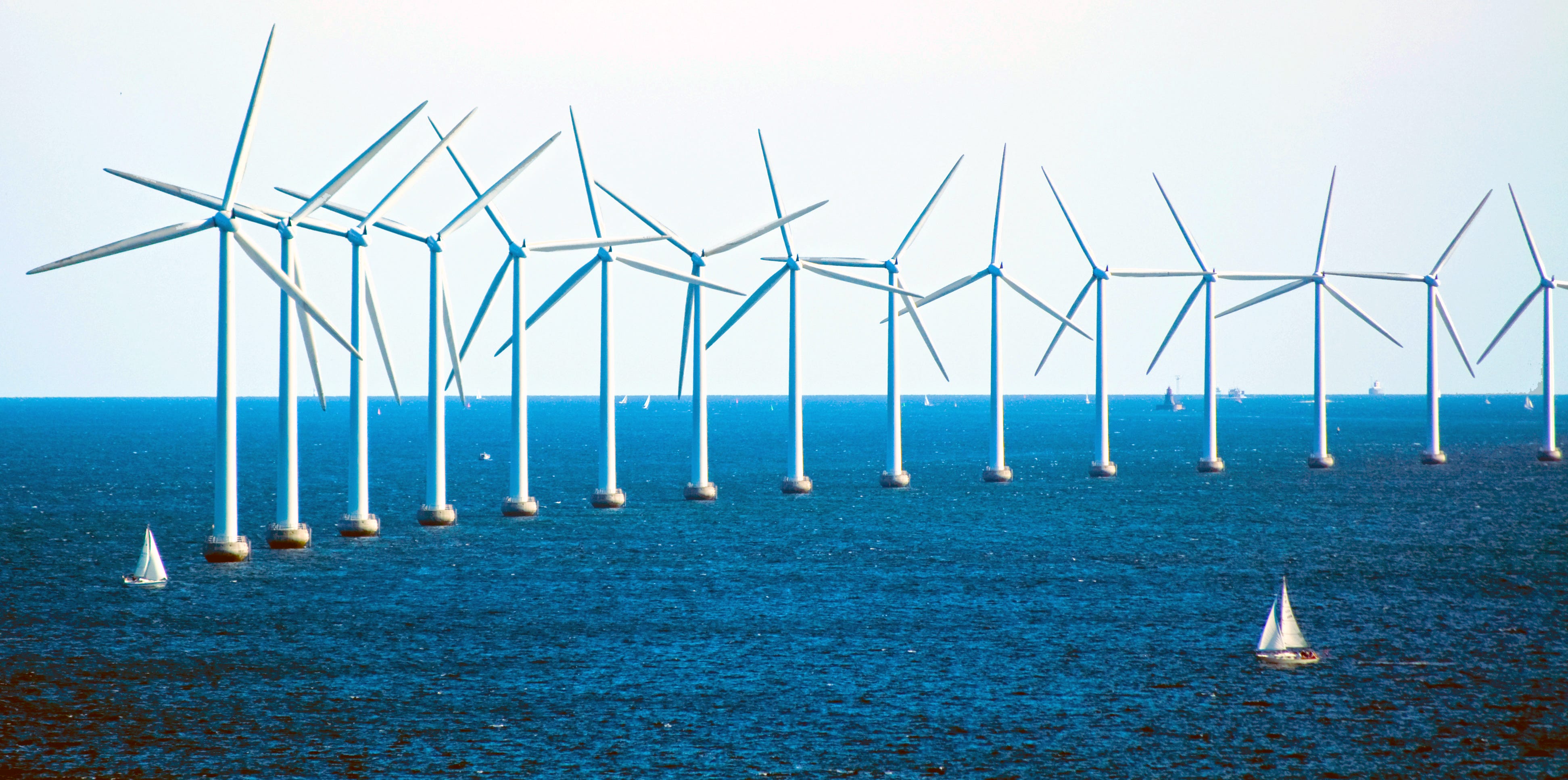
The sun doesn’t always shine, and the wind doesn’t always blow. This means that wind and solar energy only generate a certain percentage of the electricity they theoretically could if resources were available 24/7/365. This puts variable renewables at a disadvantage to fossil generation and nuclear, as their ‘capacity factors’ are lower.
Capacity factors for nuclear, for example, average around 90%. Coal and gas are typically around 40% to 60%. Solar ranges from 15% in cloudy places like the UK to 33% in sunny places like Australia. Onshore wind ranges from 25% to 35%.
Offshore wind has capacity factors of 40% to 50% or even higher. The more consistent generation of offshore wind farms relative to other variable renewables makes them more valuable to the grid.
1. Low Carbon Electricity
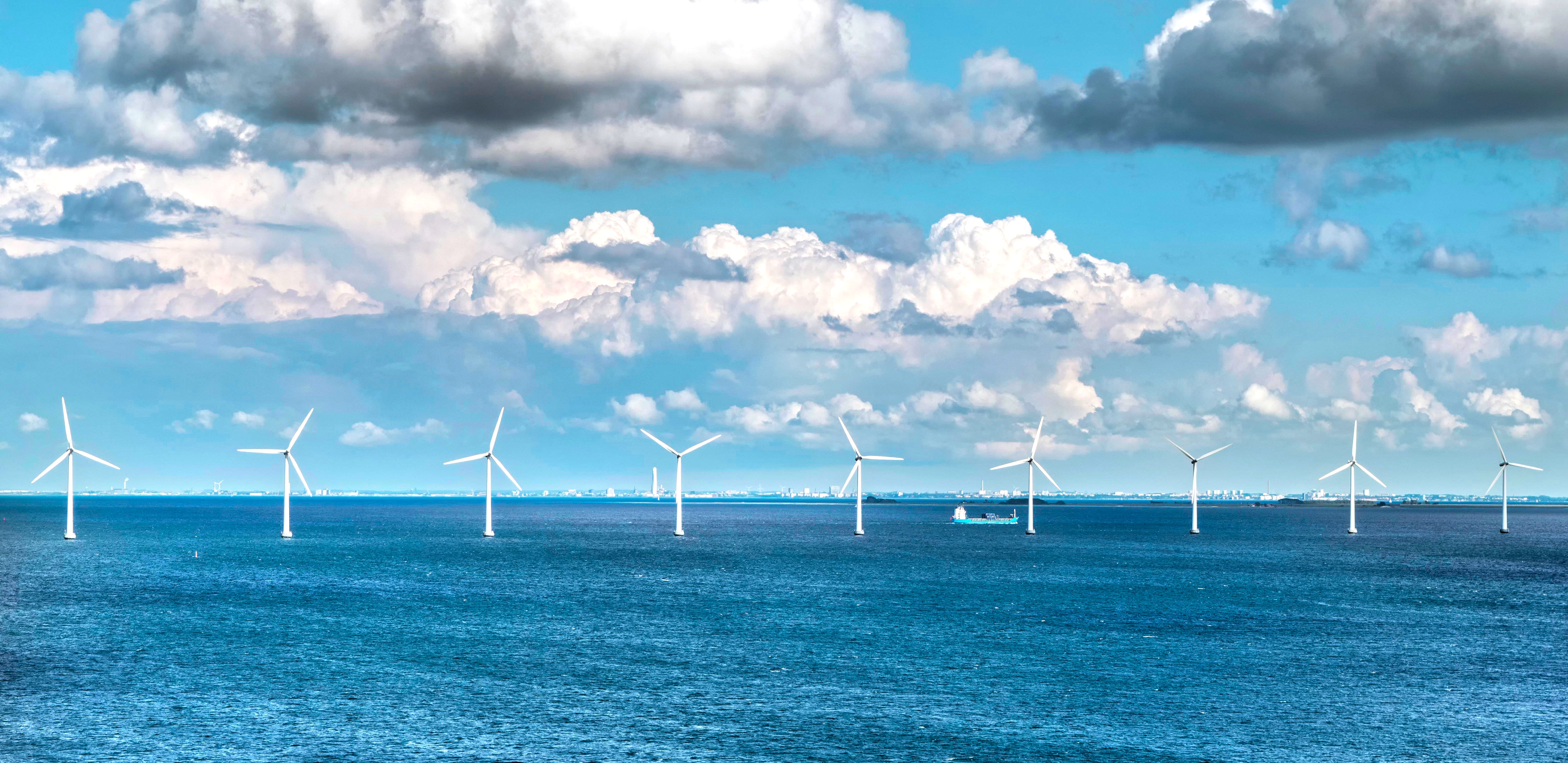
Offshore wind farms provide massive amounts of very low-carbon electricity. Despite using steel in their construction, they deliver electricity at between 12 and 35 kg of CO2 per MWh, compared to 1,001 kg/MWh for coal and 486 kg/MWh for fossil gas.4
The development of low-carbon green steel will lower the emissions profile of offshore wind even further. In a world where the impacts of climate change are already being felt, offshore wind farms are one of humanity’s most important tools for creating an emissions-free future.
Get Earthview in your inbox:
And consider a paid subscription to access premium content and support the work we do!