


Environmental destruction is often associated with heavy industries like coal, steel, oil, gas, and petrochemicals. But the clothing industry – despite its softer touch – causes just as much environmental damage.
Here are the seven worst environmental impacts of the fashion industry:
7. Deforestation
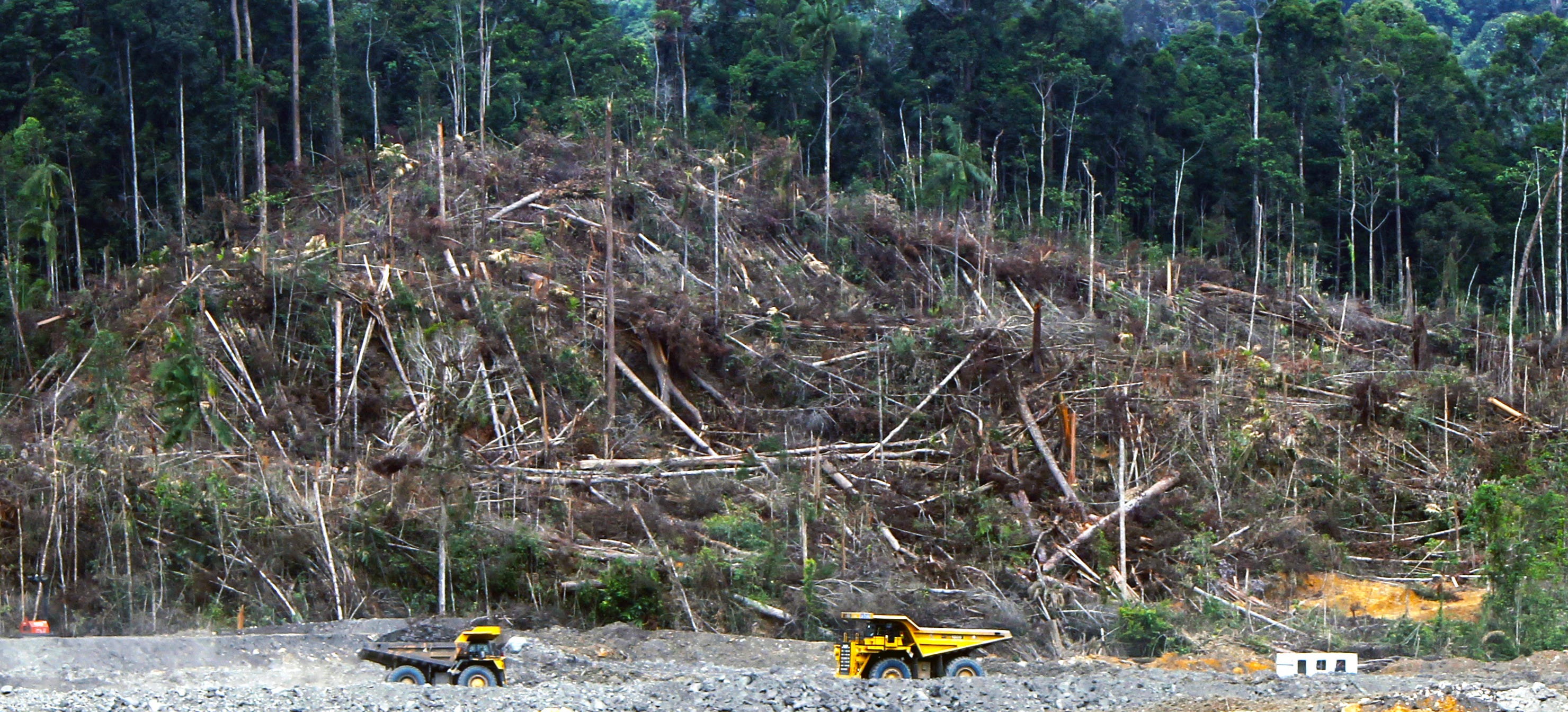
Viscose is a common semi-synthetic fiber used in clothing for its affordability and silky, draping texture. Unfortunately, viscose production is terrible for the environment. 200 to 300 million trees a year are logged to be turned into viscose and other Man-Made Cellulosic Fibers (MMCFs), which also include rayon, modal, and lyocell.1 Additionally, toxic chemicals are used to break down the wood pulp and transform it into fibers.
Attempts are being made to green the viscose industry. Sustainable forestry practices are being adopted. Bamboo is increasingly used as a feedstock. And new processing techniques are being developed that require fewer, less toxic solvents.
6. Water Consumption

Cotton is one of the most water-intensive crops in the world, and it thrives in relatively arid regions where water is already scarce. It takes around 2,700 l (713 gal) of water to make enough cotton for a single T-shirt, and most of this comes from irrigation.
The most notable casualty of the cotton industry is the Aral Sea. The third-largest lake in the world as recently as the 1960s, it no longer exists due to its water being diverted for Soviet cotton farms. Organic, rain-fed cotton is the best option for the environment.
5. Wastewater Pollution

The cotton industry is the second-largest polluter of water globally, after agriculture. Its cultivation uses enormous amounts of pesticides, which run off into streams and rivers, leach into the ground, and drift into the atmosphere. Synthetic dyes used to color cotton can also contain heavy metals like lead, chromium, cadmium, or mercury. Formaldehyde and PFAS are often used to treat cotton fabric to make it water-repellent or shrink-resistant.
Get Earthview in your inbox:
And consider a paid subscription to access premium content and support the work we do!
4. Land Degradation
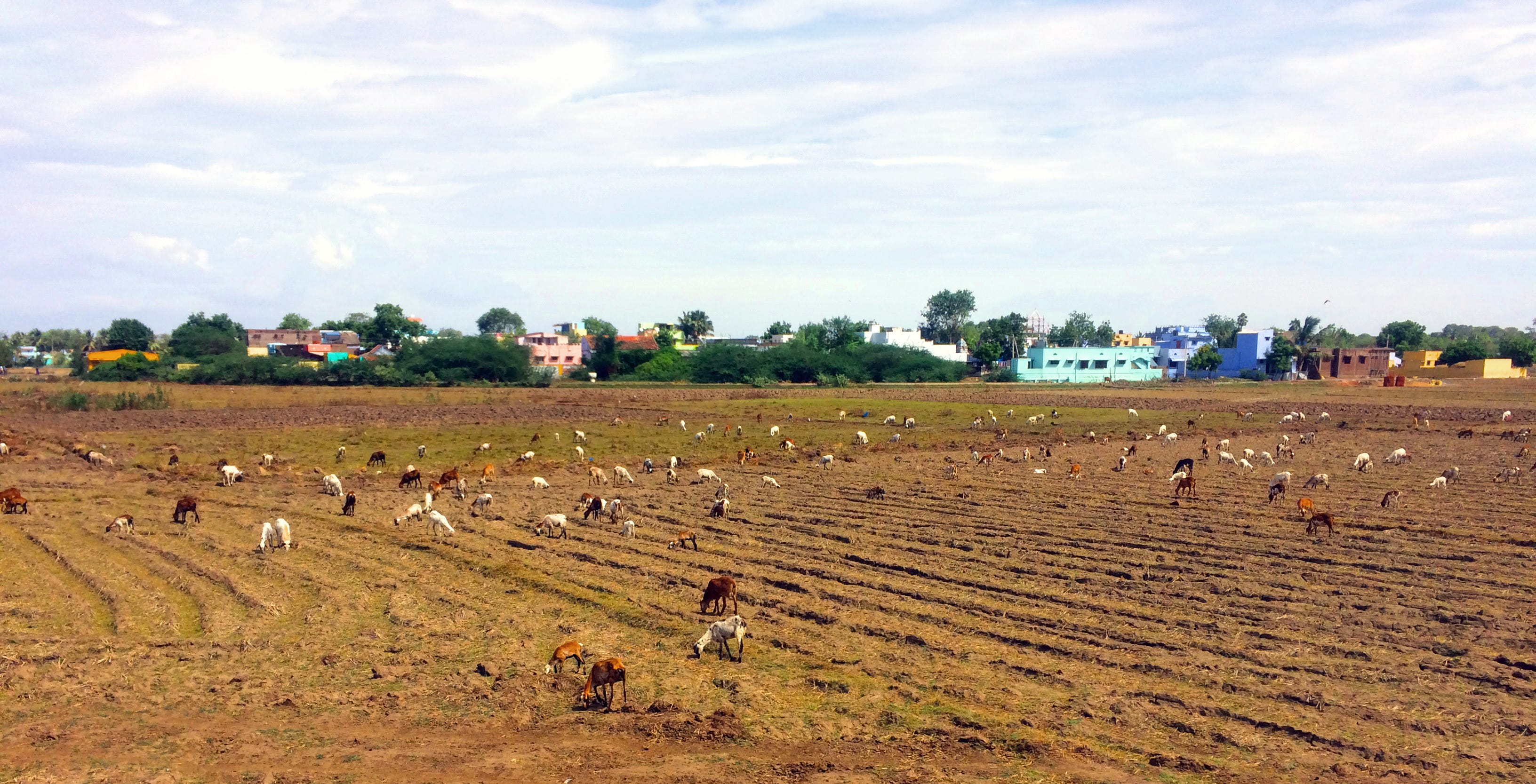
Cotton is an extremely demanding crop on soil, rapidly stripping it of nutrients and turning rich, fertile soil into a barren desert in a matter of decades. It doesn’t have to be this way. Regenerative, no-till farming that uses natural methods like cover cropping and crop rotation can prevent land degradation with fewer costs and higher yields.
3. Post-Consumer Waste
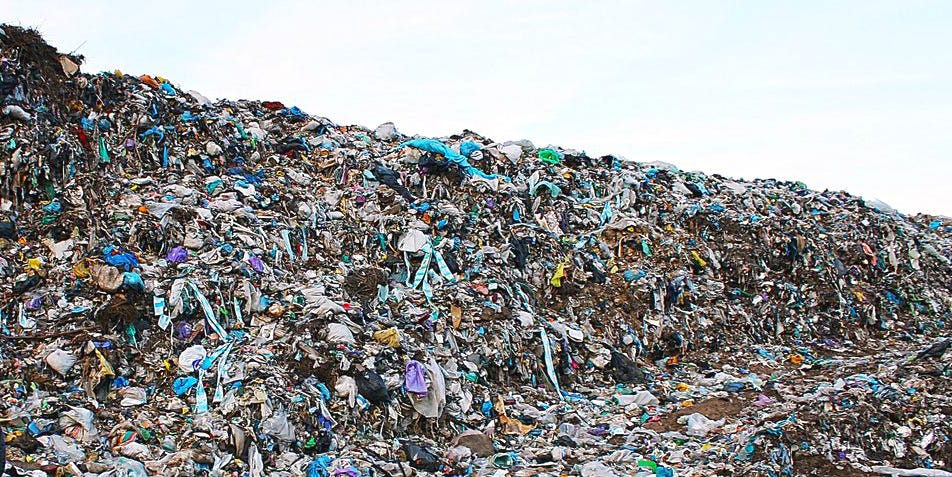
Most disused clothing ends up in landfills or incinerators, with only 12% to 15% being reused or recycled. This on its own is bad enough. But the problem is compounded by the extremely high velocity of garment replacement - the average piece of clothing is worn only seven times before being tossed out.
Incineration releases toxic fumes into the air. Synthetic fibers in landfills do not biodegrade and leach chemicals into the soil. Even much of the supposedly “reused” portion of fashion waste actually ends up being dumped in open-air pits in the developing world - which has a surplus of donated clothing it cannot use.
2. Microplastic Pollution

When we wear polyester clothing, we are literally wearing fossil fuels. Synthetic fibers like polyester, acrylic, and spandex are essentially specialized plastics melted down and spun into strands. Like all plastics, they shed tiny microplastic particles over time. This microplastic pollution ends up contaminating the environment and has been found in human tissue.
Of particular concern are microplastics that leach off clothing inside washing machines, later flushed into rivers and subsequently the ocean. Humans also inhale microplastics from our clothing when we breathe, for example, when we sleep in polyester pajamas.
1. Carbon Emissions
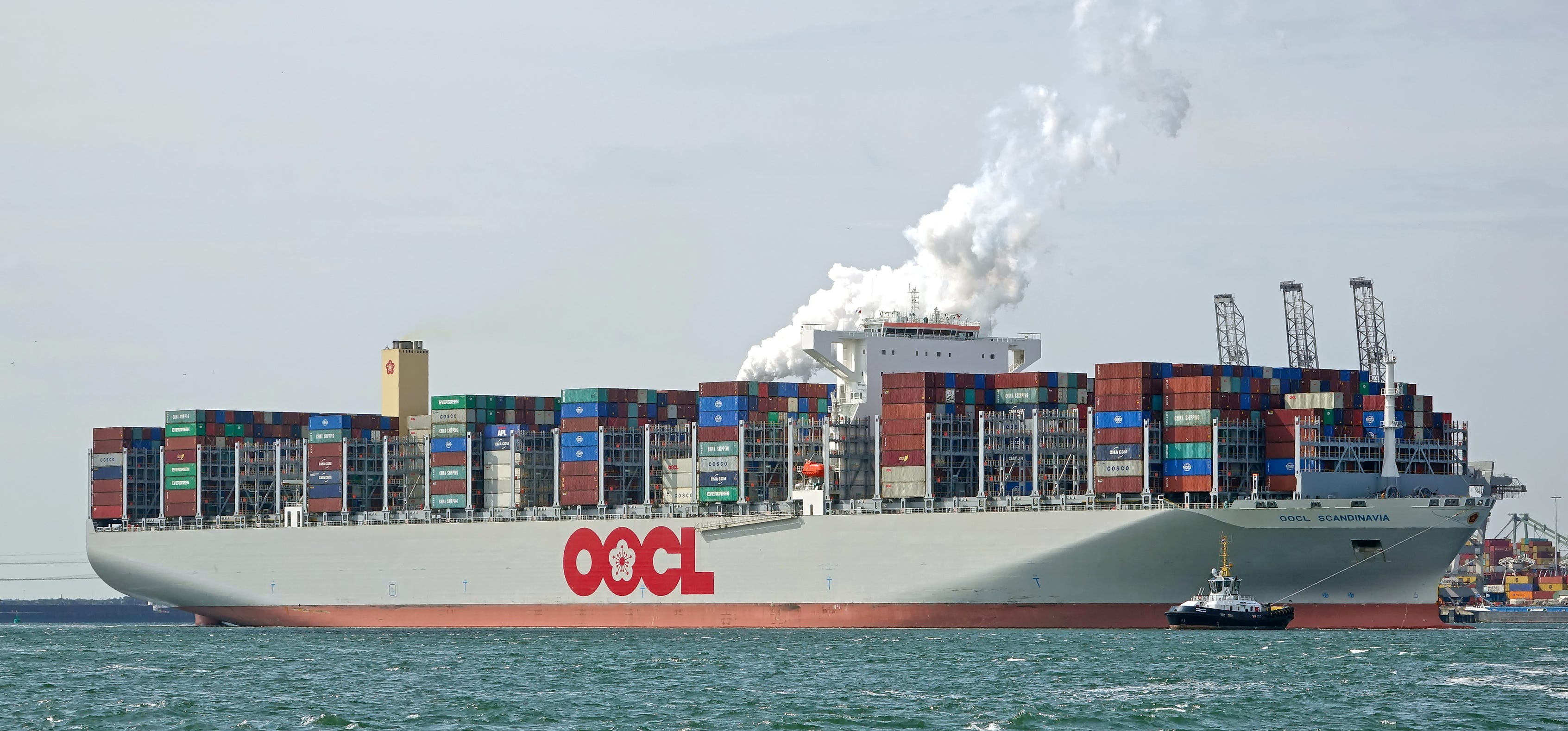
The fashion industry has a surprisingly large effect on climate change. It is estimated that clothing generates 8% - 10% of carbon emissions. The production of synthetic fibers and the dyeing process are energy intensive and powered by fossil fuels. Weaving machinery consumes enormous amounts of electricity. Garments are transported across the world before sale on oil-powered container ships or kerosene-powered cargo planes. Machine washing and drying at home also generate emissions.
Get Earthview in your inbox:
And consider a paid subscription to access premium content and support the work we do!