


Air pollution is the second most serious environmental problem after climate change. It is a leading cause of death, killing an estimated eight million people globally every year.1
The most dangerous form of air pollution is PM2.5, which consists of fine particles smaller than 2.5 micrometers in diameter (about 30 times smaller than the width of a human hair). They can penetrate deep into the lungs and enter the bloodstream and are associated with negative health outcomes.23
Let’s look at the worst seven countries in the world for outdoor air pollution, as measured by average annual PM2.5 concentrations:4
7. Nepal🇳🇵
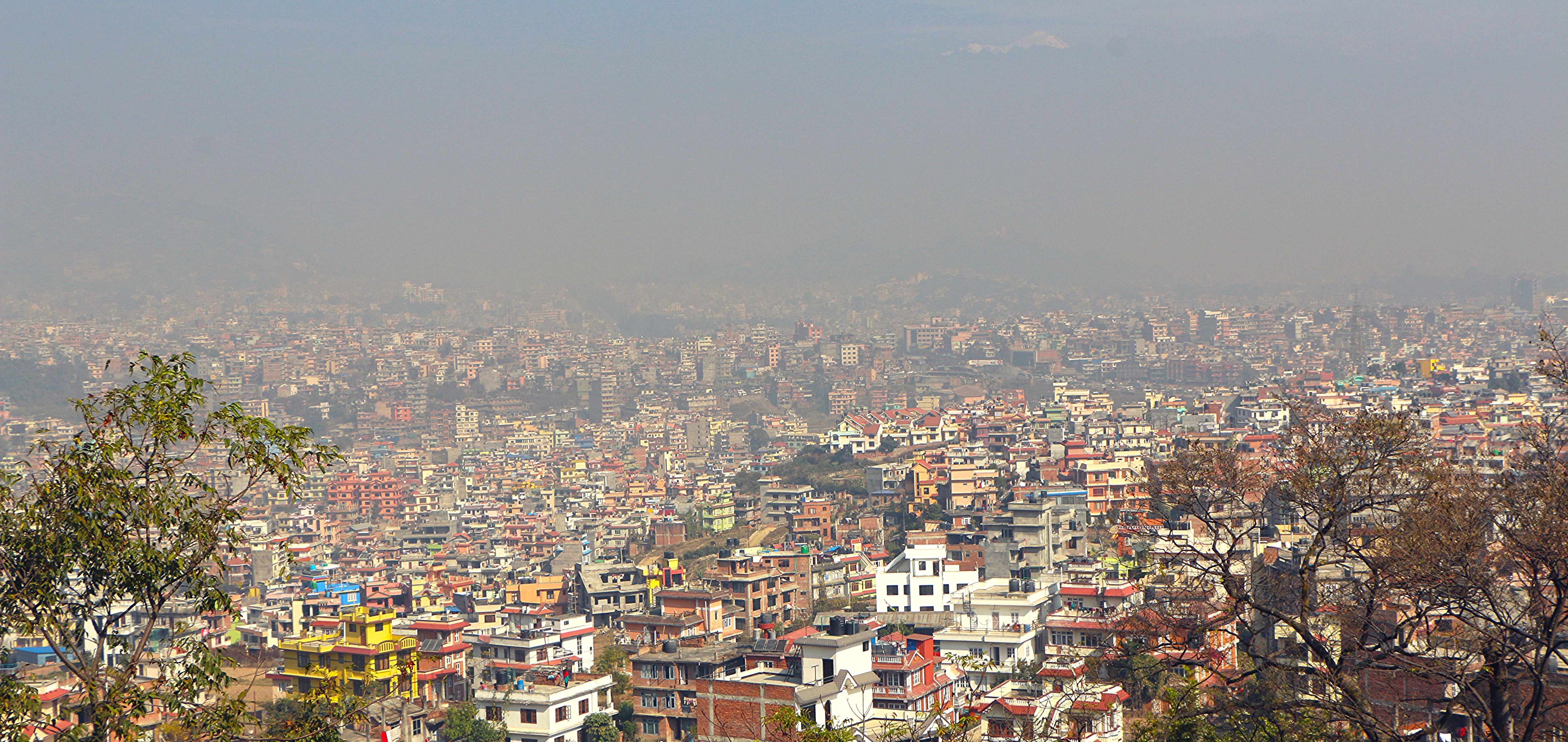
PM2.5: 42.8μg/m³ - 9 times WHO limit
Like most alpine countries, Nepal is vulnerable to air pollution as mountains impede air circulation. Residential use of biomass for heating and cooking is the largest source, with crop burning, brick-making, and vehicles also contributing. Nepal heavily incentivizes electric vehicles, which now make up 76% of new car sales5. 30% of the country’s pollution is imported, drifting in from India and Pakistan through valleys.
6. Tajikistan 🇹🇯
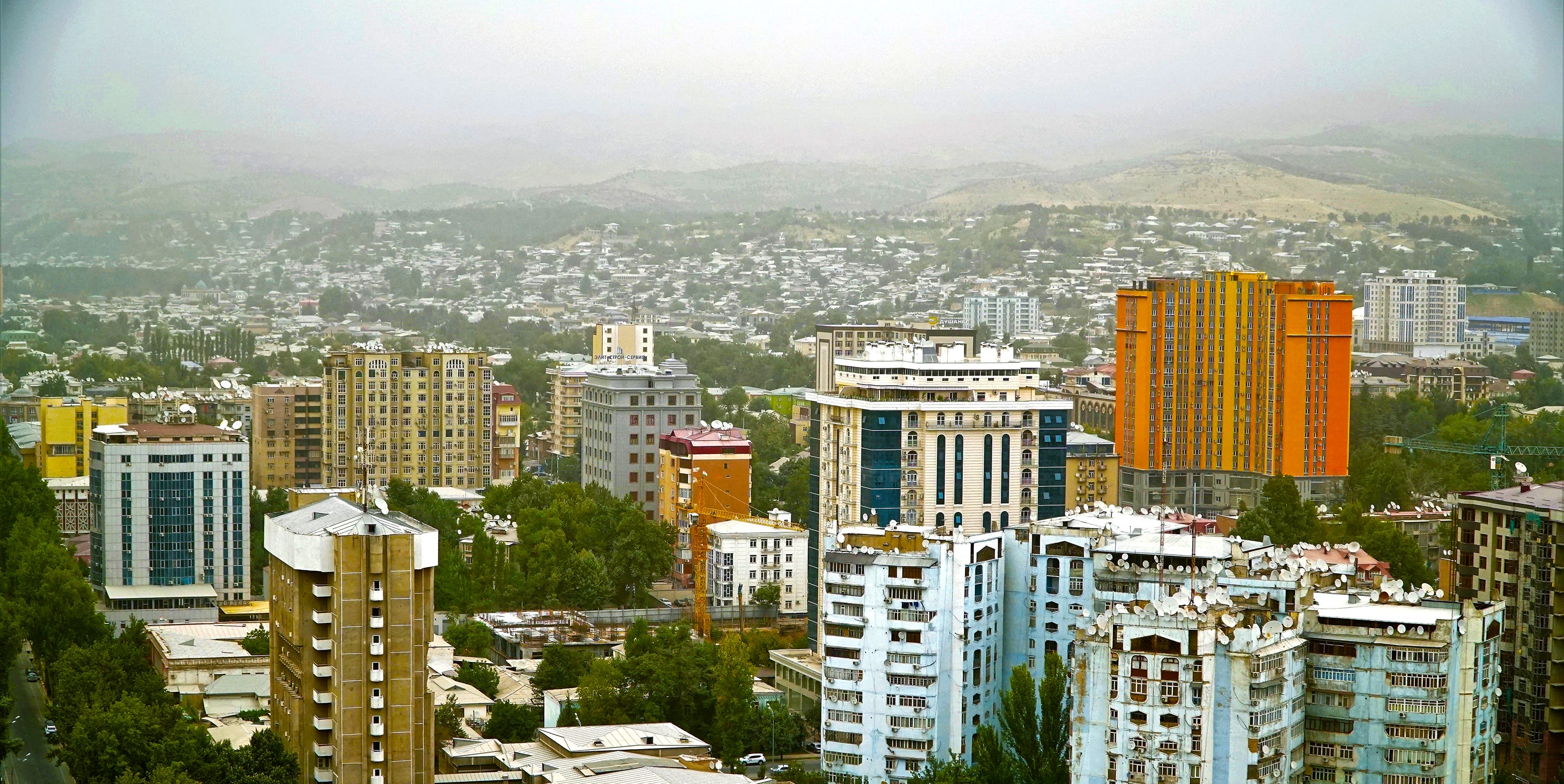
PM2.5: 46.3μg/m³ - 9 times WHO limit
The Central Asian nation of Tajikistan is 93% mountainous, with the vast majority of its population concentrated into two valleys. This geography makes it vulnerable to air pollution, which comes from vehicles, industry, and, increasingly, the power sector. Historically reliant entirely on hydropower, Tajikistan has begun burning coal during the dry season when hydro capacity drops; this has been disastrous for air quality.
5. India 🇮🇳
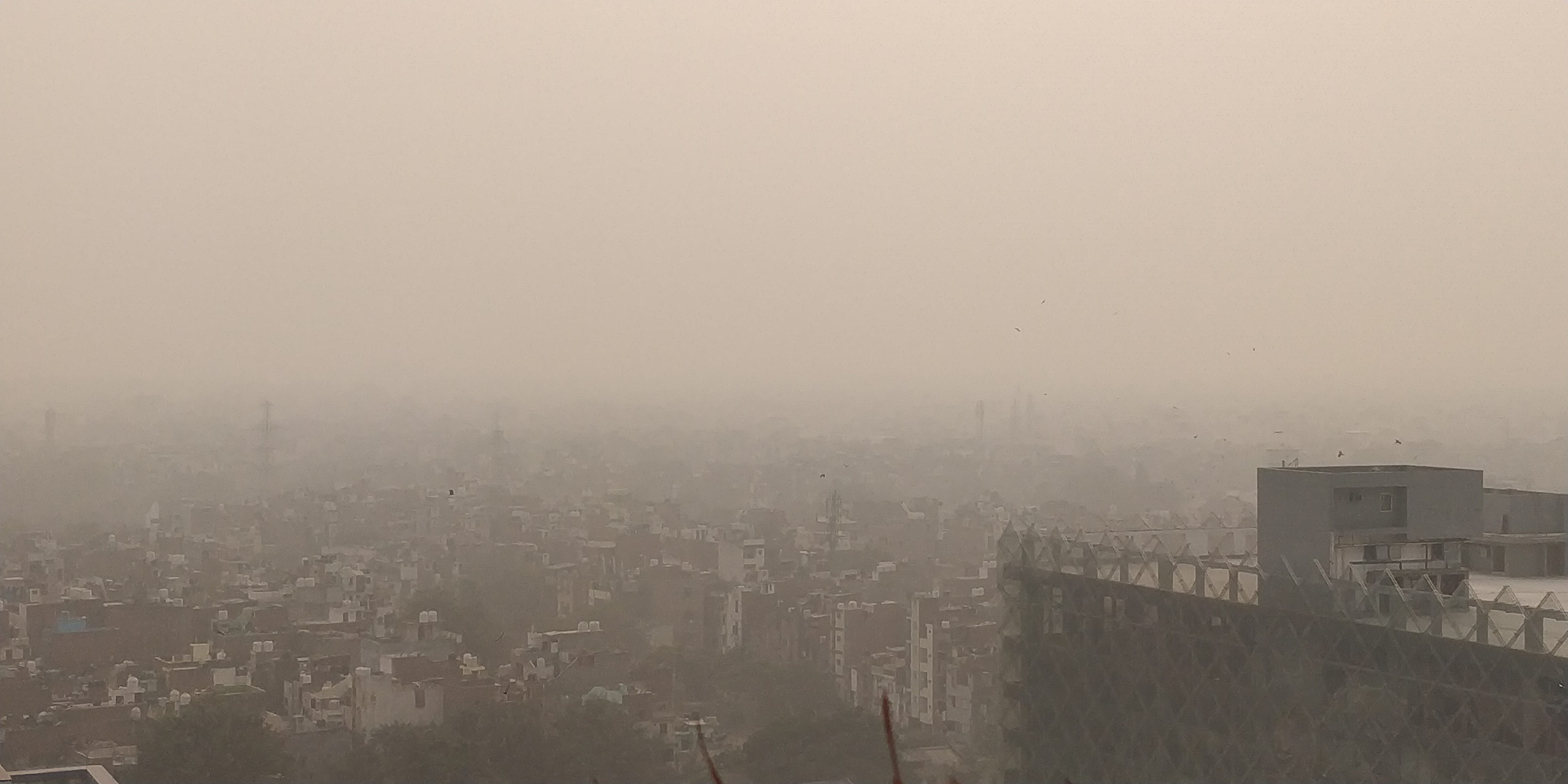
PM2.5: 50.6μg/m³ - 10.12 times WHO limit
India is home to both the world’s largest population - 1.4 billion people - and some of the worst air pollution on Earth. The sources of PM2.5 are diverse with vehicles, coal-fired generating stations, crop burning, industry, and home cooking fires all making substantial contributions. The nation’s geography exacerbates the situation; the Himalayas prevent air pollution from blowing away.
4. D.R. Congo 🇨🇩
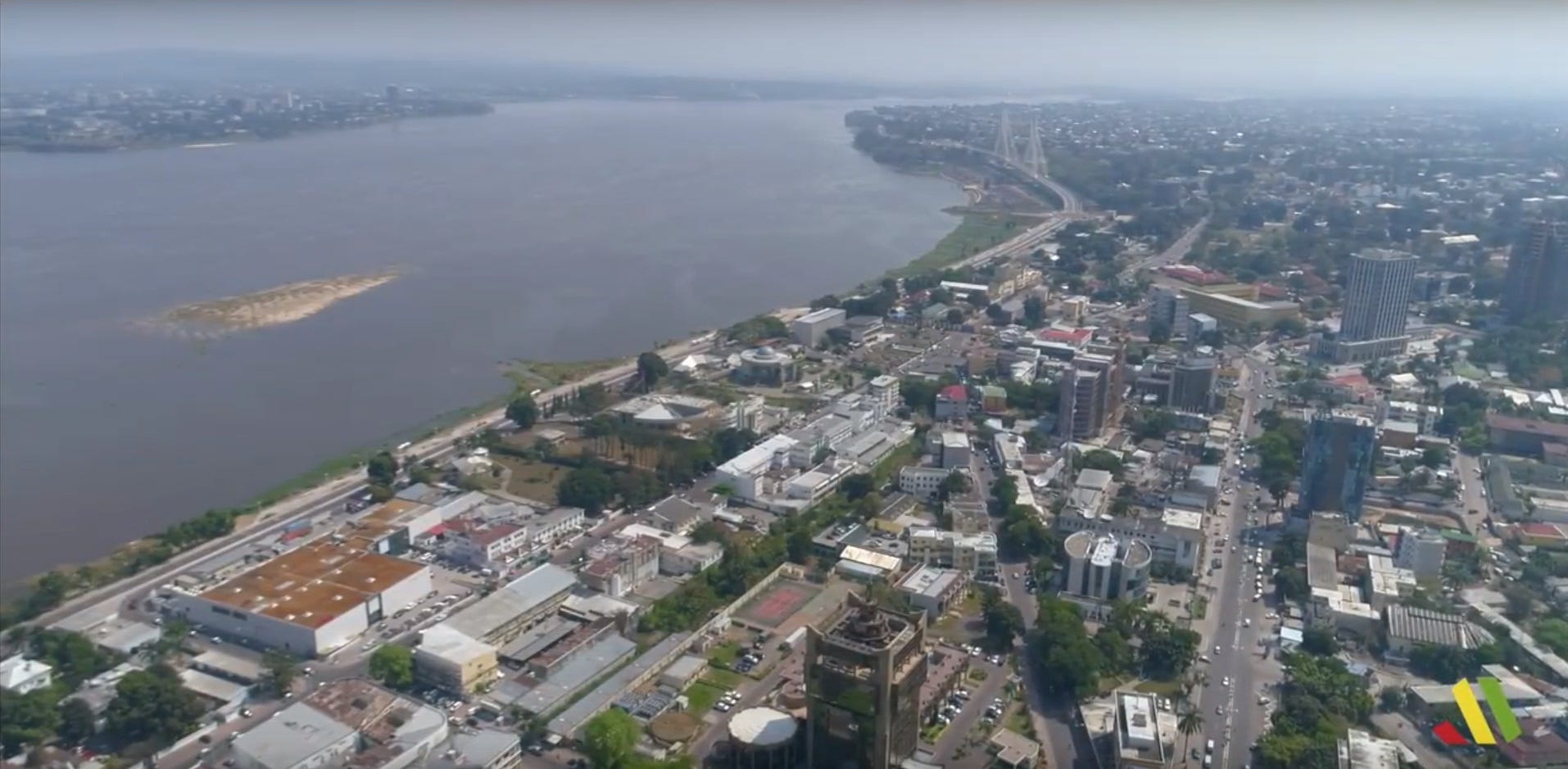
PM2.5: 58.2μg/m³ - 12 times WHO limit
The Democratic Republic of Congo has the most hydroelectric potential in the world, yet only 22% of its population has access to electricity6. As a result, basic energy needs are met mostly by burning wood and charcoal, which generates an awful, persistent haze of air pollution.
Get Earthview in your inbox:
And consider a paid subscription to access premium content and support the work we do!
3. Pakistan 🇵🇰
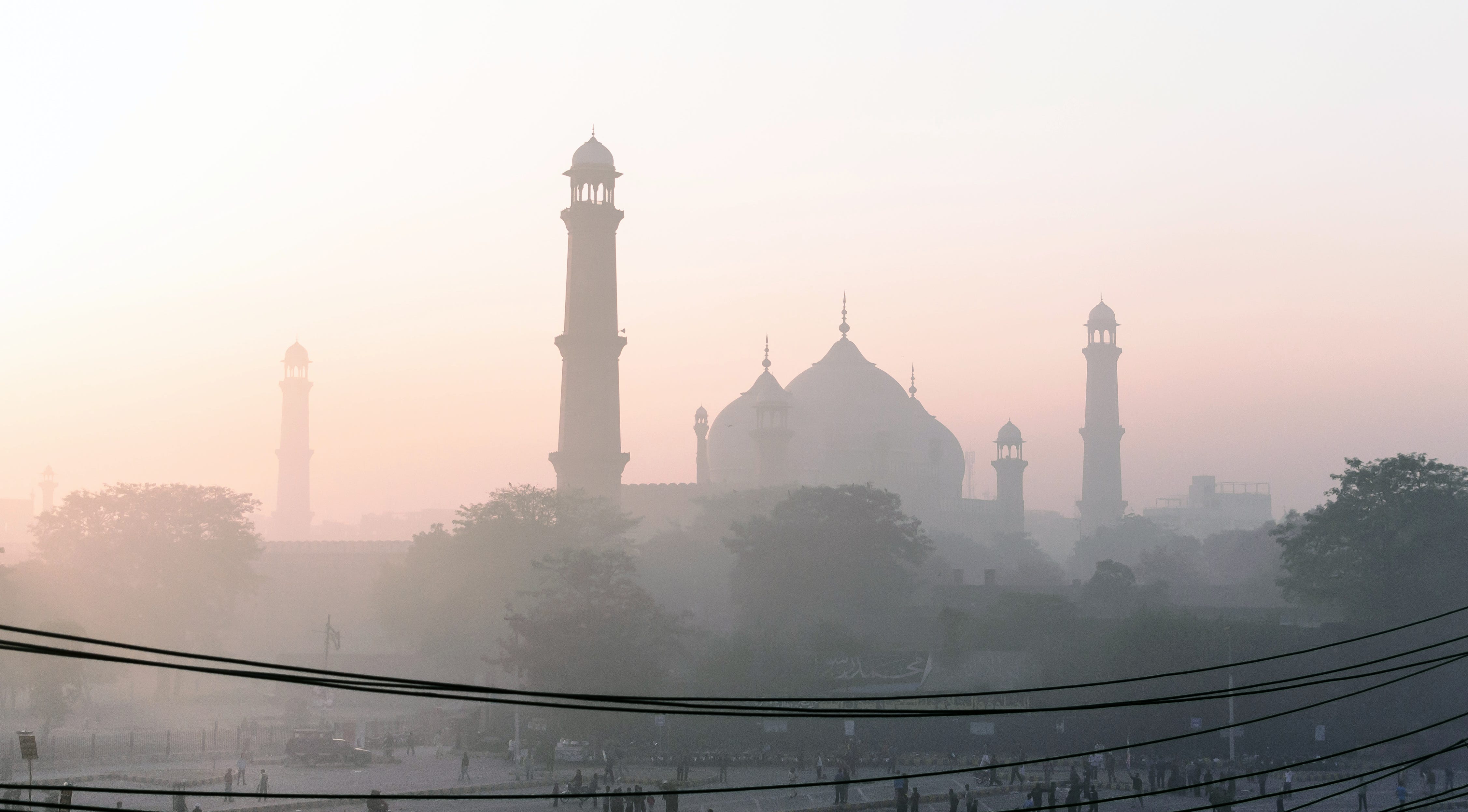
PM2.5: 73.7μg/m³ - 15 times WHO limit
Pakistan uses a cheaper, more polluting form of gasoline than most other countries and perhaps unsurprisingly vehicle emissions are the South Asian nation’s largest source of air pollution. Brick kilns, seasonal crop burning, and coal use in the power sector also contribute.
2. Bangladesh 🇧🇩
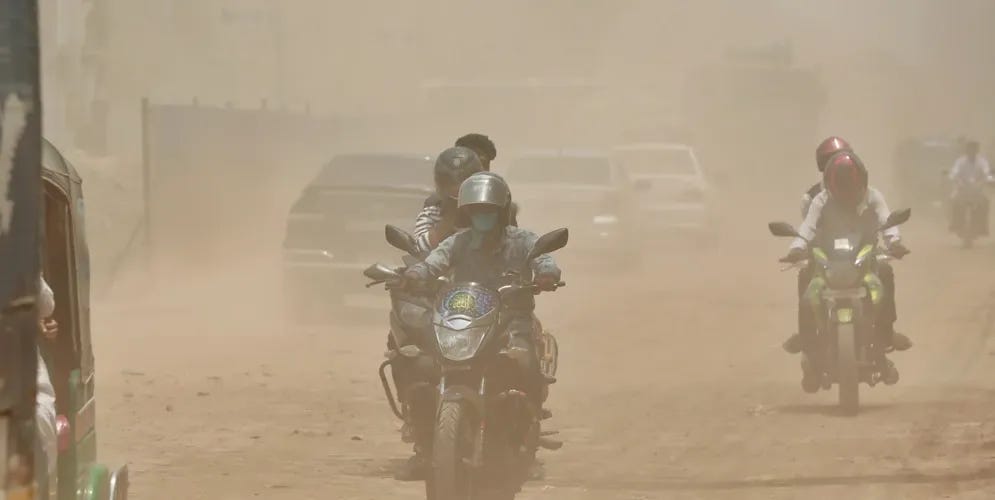
PM2.5: 78.0μg/m³ - 16 times WHO limit
Bangladesh's brick kilns produce 33 billion bricks annually to support the densely populated South Asian nation’s construction industry. The small coal-fired kilns also generate between 30% and 40% of the country’s air pollution7, the rest coming from fossil fuels burned in the power sector, vehicle exhaust, and dust.
1. Chad 🇹🇩
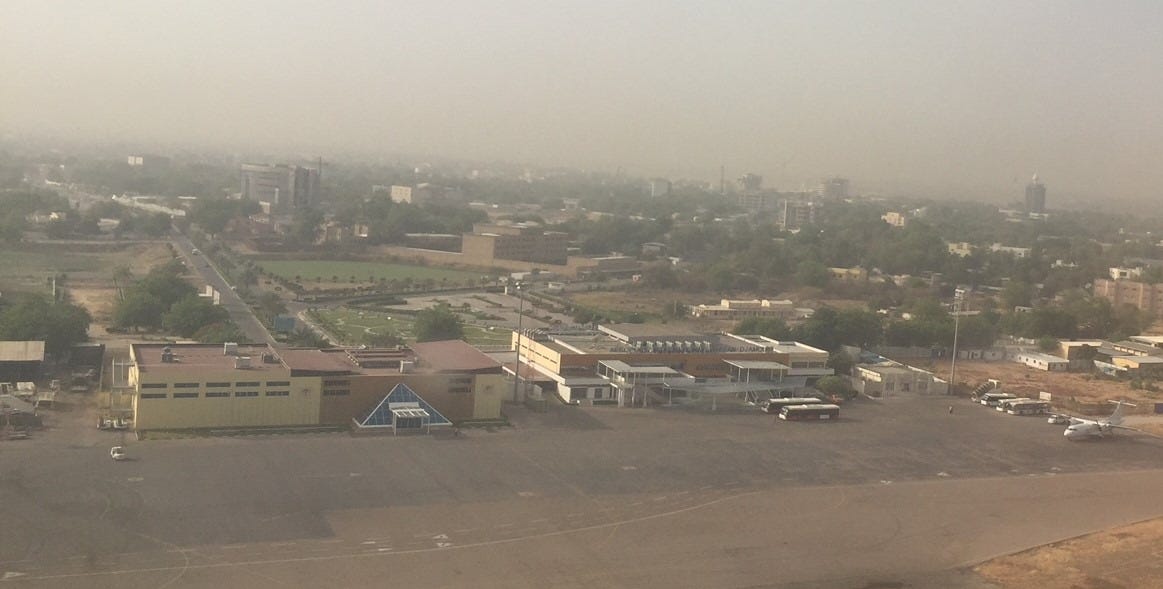
PM2.5: 91.8μg/m³ - 18 times WHO limit
The African nation of Chad has the worst air pollution on the planet. The source is mostly natural. At the country’s center is the Bodélé Depression - a dry basin made of chalky rock. It is the world’s single-largest source of dust storms, which blanket the country on a persistent basis.
The capital city of N'Djamena adds to this mix with open-air burning and a fleet of antiquated gasoline vehicles.
Get Earthview in your inbox:
And consider a paid subscription to access premium content and support the work we do!