


Solar is the fastest-growing source of electricity generation in the world. But it’s a larger source of electricity in some places than in others.
Here are the top 7 countries with the most solar electricity, ranked by the percentage of electricity each country generated from solar in 2025:
7. Chile
25.06%
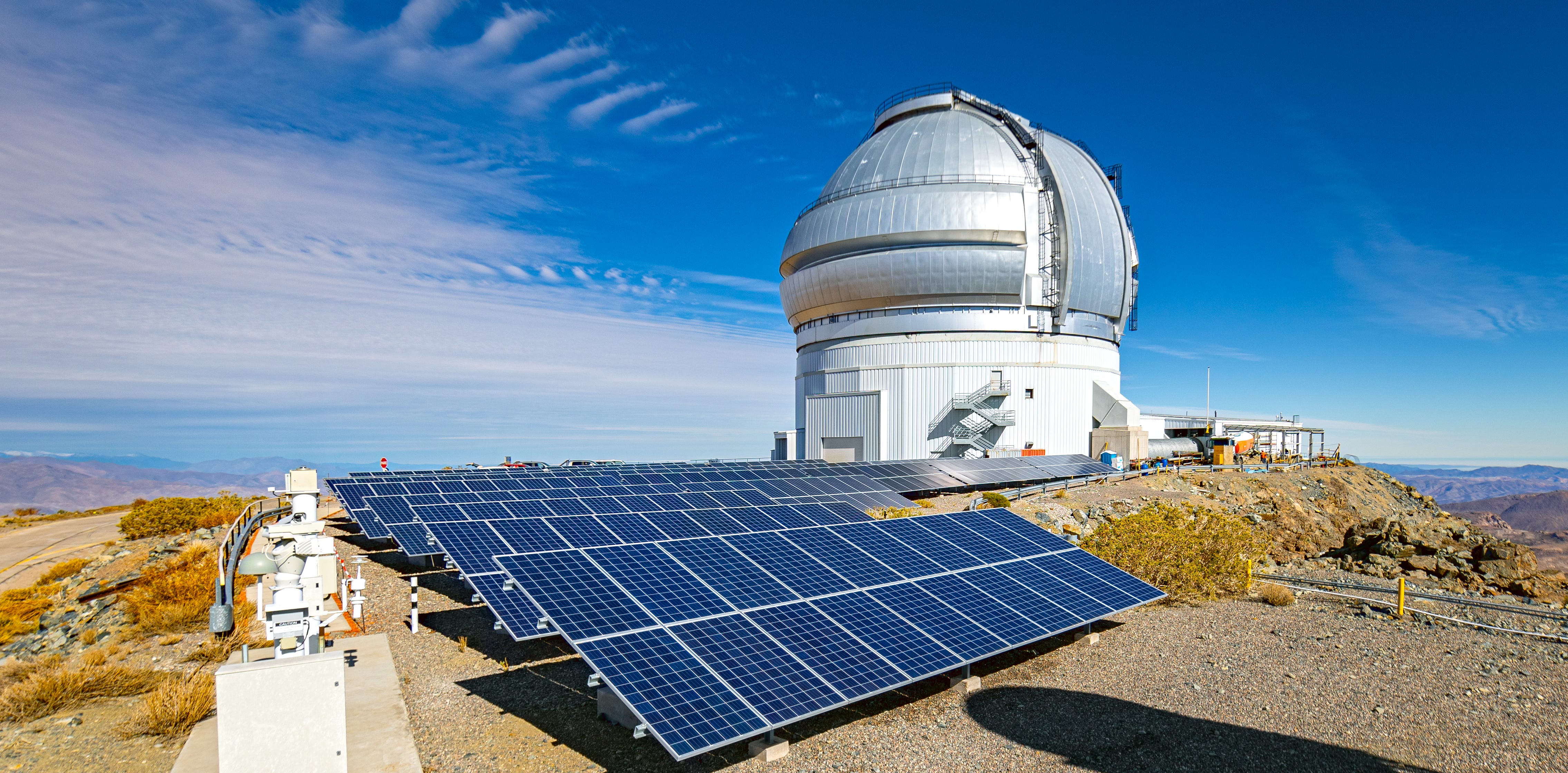
Chile’s dry, high-elevation Atacama Desert sits near the equator and is one of the best places in the world to put solar photovoltaic farms. A solar panel in Chile will, on average, produce three times as much electricity over the course of a year as a solar panel in Scotland.
The market is dominated by massive utility-scale projects in the north of the country, with transmission lines transporting the output to population centers.
6. Hungary
27.29%
Hungary is not a particularly sunny country. Nor has it historically been a particularly environmentalist one — having been ruled by the far-right for decades. Nonetheless, it is one of Europe’s solar energy leaders.
As a landlocked country with no fossil resources of its own, Hungary made a strategic decision to adopt solar as a means of energy independence. Generous subsidies ensure a balance of utility-scale and rooftop capacity.
5. Lebanon
29.96%
Lebanon highlights a much larger trend of massive solar booms occurring in places where the centralized electricity grid has broken down. Fed up with high prices and frequent power cuts, the Lebanese population began installing cheap Chinese-made solar panels on their roofs in the early 2020s.
In just a few years, solar generation rocketed from almost nothing to nearly a third of the entire country’s electricity supply. The focus now is on installing batteries to enable 24/7 self-use and even higher penetration rates.
4. Luxembourg
30.52%
Luxembourg is one of the richest countries in the world and, with an eco-conscious European electorate, it spends a lot of that money on solar subsidies. The Grand Duchy lacks the land necessary for large, utility-scale projects, so residential and commercial rooftop dominate the landscape.
Luxembourg’s solar generation share figures are boosted by the fact that the tiny nation imports most of its electricity. But it also ranks highly on measures of solar generation per capita. The boom is real.
3. Namibia
35.37%
Like Chile, Namibia is one of the best places on Earth for solar generation. But unusually for sub-Saharan Africa, the country also has the state capacity to attract the foreign investment necessary for massive utility-scale solar farms.
The result is an electricity mix with the highest solar generation share of any full-fledged UN member-state. The sparsely populated nation has far more solar energy potential than it needs. Plans are afoot to export its resources via the production of electrofuels.
2. Palestine
39.39%
Palestine’s status as a perpetual conflict zone has rendered the electric grid unreliable and made solar a vital method for the Palestinian people to access energy resources, and reclaim energy sovereignty. Previously, over 90% of Palestine’s electricity was imported from Israel — the occupying power which had effectively barred it from constructing its own power plants.
But solar energy’s modular and distributed nature makes it very difficult to prohibit. Cheap solar panels from China have flooded Palestine, dominating domestic generation, and chipping away at imports from Israel.
1. Cook Islands
50.00%
The Cook Islands are a small South Pacific island country associated with New Zealand. Like most island polities, they have historically been almost wholly reliant on imported diesel fuel for electricity generation.
In the past few years, the Cook Islands government has built solar micro-grids with batteries in the outer islands — bringing them to 24/7 renewable energy. However, the most populated island — Rarotonga — lacks the necessary land for this setup. Floating solar arrays are being strongly considered.