



2025 was a big year for climate. Wildfires and heat waves reminded us that climate change is real, its effects are here, and things will only get worse. But 2025 also saw major progress towards the world’s net-zero by 2050 goal - now only a quarter-century away.
Here are the seven biggest climate stories of 2025:
7. EV Uptake Accelerates

Around 15% of carbon emissions come from road transport, making electric vehicles (EVs) a vital tool in the fight against climate change. In 2025, the US took a step back in EV adoption - scrapping subsidies and canceling models. But the rest of the world took a massive step forward. EVs now account for over 50% of all light vehicle sales in China and over 30% in Europe. Cheap Chinese EVs are also flooding developing markets like Indonesia, Ethiopia, and Nepal.
6. Climate Impacts Worsen

The Palisades Fire in January 2025 destroyed one of the wealthiest swaths of the United States, starkly highlighting how no one is immune to the effects of climate change. That summer, heatwaves in Europe disrupted livelihoods and killed thousands. Then floods in Pakistan displaced 1.8 million people. And Canadian wildfires poisoned air quality across North America.
The scariest part of this sequence, of course, is the knowledge that the severe climate impacts of 2025 will be surpassed. The worst is yet to come.
5. Battery Prices Plummet
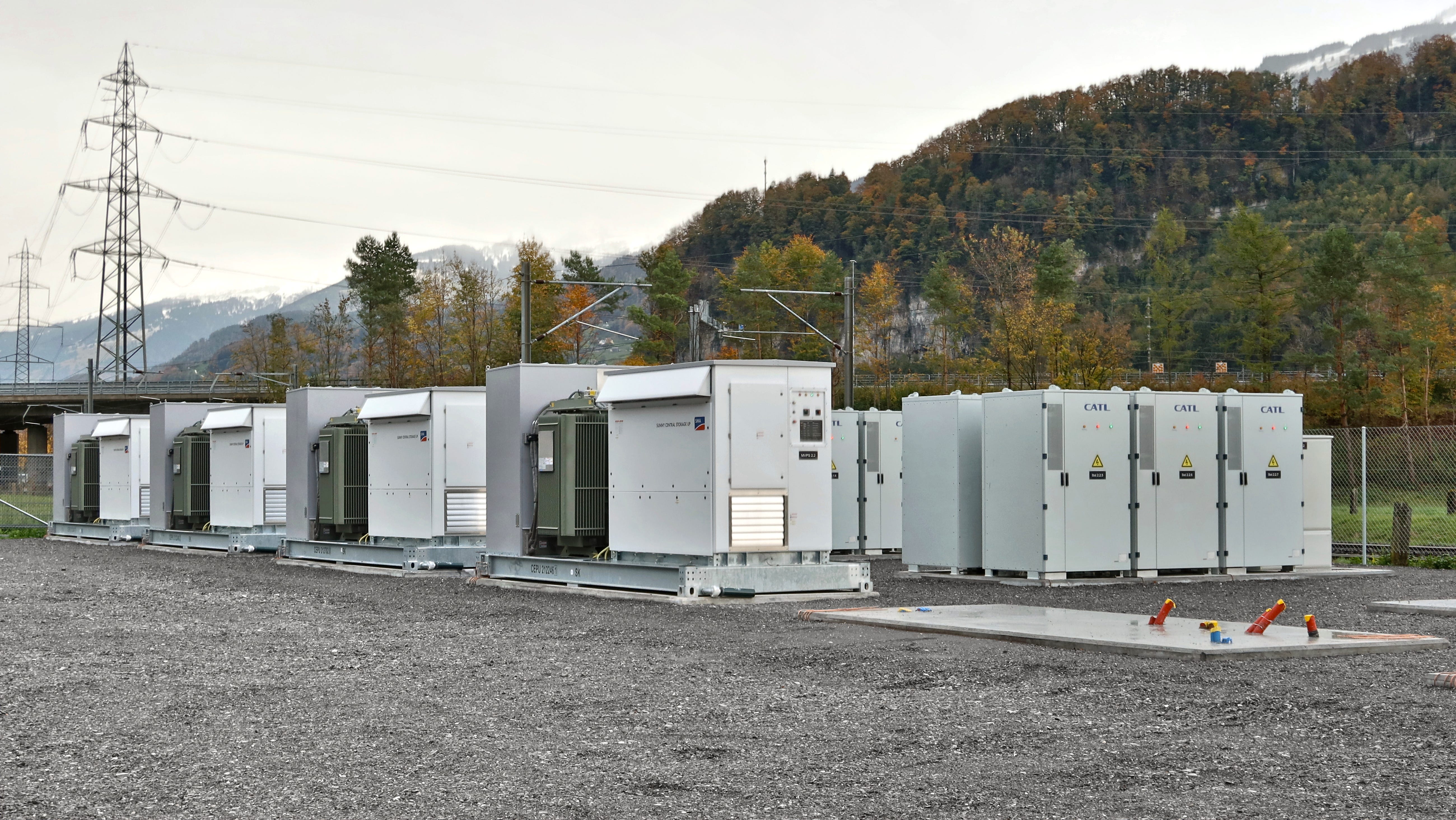
Cheap energy storage is a necessary component of the energy transition away from fossil fuels towards low-carbon sources. And in 2025, that component started sliding into place. Lithium-ion battery pack prices fell this year to $108/kWh, down 8% from 2024 and 27% from 2023. New technologies like sodium-ion batteries also came online, and may drive even more drastic price declines in future.
There is little doubt that by the early 2030s an electric grid powered by wind, solar, and battery storage will be cheaper than grids powered by fossil fuels in nearly every case.
Sign up to get Earthview in your inbox:
And consider a paid subscription to get premium analysis and support the work we’re doing!
4. Enhanced Geothermal Arrives
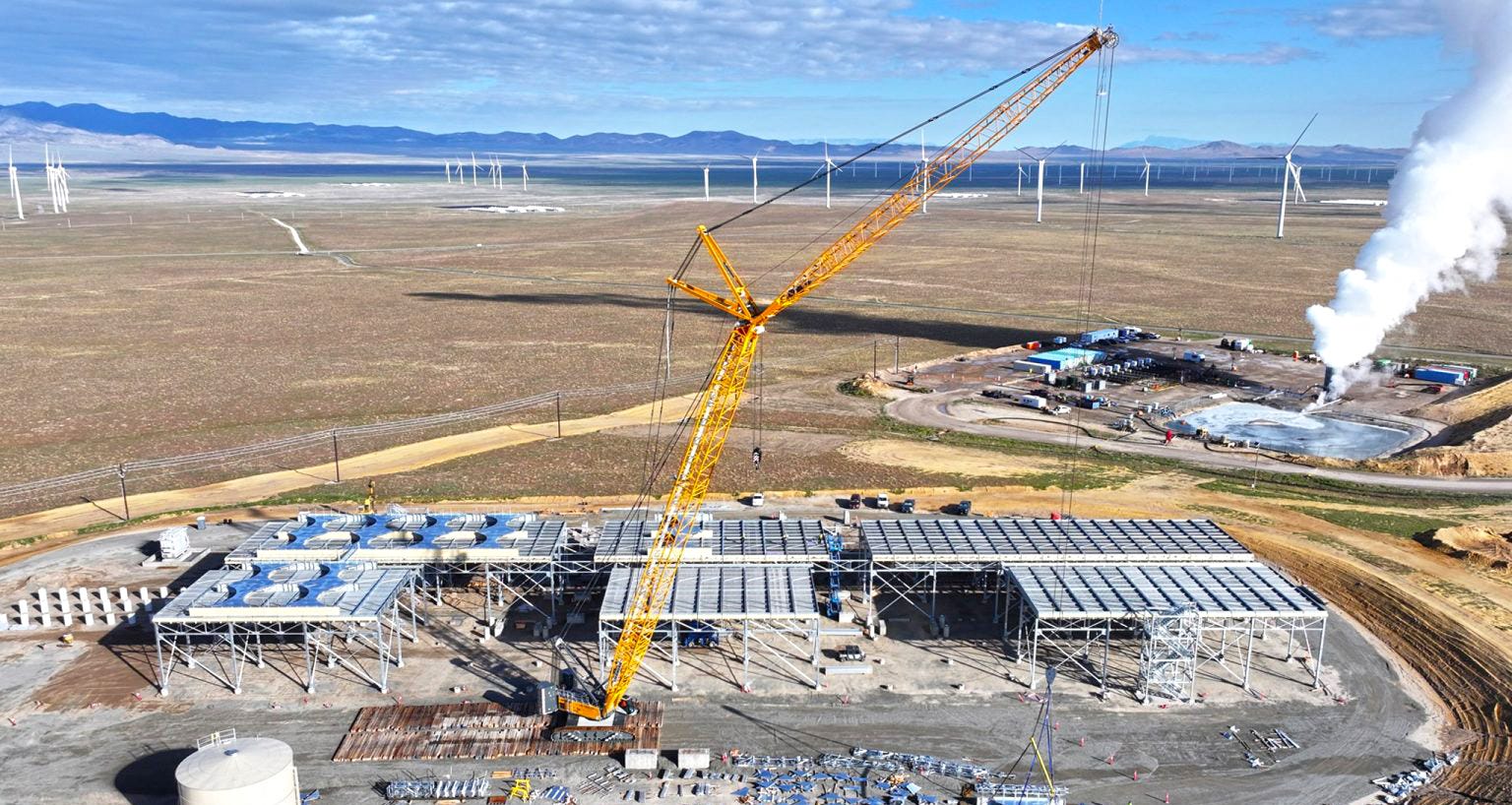
Geothermal energy provides constant 24/7/365 low-carbon electricity. But it has historically been limited to places where hot water is found very near the surface. New Enhanced Geothermal Systems (EGS) technology aims to drastically expand geothermal energy’s geographic footprint - either through fracking or digging super deep wells.
In 2025, one company working on the fracking approach took a massive step forward. Fervo Energy successfully drilled test wells at its Cape Station Project in Utah. It plans to deliver 100 MW of power to the grid in 2026, eventually scaling to 2 GW - the size of a nuclear power station.
3. Coal Stalls in India
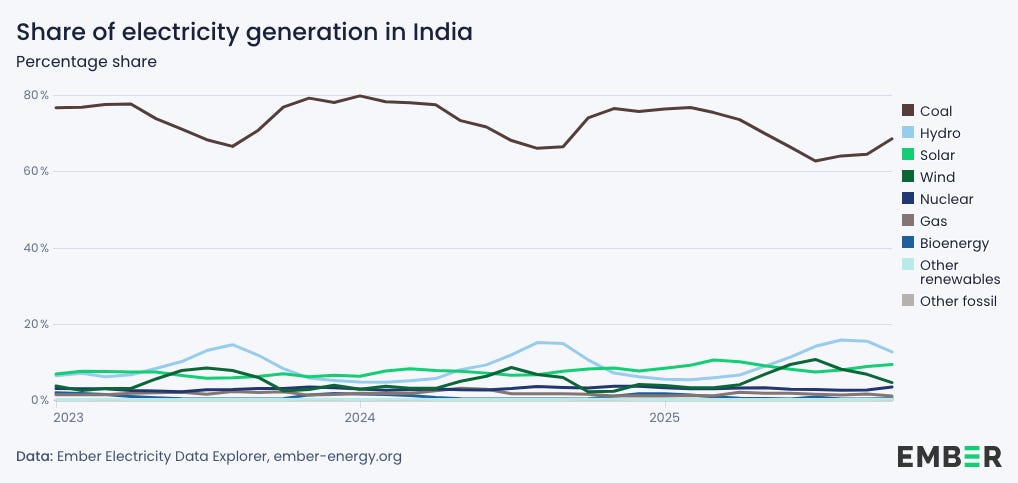
India is the second-largest consumer of coal after China. Indeed it is even more dependent on the world’s dirtiest fossil fuel than its neighbor, generating nearly 80% of its electricity from coal.
But in 2025, coal use stalled for the first time in years. And this could be a tentative sign that India’s massive solar buildout may finally be dragging coal consumption down.
2. US Climate U-Turn
The election of Donald Trump in 2024 has had a profound impact on federal climate policy in the United States, the world’s second-largest emitter of greenhouse gases. In 2025, Joe Biden’s climate-focused Inflation Reduction Act (IRA) was mostly repealed. And federal agencies have aggressively abused their powers in a naked attempt to prop up the coal industry and harm renewables.
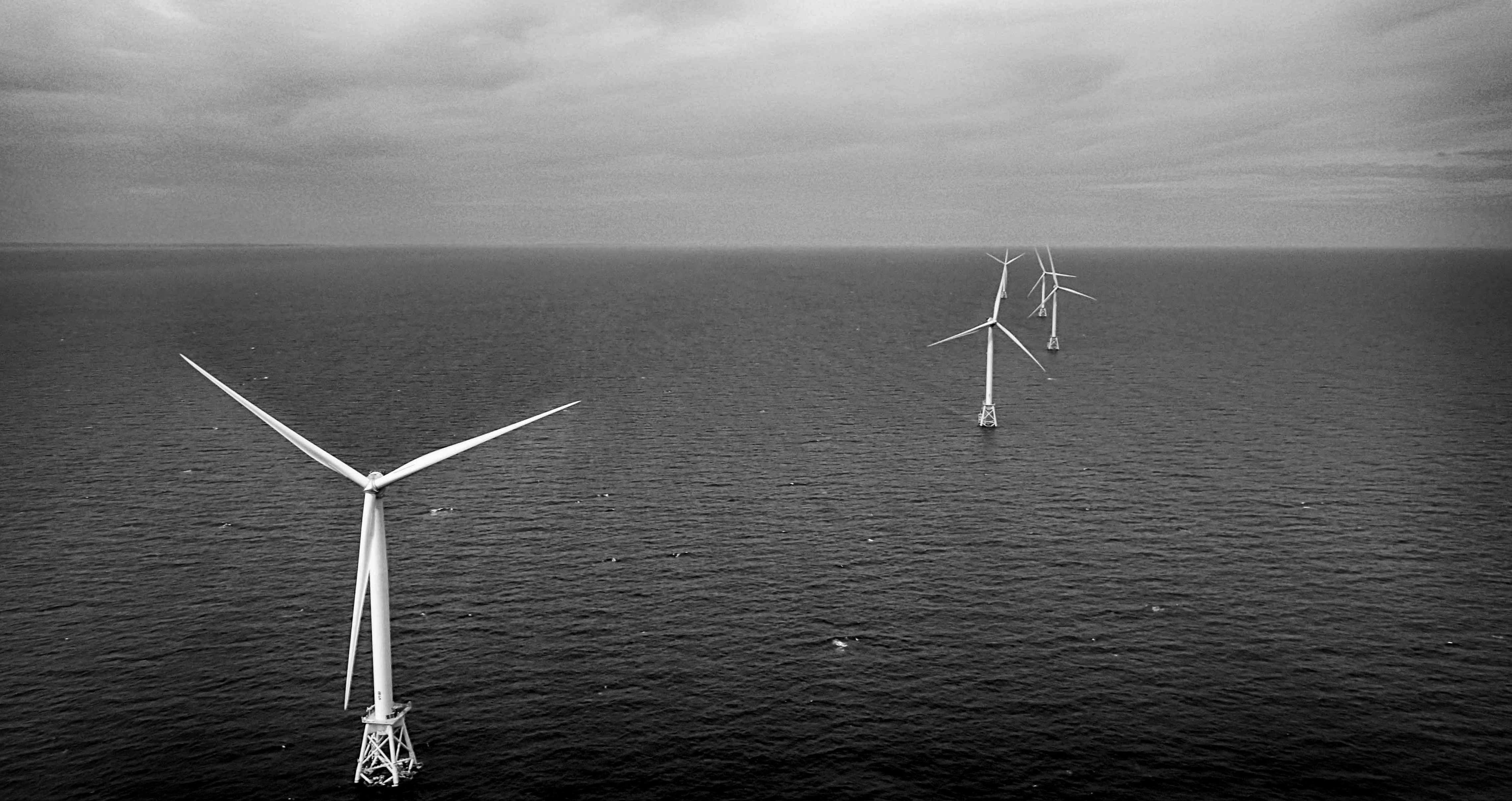
The largest casualty of the Trump administration has been offshore wind. This industry has enormous potential in the United States and had just been getting off the ground in the Biden administration. But its reliance on subsidies and federal approvals made it uniquely vulnerable. Offshore wind development will essentially be suspended for the remainder of Trump’s term.
Not all is lost. Policy support for low-carbon technologies like batteries, geothermal, and nuclear still exists. And despite everything, solar energy continues to set new capacity addition records.
1. China Emissions Plateau
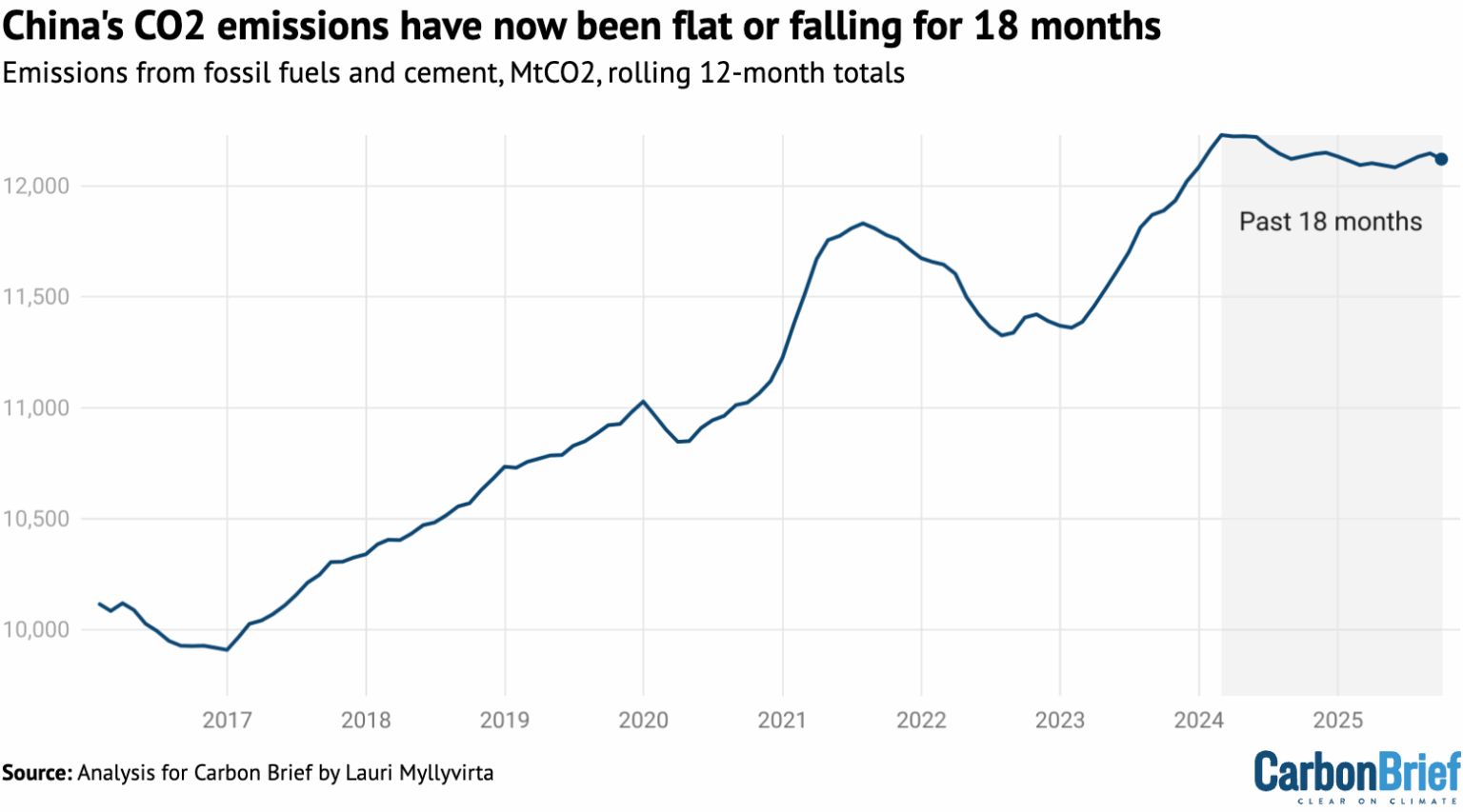
Negative news in the United States has been overshadowed by massive progress in China - which is by far the world’s largest emitter of greenhouse gases, representing 32% of the world’s total.
China is changing. After years of unmitigated growth, its CO2 emissions were flat in 2025. This trend was not driven by an economic recession, but rather by an enormous upswing in solar and wind energy production.
The percentage of China’s electricity generated by coal peaked in 2007 at 81%. In 2025, it is likely to be around 56% and should be significantly under 50% by the end of the decade.
Sign up to get Earthview in your inbox:
And consider a paid subscription to get premium analysis and support the work we’re doing!