


Life on Earth has thrived even in the most inhospitable environments - and that certainly includes the cold, dark, wintry expanses of the Arctic.
Lying north of the Arctic Circle at 66° N, this region comprises the icy depths of the Arctic Ocean and the surrounding areas of Alaska, Russia, Scandinavia, Greenland, and Canada. It is a diverse landscape of open ocean, ice sheets, tundra, and mountains.
Here are seven awesome animals native to the Arctic:
7. Snowy Owl
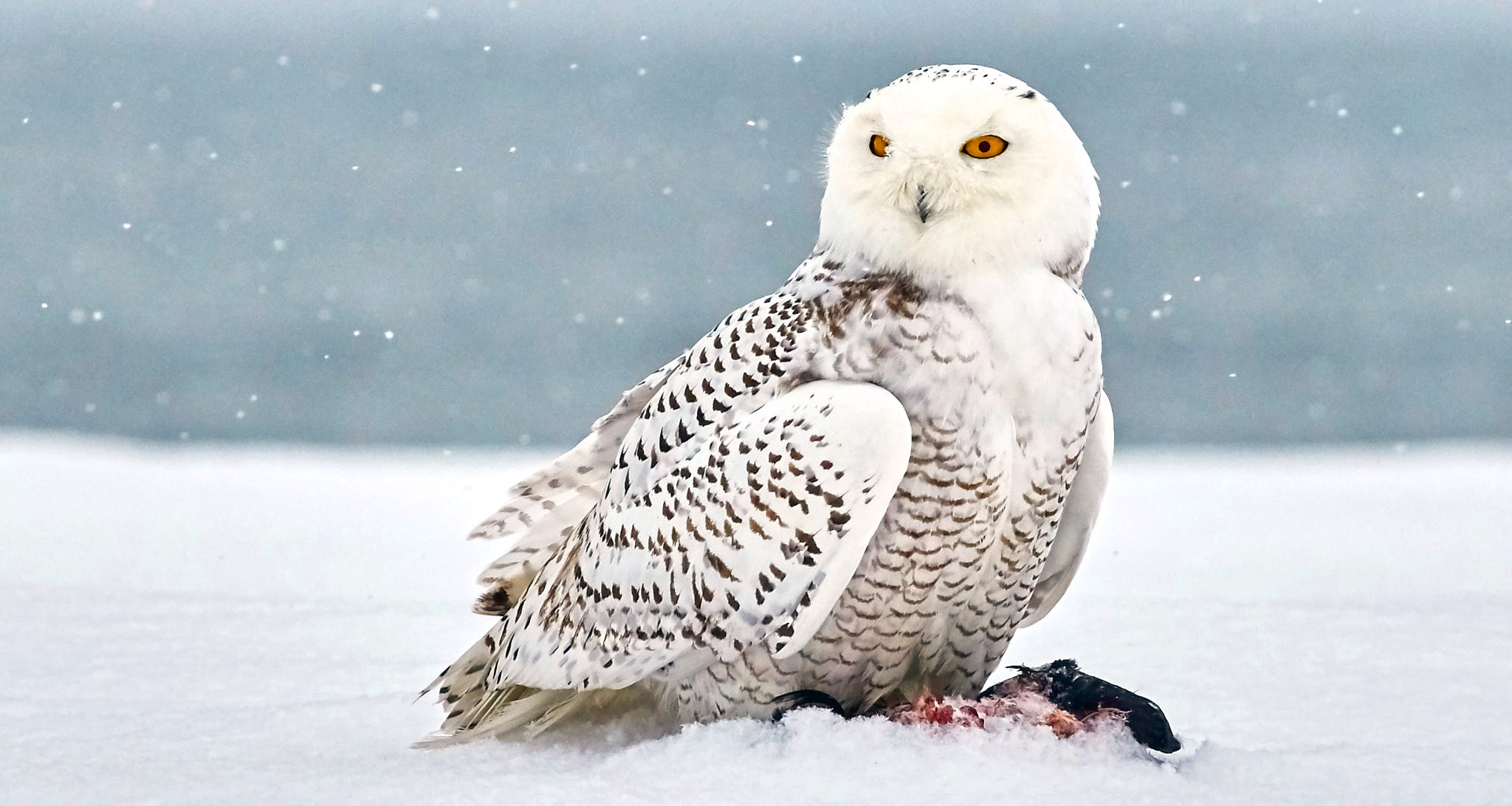
The snowy owl may look cute and cuddly. But beneath the thick plumage and blubbery layers of insulation lies the heart of a deathly efficient predator. The snowy owl flies silently, and then ambushes its prey with an audacious dive-bomb attack. A single owl can slaughter 1,600 lemmings a year. They eat them whole, head-first. Even humans have been attacked by this maniacally ruthless eburnean brute.
Bubo scandiacus | IUCN: Vulnerable (VU)
6. Muskox
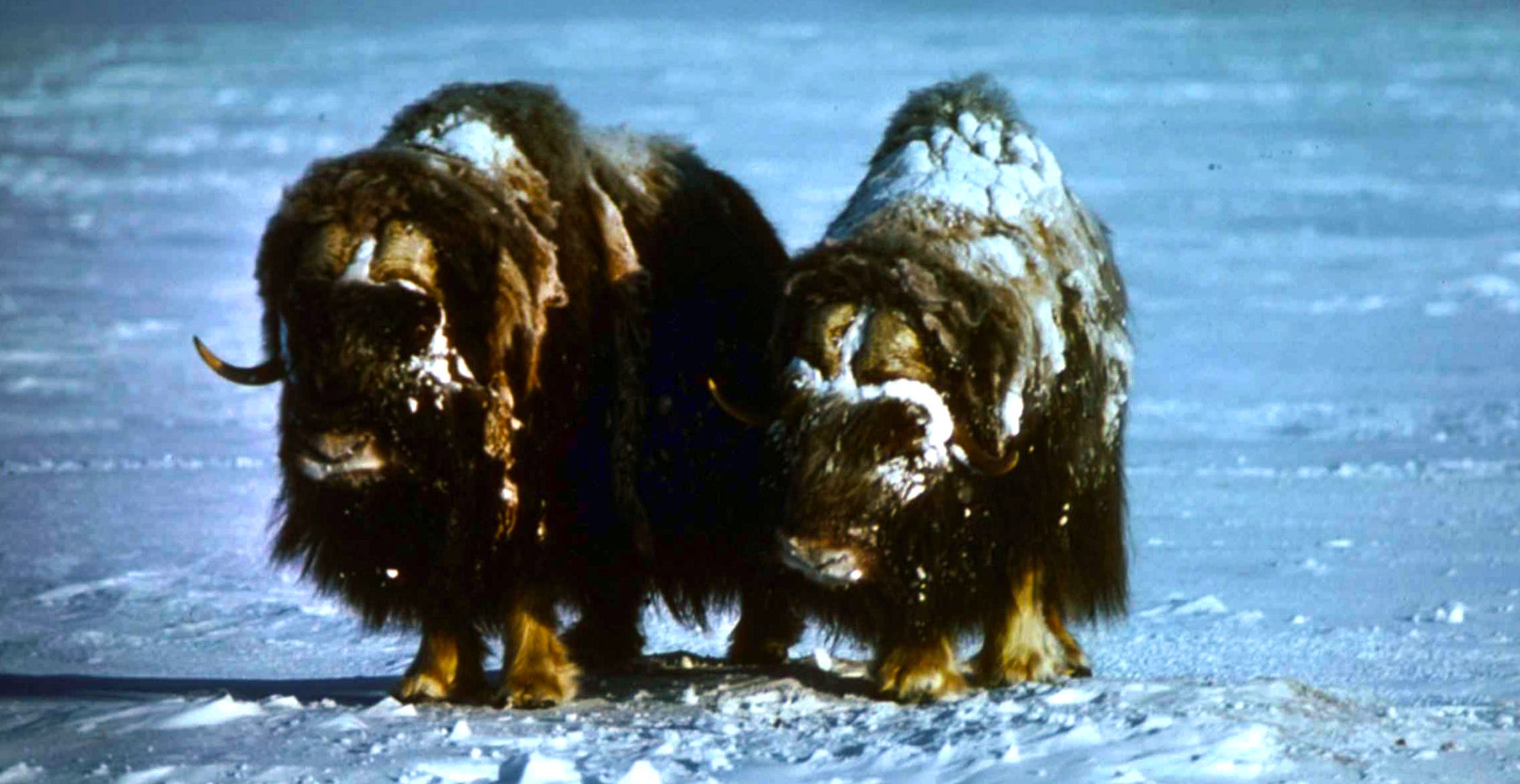
The foul-smelling muskox is more closely related to sheep and goats than other species typically called oxen. Its wool is eight times warmer than sheep’s wool, and is highly valued by indigenous peoples. It is famous for ‘the circle’ - a defense strategy in which adult muskoxen encircle their young and stand shoulder-to-shoulder in a tight circle, creating an impenetrable wall of meat and bone no predator would dare challenge.
Ovibos moschatus | IUCN: Least Concern (LC)
5. Beluga Whale
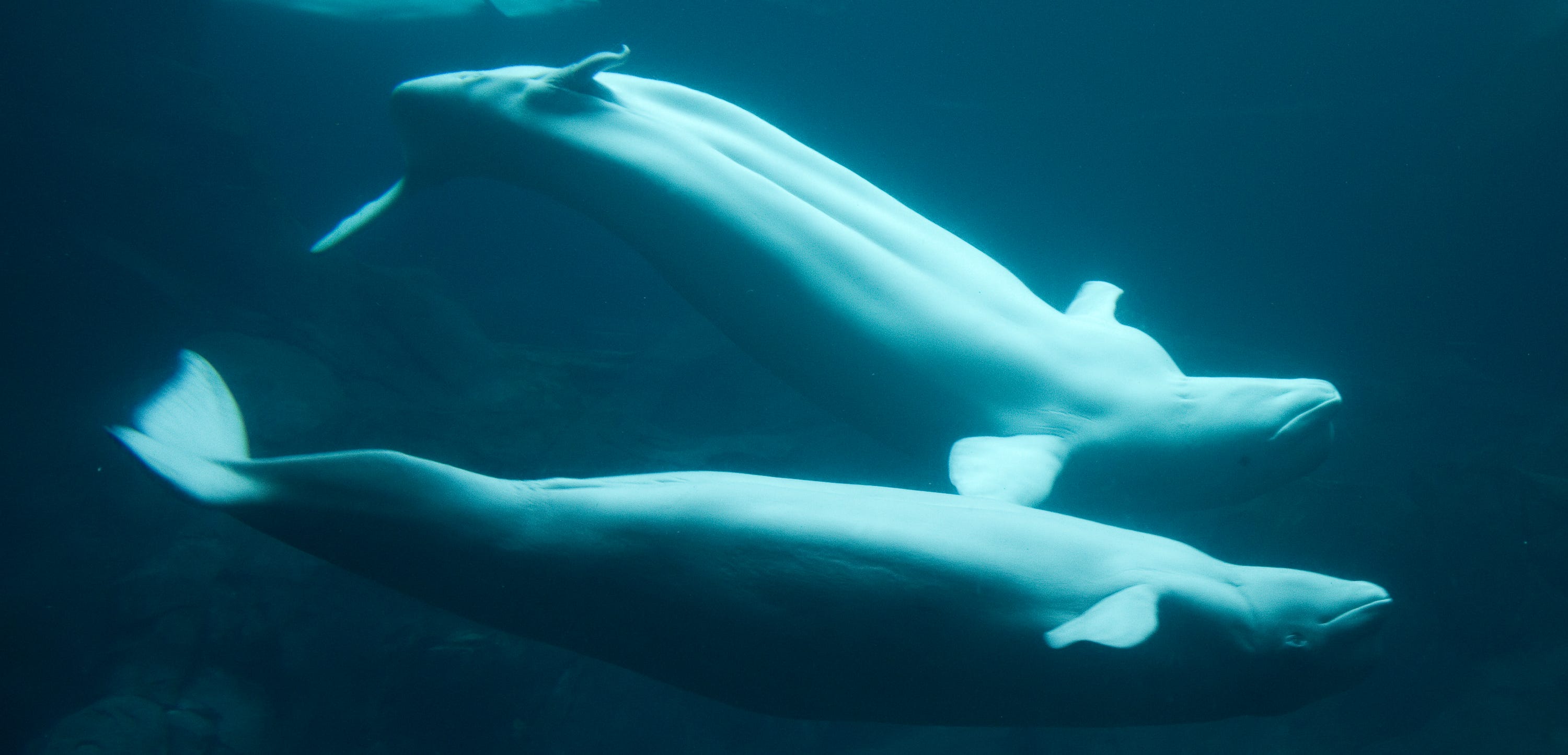
Way down yonder in the deep blue sea, this little white whale is on the go. The chatty Beluga Whale actually starts life a dark shade of brown, but acquires its ghostly white appearance as it matures. It has a flexible forehead - called a melon - the shape of which it can manipulate to focus echolocation beams. This helps it to find prey or hollow points in the ice where it can pick breathing holes.
Delphinapterus leucas | IUCN: Least Concern (LC)
Get Earthview in your inbox:
And consider a paid subscription to access premium content and support the work we do!
4. Arctic Fox
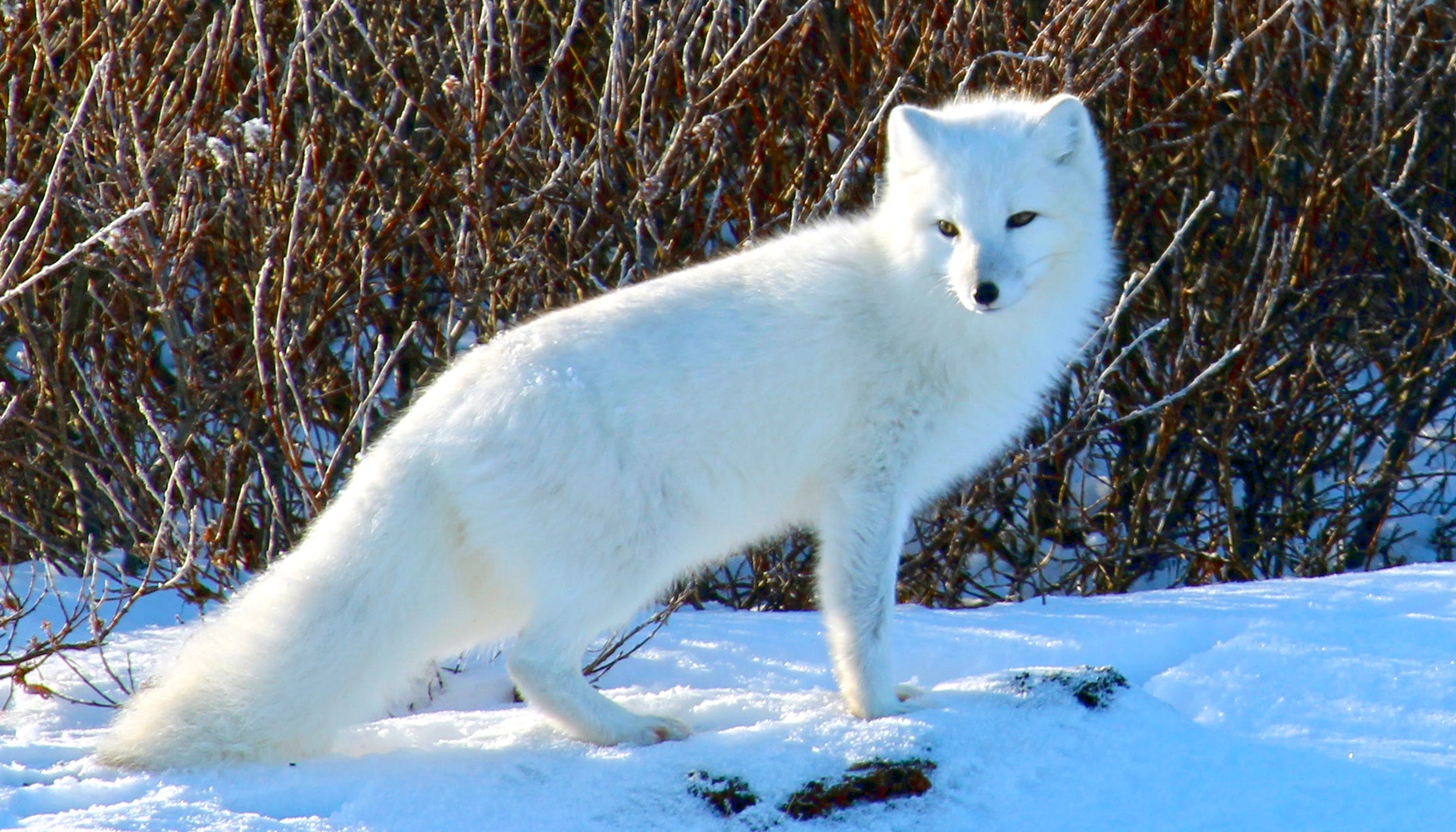
The Arctic Fox has the most effective insulation of any animal on Earth. Its dense fur keeps it toasty down to -70°C (-158°F), beyond which it begins to shiver. Its Latin binomial means “hare-footed”, and indeed the Arctic Fox is the only canine which - like hares - has fur covering its paws. It lives in a complex network of multi-generation, underground dens, many of which are centuries-old.
Vulpes lagopus | IUCN: Least Concern (LC)
3. Narwhal
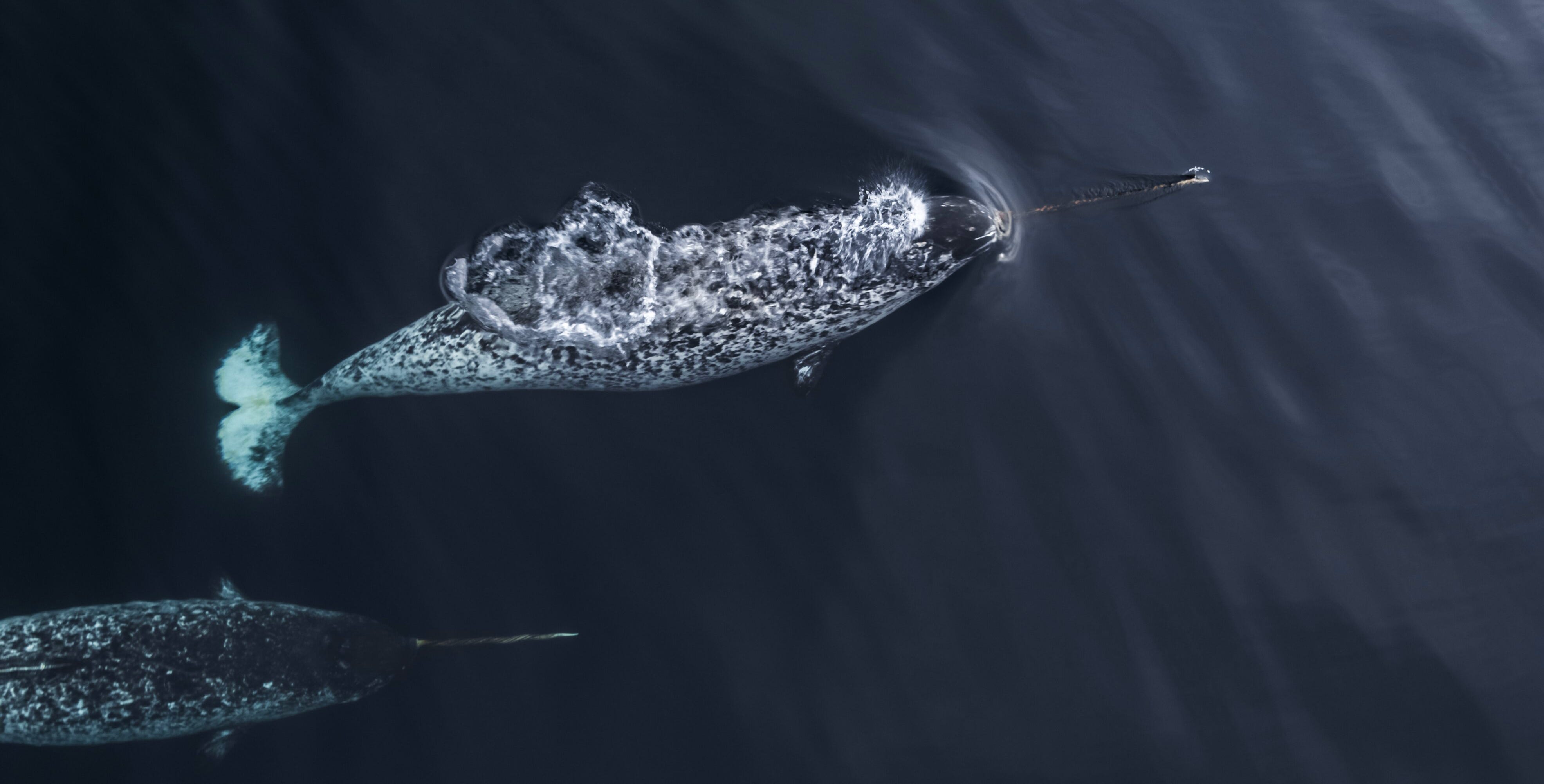
Narwhals are the unicorns of the sea, with males boasting a giant tusk 3 m (10 ft) long. The tusk is actually a tooth that extends outwards. It contains ten million nerve endings that provide the animal information about water salinity, temperature, and pressure. It is thought to have evolved as an early-warning system to help the Narwhal avoid being trapped under the polar ice.
Monodon monoceros | IUCN: Least Concern (LC)
2. Greenland Shark
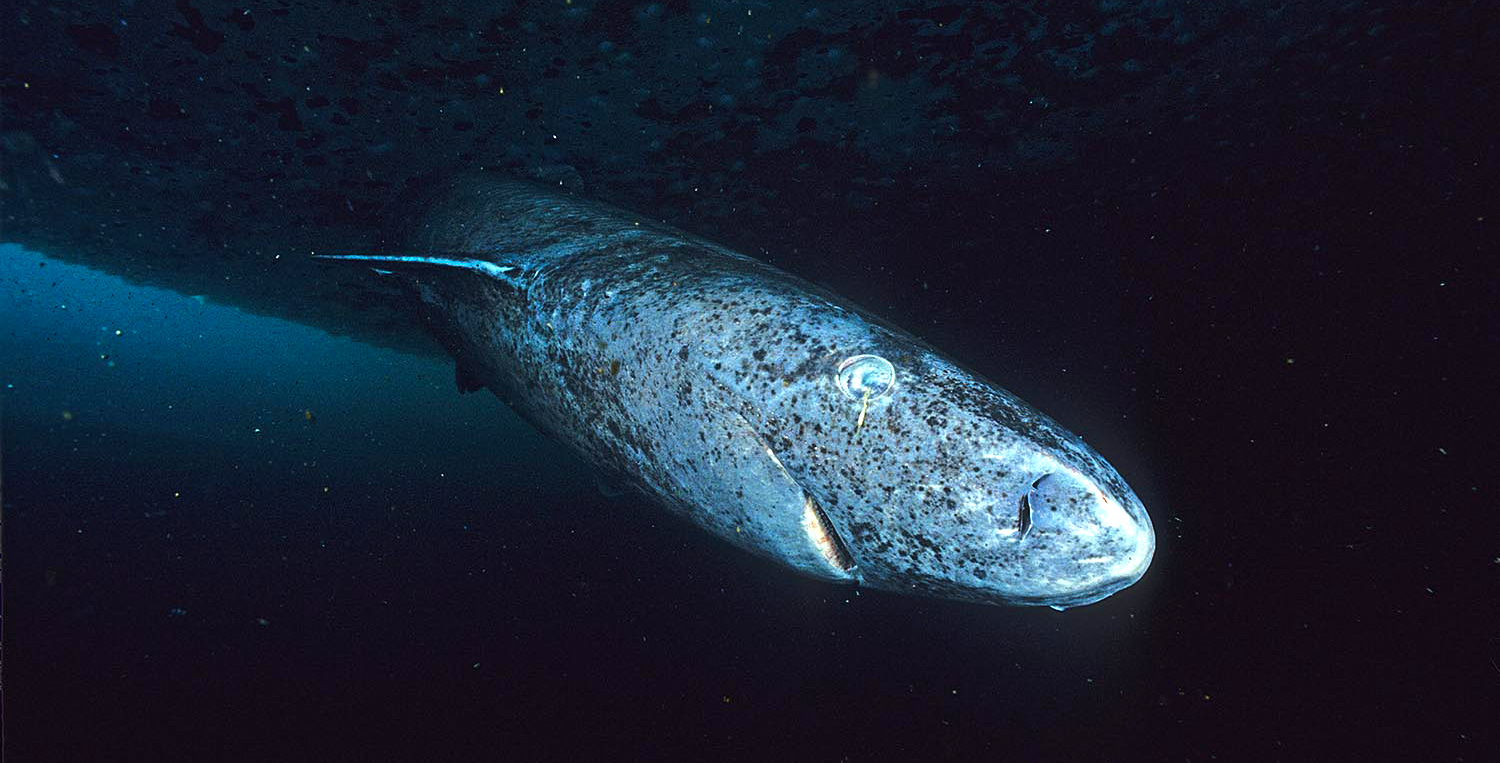
For a Greenland Shark, childhood lasts 150 years. Individuals born in the 1870s are only reaching sexual maturity now. They may still be alive 300 years in the future, as the upper limit of the species’ lifespan is thought to be around 500 years, the longest on record for a vertebrate. They are slow, with a top speed of only 1.6 mph, about the speed of a baby crawling. And they are filled with a toxic substance which acts as a natural antifreeze and can create extreme drunkenness in humans.
Somniosus microcephalus | IUCN: Vulnerable (VU)
1. Polar Bear
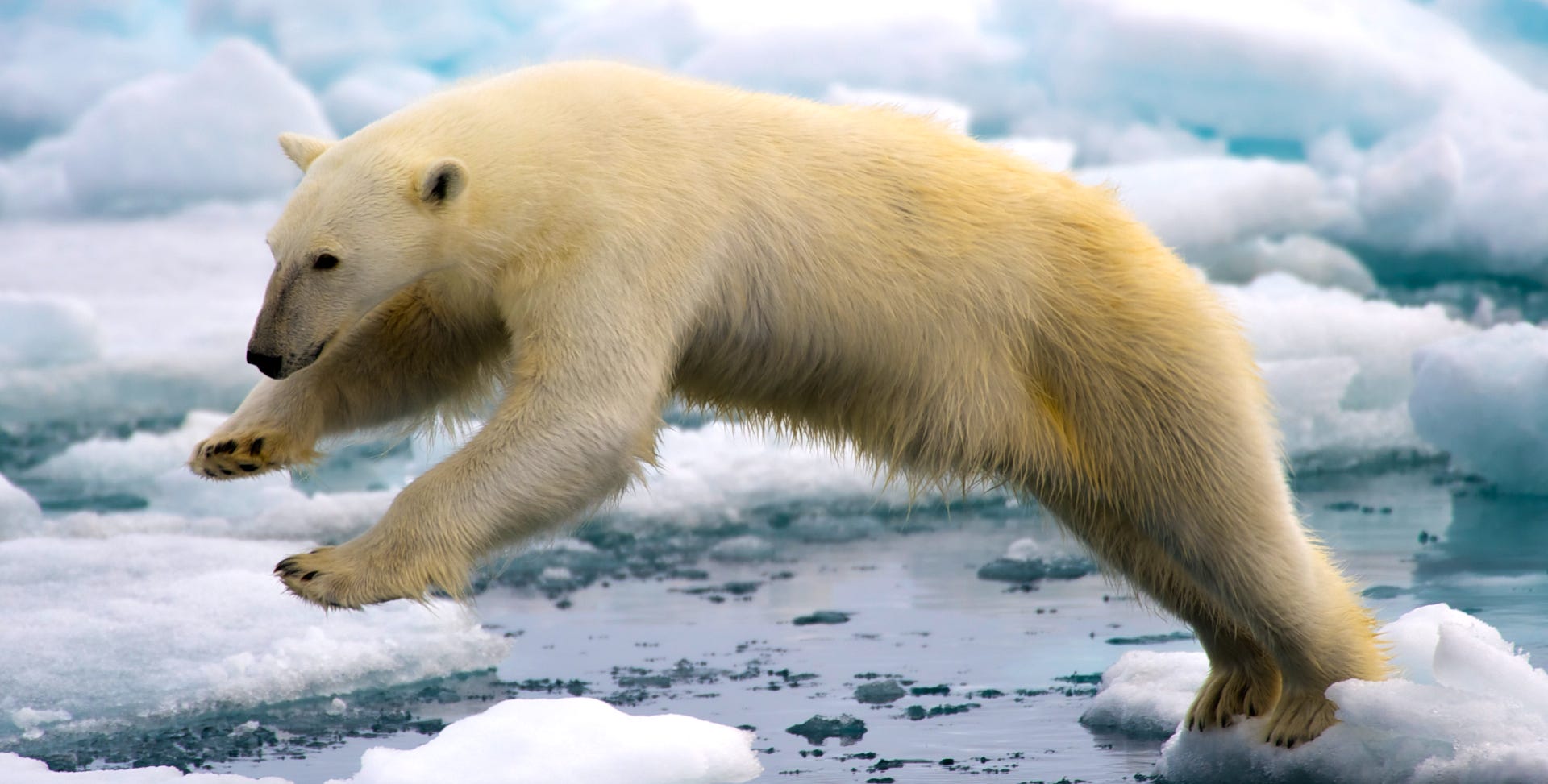
Polar Bears are the kings of the Arctic, both in the popular imagination and in the ecological hierarchy of the region. They are apex predators, feeding on species beneath them in the food chain without being hunted themselves. The bears are elite swimmers capable of outracing the fastest, Olympic-medalled humans - and live primarily as a maritime species, spending the vast majority of their lives floating atop the polar ice.
Ursus maritimus | IUCN: Vulnerable (VU)
Get Earthview in your inbox:
And consider a paid subscription to access premium content and support the work we do!