


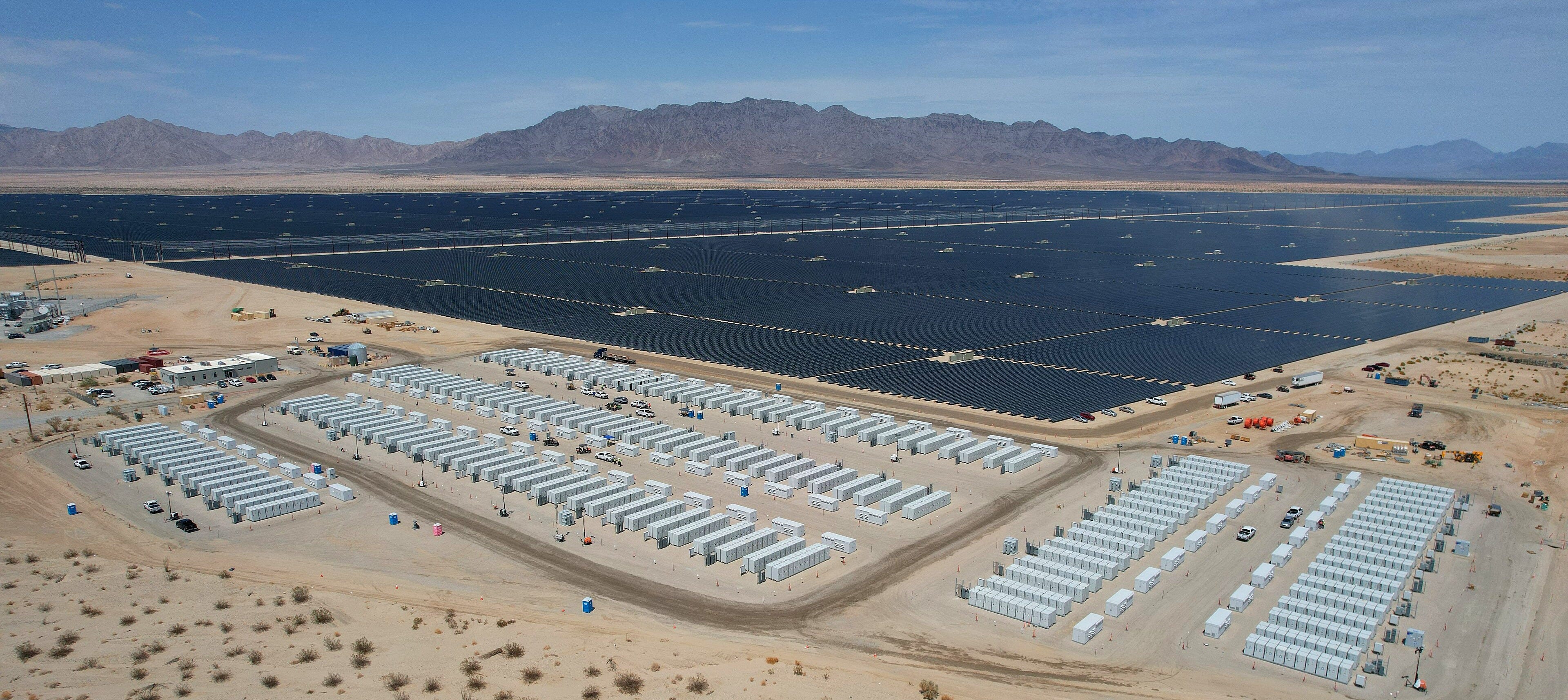
Solar photovoltaic cells are perhaps the most revolutionary technology in the history of energy. By allowing humanity to generate cheap, low-carbon electrons using only the sun’s rays as fuel, solar PV is likely to be the single-most important tool to help the world achieve net-zero emissions by 2050.
In 2025, the United States generated 8.5% of its electricity from solar—roughly in line with the global average. But within this continent-sized nation, there are quite a few over-achievers. Here are the top six US states ranked by share of electricity generated in-state by solar in 20251:
6. Vermont | ~17%
Tiny Vermont is the only state in the union that generates 100% of its electricity from renewable sources. Its electricity consumption, however, is around 80% renewable as it imports significant amounts of fossil gas-generated electrons from neighboring states.
To close that gap, Vermont is relying more and more on homegrown small-scale solar. Rooftop provides two-thirds of all solar generation and has plenty of room to grow with only 10% penetration.
5. New Mexico | ~17%
New Mexico is one of the sunniest states in America, but has historically lagged in the development of solar energy. No longer. By the end of 2025, solar’s share of in-state electricity generation had jumped from 8% to 17% in just two years.
The leap was due to a number of factors. Several large utility-scale projects came online to help fill the gap from retiring coal plants. A massive utility rate hike also increased interest in rooftop solar.
Earthview is a reader-supported publication devoted to climate change and the environment. Please consider a free or paid subscription to support the work we do and access premium content.
4. Hawaii | ~23%
America’s island paradise in the Pacific is a natural place for solar energy. Hawaii has no fossil fuel resources of its own. And importing fuel oil and diesel to power its aging fleet of oil-fired electricity plants is eye-wateringly expensive.
Faced with some of the highest utility bills in the country, Hawaiians naturally turned to rooftop solar. 45% of all single-family homes in Hawaii have solar panels—the highest rate of any state and ten times the national average.
Due to its isolation, however, Hawaii has more difficulty than most places integrating large amounts of solar production into its energy mix. Each of its six populated islands has its own grid. Solar’s intermittency thus cannot be balanced with firm imports from elsewhere. Storage, of course, is the solution. Batteries are quickly being deployed and could enable Hawaii to be nearly 100% solar powered in around a decade.
3. Massachusetts | ~26%
Massachusetts’ solar boom is driven more by policy than abundant resource. The state offers very generous solar subsidies, often paid as straight-up cash rather than via electricity bill credits.
With little spare land, the densely-populated Northeastern state has focused on rooftop solar. It’s also a pioneer in utility-scale installations on brownfield sites.
2. Nevada | ~34%
The bright lights of Las Vegas were once powered by coal, which until recently made up over half of Nevada’s electricity generation. Now they are increasingly lit with clean electrons harvested by massive solar farms along the city’s desert periphery.
Outside of Sin City, Nevada is a dry, mostly federally-owned desert that ranks among the sunniest places in the world. There is thus plenty of space to power the state’s budding metropolis with solar farms, and enough left over to make Nevada America’s solar export superpower—sending nearly 40% of its production to the much more populous state of California.
1. California | ~37%
In 2025, Texas officially took the crown of the state with the most utility-scale solar generation in TWh terms. But as a total share of electricity produced in-state, California remains the undisputed king of solar in the United States.
With large coastal cities and huge interior deserts, California has almost the perfect geography for the development of utility-scale solar. However, the state is no slouch when it comes to rooftop solar either—which is installed on around 25% of single-family homes and mandated for all new housing construction.
California relies on imports from other states to balance the intermittency of its solar generation—wind from New Mexico, nuclear and gas from Arizona, and hydro from the Pacific Northwest. Yet, like Texas, it is increasingly relying on utility-scale storage to timeshift solar consumption to the evening.
It was once predicted by so-called “energy realists” that no electric grid on Earth could function at more than 10% to 15% solar penetration. But solar now accounts for 37% of all electricity generated within California’s borders, and 28% of all electricity consumed. California has proved the doubters wrong.
Earthview is a reader-supported publication devoted to climate change and the environment. Please consider a free or paid subscription to support the work we do and access premium content.
Estimated from Ember’s monthly data. Final full-year figures not yet finalized.