


Monogamy is prevalent in humans, and encouraged by social norms in most societies. The default mating strategy in our own species, we often presume it must be common elsewhere in nature. In fact, it is not.
Monogamy is rare in animals. Only 3% to 5% of mammals are monogamous, a figure that does not include our closest genetic relatives - the chimpanzees and bonobos - both of whom are hyper-polygamous. Rates of monogamy in birds are much higher, but it is often social and not genetic in nature. Couples live together, but males often raise genetically unrelated chicks.
Monogamy is a unique, special evolutionary strategy. Here are six prominent species that break the mold and stay (mostly) faithful to one another:
6. Prairie Voles
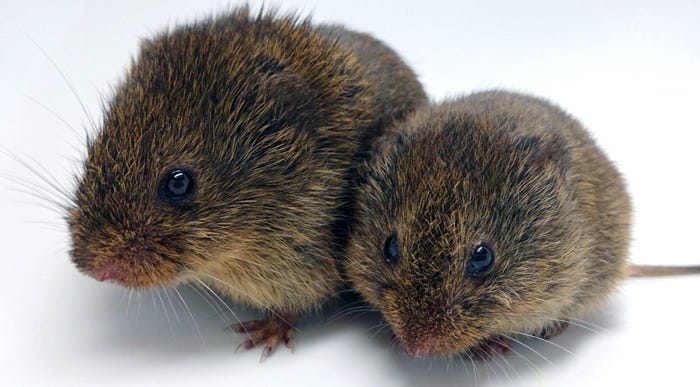
Prairie voles are famous for their role in unlocking the chemical secrets of monogamous behavior. While they pair up for life and both parents care for offspring, their close genetic cousins the Montane Voles (M. montanus) are entirely promiscuous. By studying the small genetic differences between the two species, scientists uncovered oxytocin and vasopressin - two neurochemicals also found in humans that promote pair-bonding.
Microtus ochrogaster |IUCN: Least Concern (LC)
5. French Angelfish
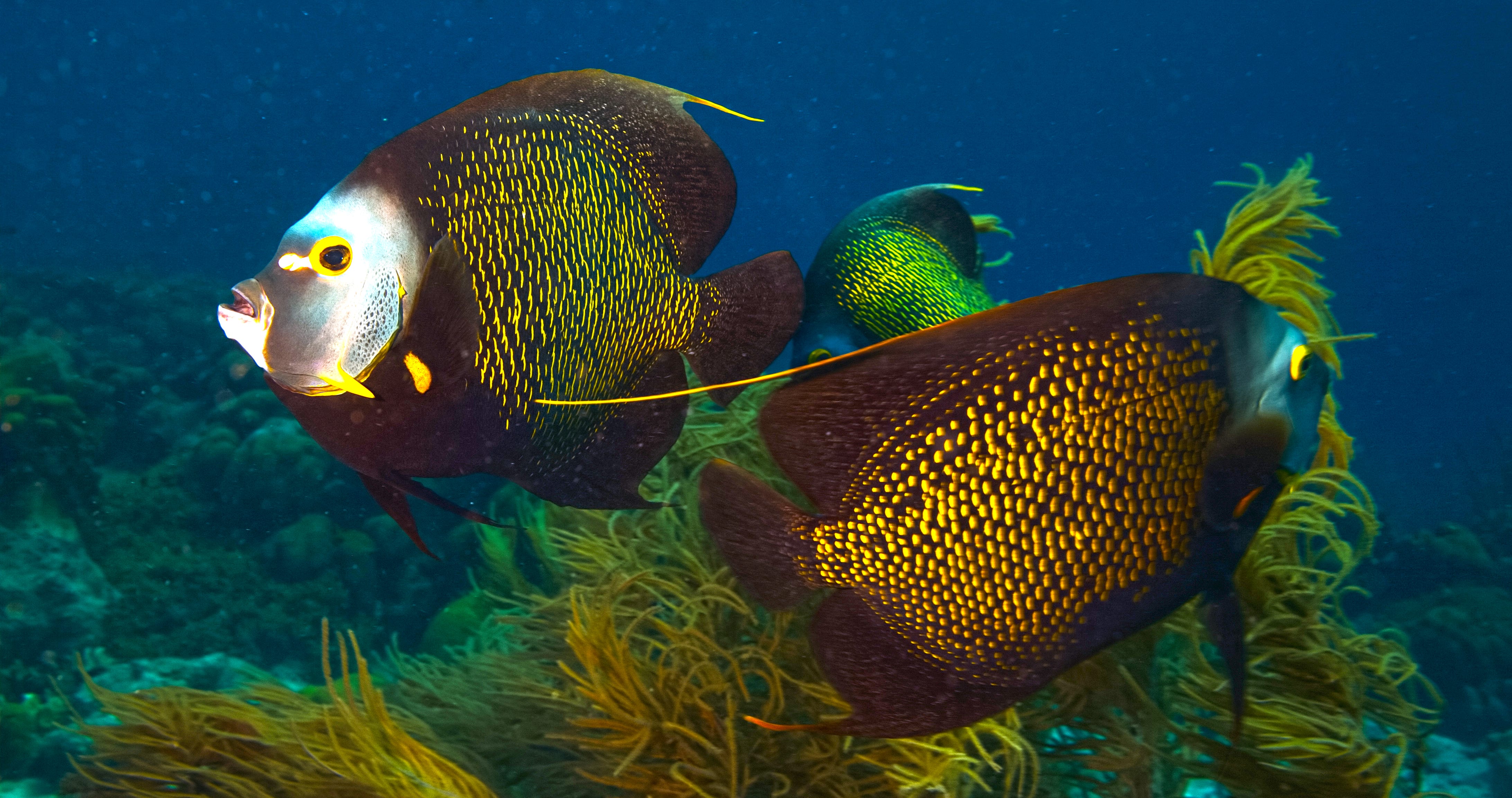
The French Angelfish is a rare example of monogamy among fish; individuals spend most of their lives swimming within inches of their partner. Pairs mate every day, sneaking off towards the surface to release their sperm and eggs into the water column simultaneously in a choreographed dance.
Pomacanthus paru |IUCN: Least Concern (LC)
4. Siamang
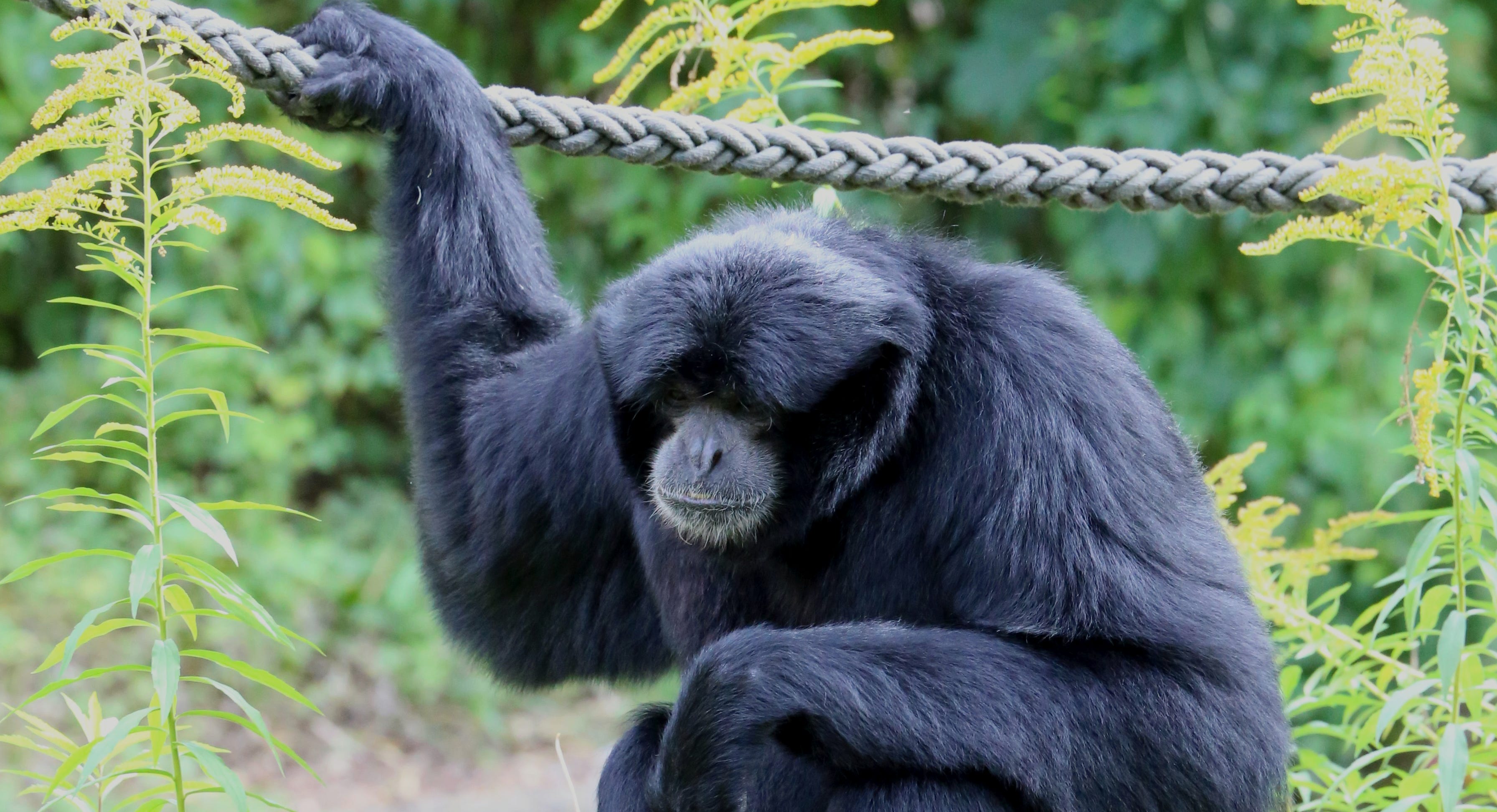
Siamangs are the most monogamous of all apes, beating out humans by some margin. Young single Siamangs wander the jungle alone, belting out a powerful mating song. When suitable partners find each other, the pair work on synchronizing their songs until they are identical. Afterwards, they are mated for life and rarely venture more than 10 m (33 ft) from one another. Though Siamangs exhibit absolute social monogamy, genetic evidence has uncovered some sexual cheating.
Symphalangus syndactylus |IUCN: Endangered (EN)
3. Macaroni Penguins
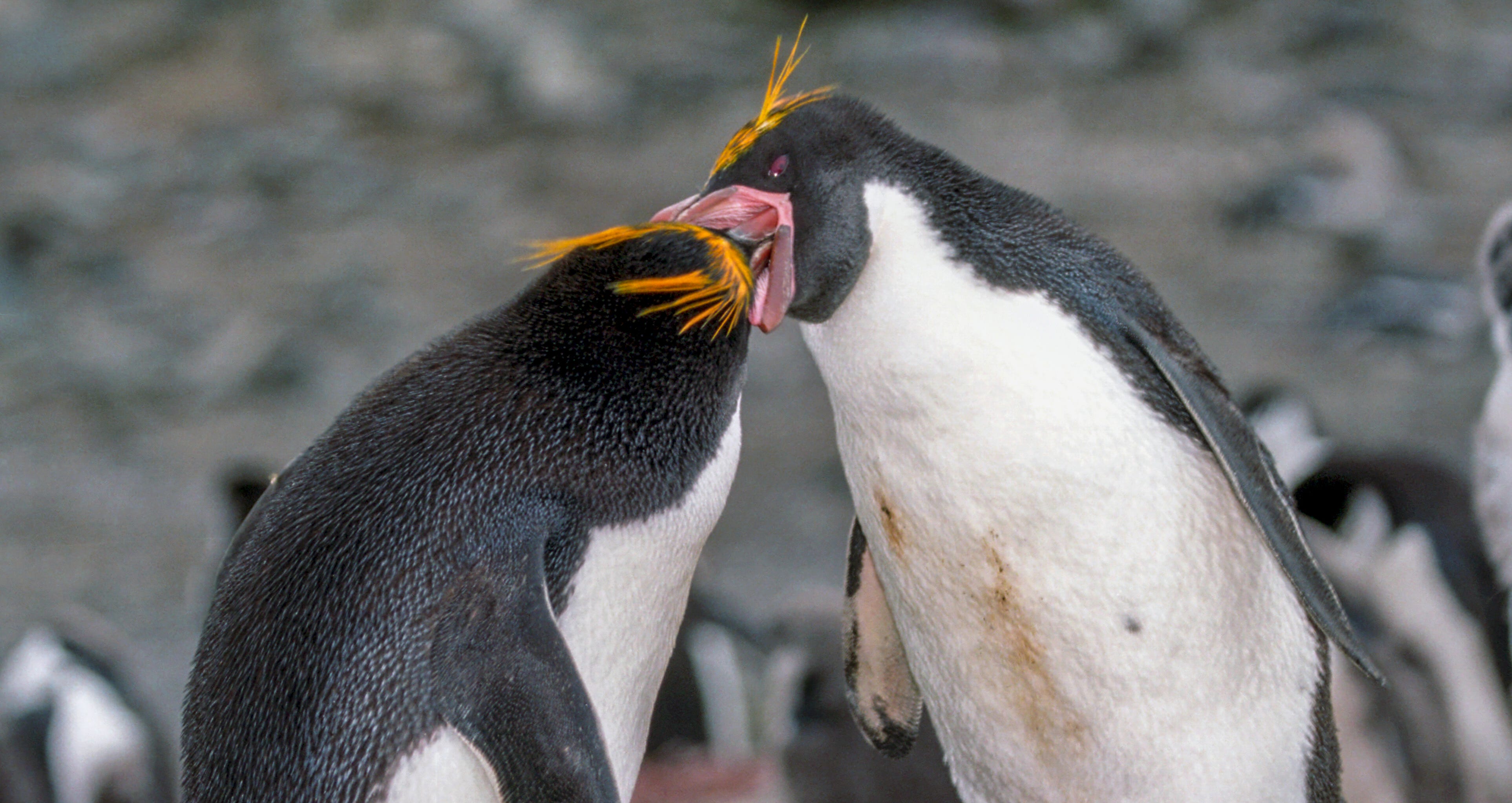
Macaroni Penguins spend much of their lives alone at sea. In a short window in late October and early November, they return to their breeding grounds on various Sub-Antarctic islands. There they rediscover their lifelong mate, whom they greet with an elaborate reunion dance.
Rates of cheating are extremely low, but if a mate fails to appear during mating season a partner may “divorce” quickly to not miss the short reproductive window.
Eudyptes chrysolophus |IUCN: Vulnerable (VU)
2. Laysan Albatross
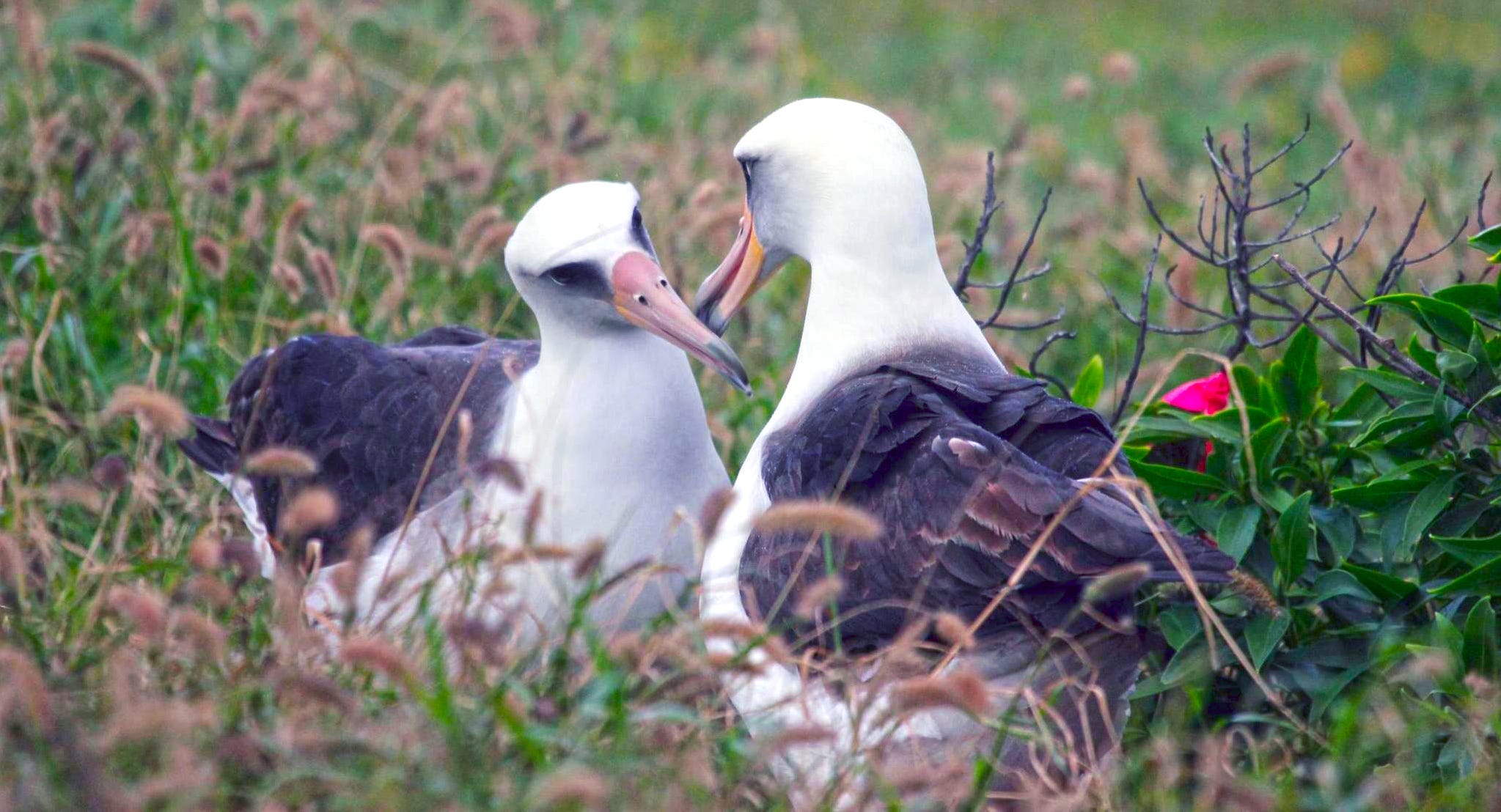
The Laysan Albatross mates for life, returning every year to the same nest from a soaring journey across the North Pacific. To ensure compatibility, they date for up to five years before settling down, sealing their union with an elaborate courtship dance. Females lay one egg a year - which is incubated by both partners. Divorce rates are nearly zero.
Phoebastria immutabilis |IUCN: Near Threatened (NT)
1. Shingleback Skinks
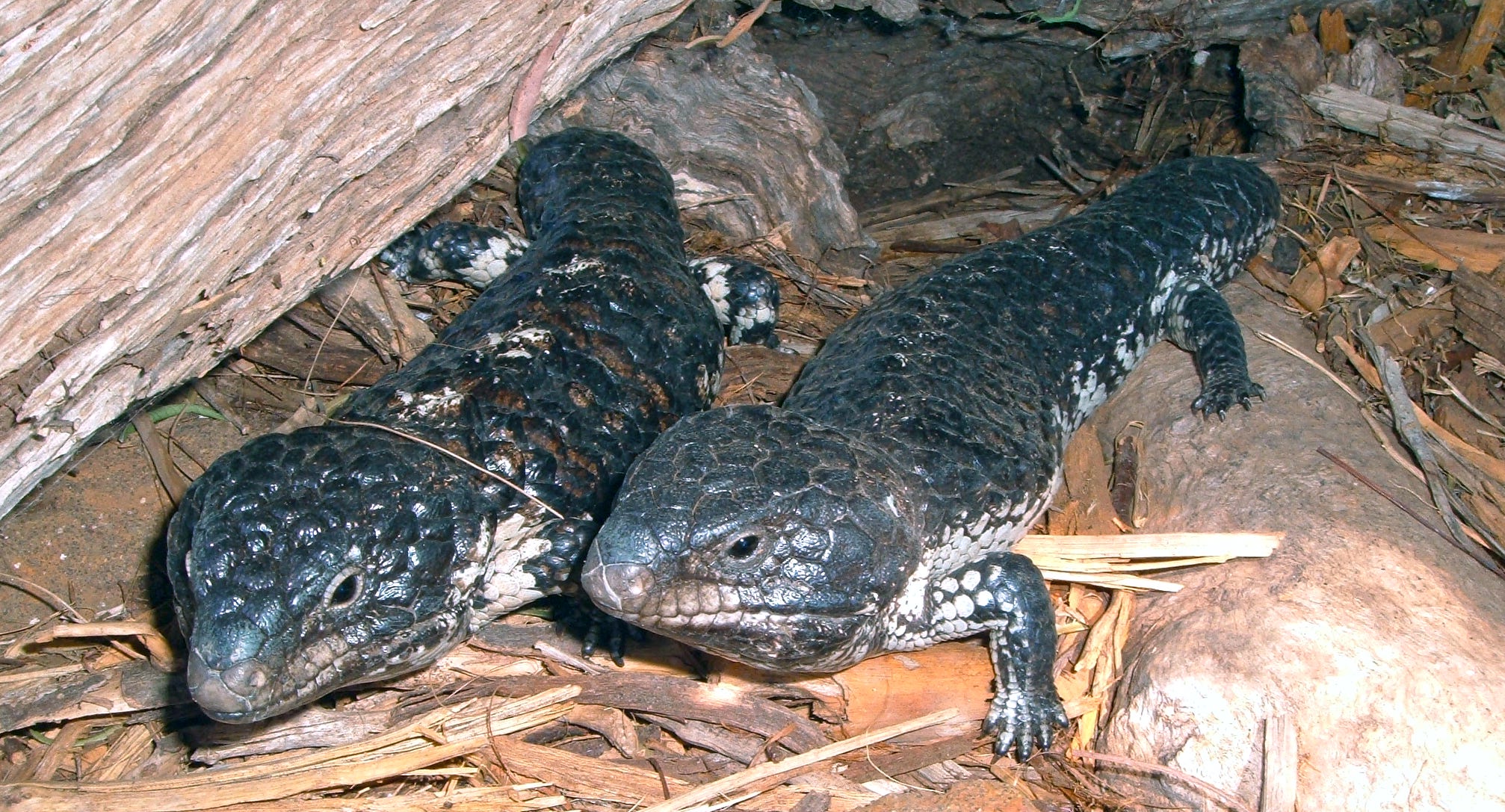
Shingleback skinks are lizards native to Australia and they may be the only truly monogamous reptile species on Earth. They mate for life, but spend most of the year alone - using scent clues to track down and reunite with their mate during mating season. Pairs lasting up to 27 years have been observed in the wild. When one partner dies, the other has been found standing beside its dead body for days, trying to nudge their beloved back to life.
Tiliqua rugosa |IUCN: Least Concern (LC)
Get Earthview in your inbox:
And consider a paid subscription to access premium content and support the work we do!