


A lake is a large body of water surrounded by land. Lakes are the lifeblood of inland aquatic ecosystems, and their isolation makes them biodiversity engines for a wide array of species. Together, lakes cover about 2% of the Earth’s surface. Yet they sustain roughly 10% of all known animals and nearly 40% of all known fish species.
Most lakes are freshwater and thus also provide humans with potable water for drinking and irrigation.
Here are the 13 largest lakes in the world, ranked by volume:
13. Titicaca
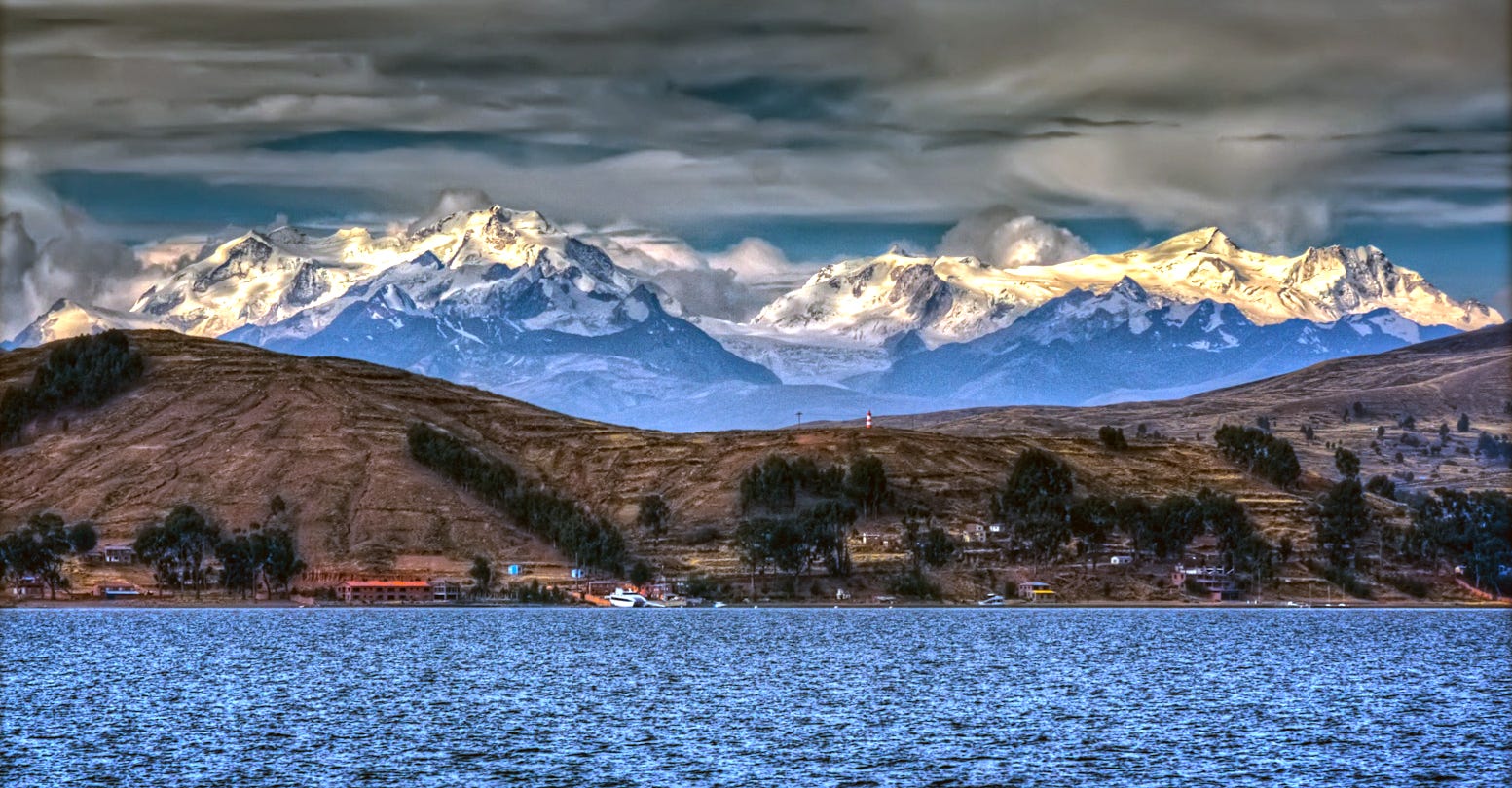
Volume: 896 km3 (215 cu mi)
High in the Andes Mountains between Bolivia and Peru lies Lake Titicaca - the largest lake in South America. The origin of its name - a source of humor for English-speaking children - is unknown. It could have derived from thakhsi cala, the Aymara language name of a sacred rock sculpture on one of the lake’s islands.
Titicaca’s surface elevation of 3,812 m (12,507 ft) gifts it the splendid isolation requisite for extreme biodiversity. The lake is home to hundreds of aquatic species, including the Titicaca Water Frog (Telmatobius culeus) and dozens of endemic fish and snails.
12. Great Slave
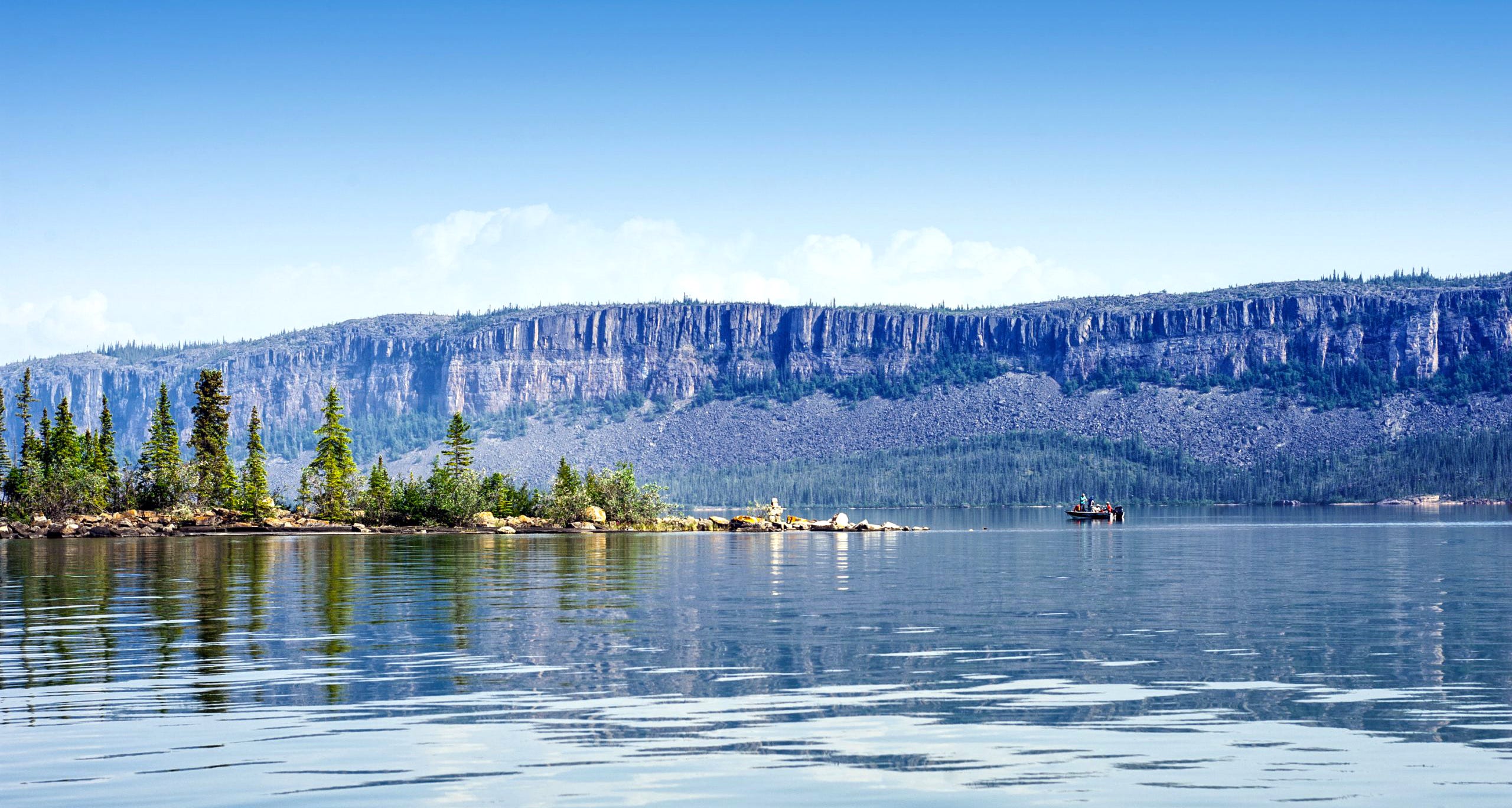
Volume: 1,115 km3 (268 cu mi)
Another large lake with an unusual name is Great Slave - which lies in Canada’s Northwest Territories. The territory’s capital Yellowknife lies on its northern shore. Yet the vast wild expanse of the Great Slave remains mostly unspoiled and ecologically intact.
The lake is named for the nearby Slavey people. The Slavey were enemies of the Cree, who called them Awokanak, meaning ‘slave’. This name was translated first to French as ‘esclave’ and later to English as ‘slavey’. The Slavey people call themselves Dehcho Dene.
Unsurprisingly, thought has been given to changing the lake’s name. The Dehcho Dene term - Tucho - has been suggested.
11. Ontario
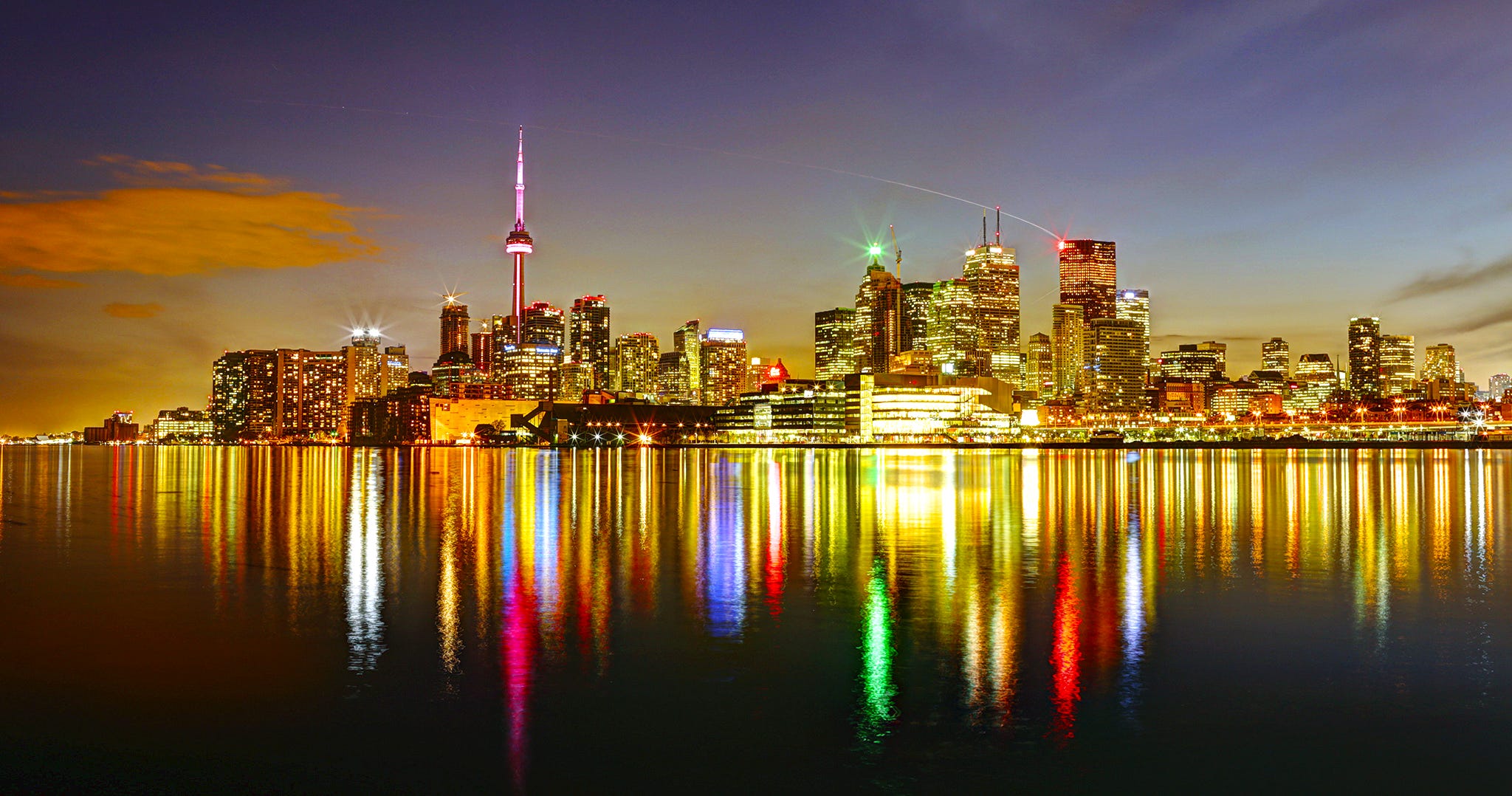
Volume: 1,631 km3 (391 cu mi)
One of North America’s iconic Great Lakes, Lake Ontario is shared between the United States and Canada. It is separated from Lake Erie by Niagara Falls and is connected to the Atlantic Ocean via the St. Lawrence Seaway.
Lake Ontario is home to one of the world’s great metropolises - Toronto - which dominates its northwestern shore. Its name - which means ‘beautiful lake’ in the Huron language - is shared with Canada’s most populated province.
10. Issyk-Kul
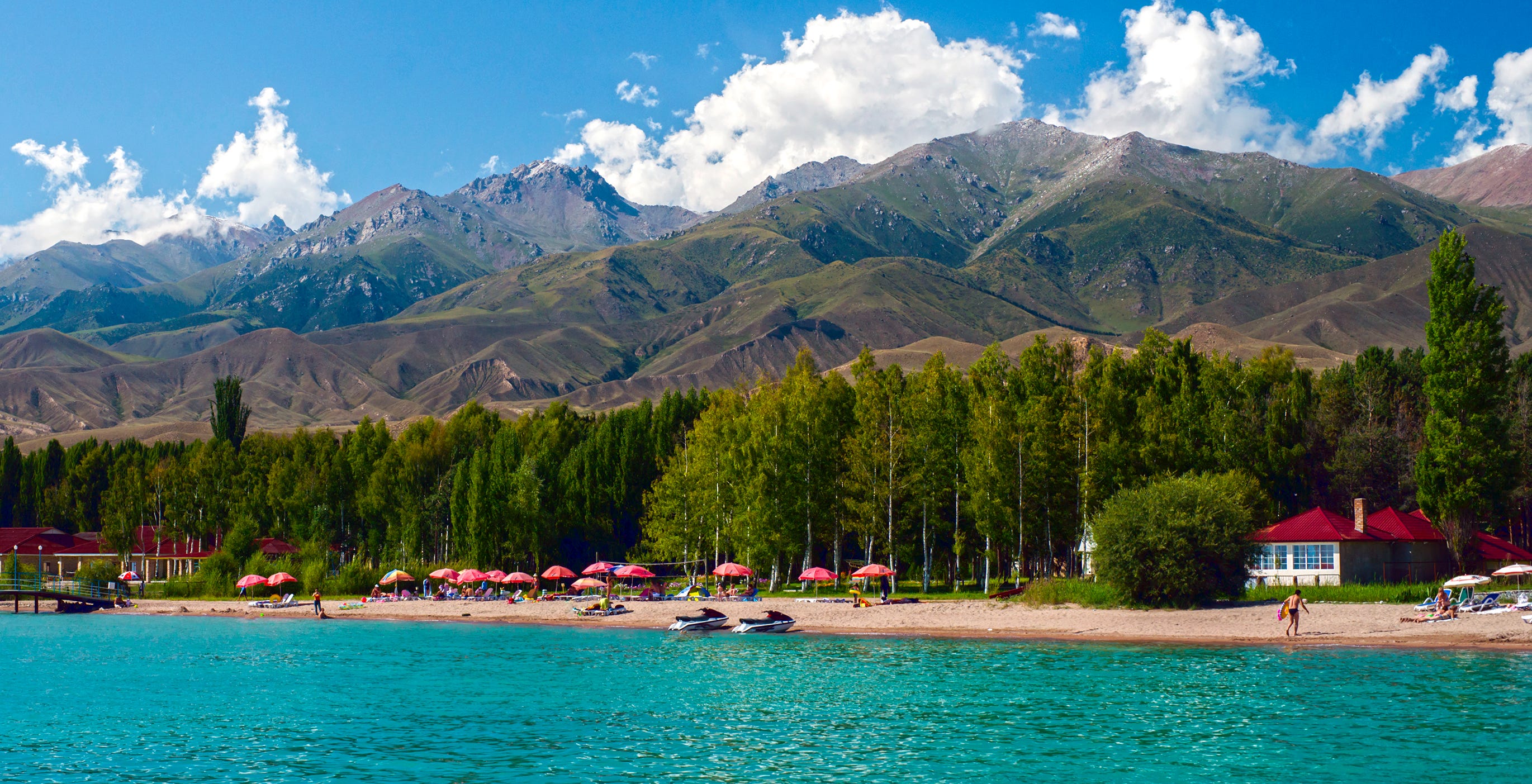
Volume: 1,736 km3 (416 cu mi)
One of the lesser-known names on this list, Issyk-Kul dominates the geography of northeastern Kyrgyzstan. Its name means ‘hot lake’ in the local language, so-called because its waters never freeze despite the harsh winter climate. This is mostly because its waters are mildly saline - about one-sixth the salinity of the ocean - and its enormous depth stores heat through winter.
9. Great Bear
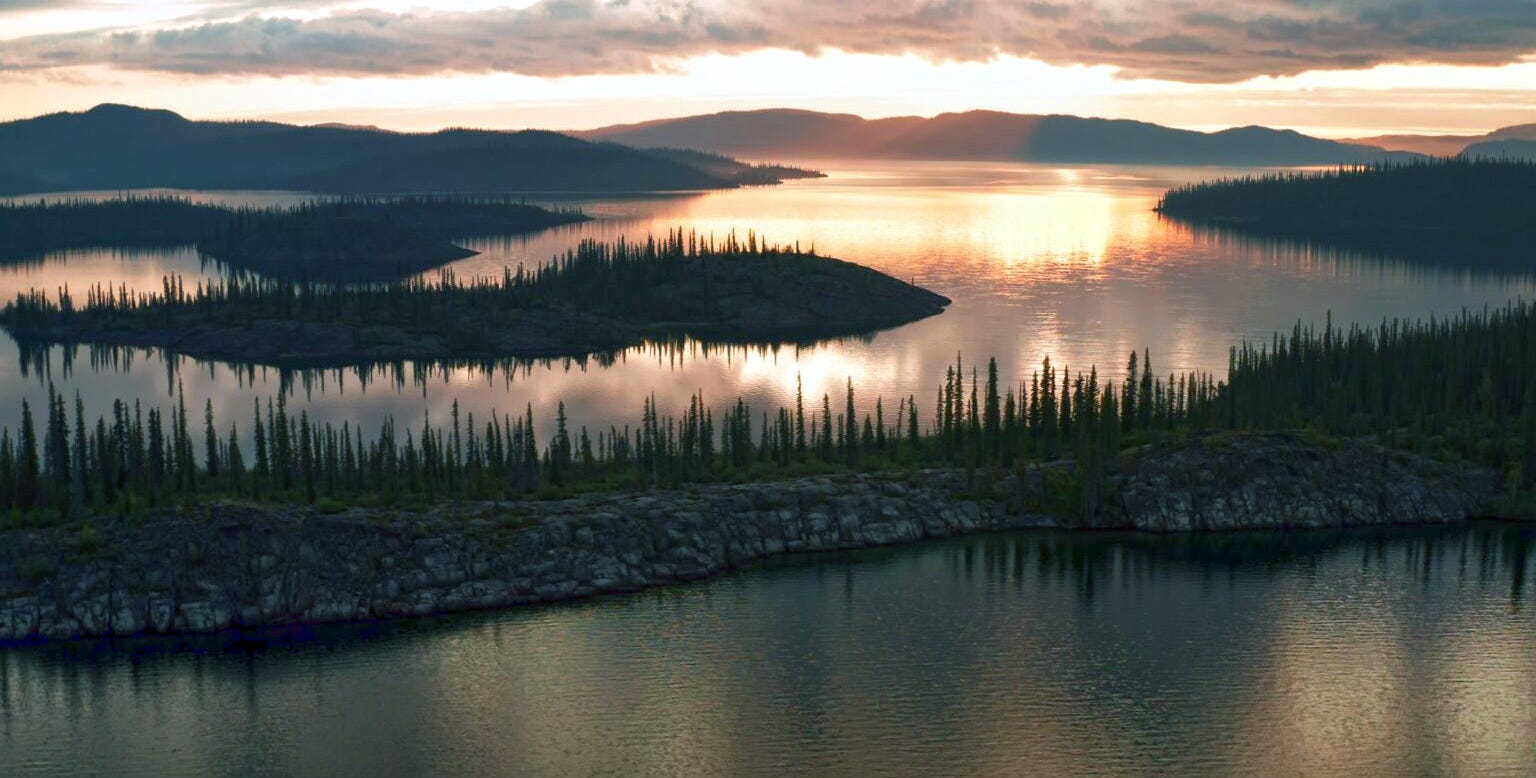
Volume: 2,234 km3 (536 cu mi)
Due northeast of Canada’s Great Slave Lake lies the even more desolate and untouched Great Bear Lake. Despite a surface area the size of Belgium, fewer than 1,000 people live along its shores.
In winter, the Deline Ice Road provides a vital lifeline to these remote communities. The lake has found unlikely fame in the reality television series Ice Road Truckers.
8. Victoria
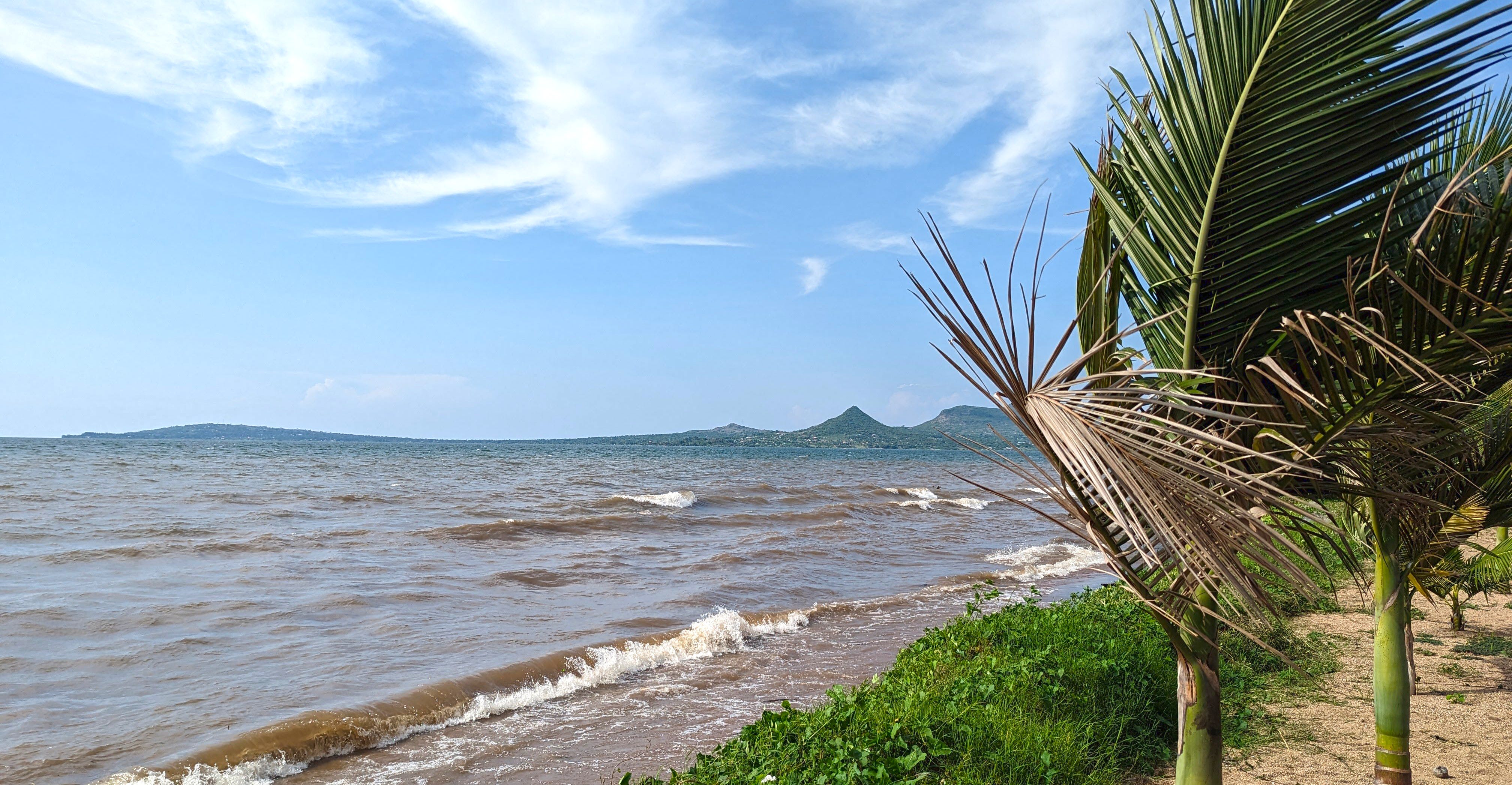
Volume: 2,420 km3 (580 cu mi)
Lake Victoria is one of the African Great Lakes and is divided between Tanzania (49%), Uganda (45%) , and Kenya (6%). It is an extremely biodiverse place for fish - home to at least 500 unique endemic species with several hundred more estimated to be as yet undiscovered.
7. Vostok
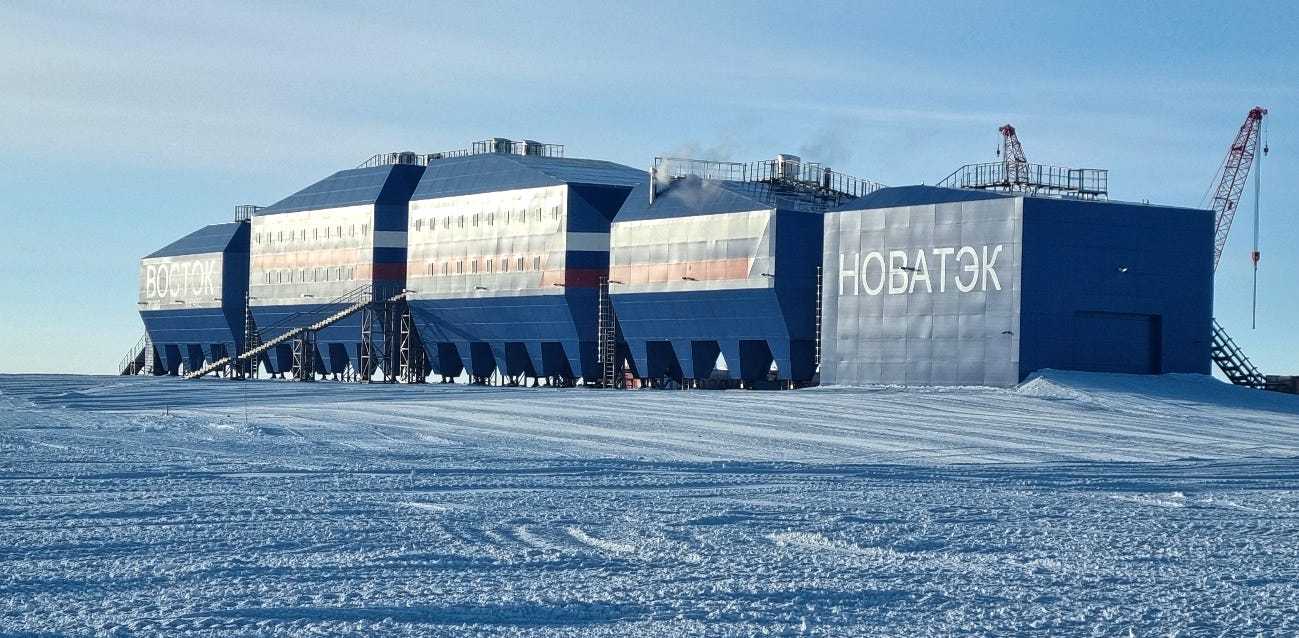
Volume: 5,400 km3 (1,295 cu mi)
Lake Vostok is the largest known subglacial lake on Earth - a massive body of freshwater comparable in volume to one of North America’s Great Lakes sitting beneath 4 km (2.5 mi) of Antarctic ice.
Scientists are fascinated by its isolated ecosystem. The Soviet Union established a research station above the lake in 1957 and ice cores from the site have proven invaluable to climate scientists. In 1983, Vostok Station recorded the coldest temperature ever measured on Earth at -89.2° C (-128.6° F).
Get Earthview in your inbox:
And consider a paid subscription to access premium content and support the work we do!
6. Michigan-Huron
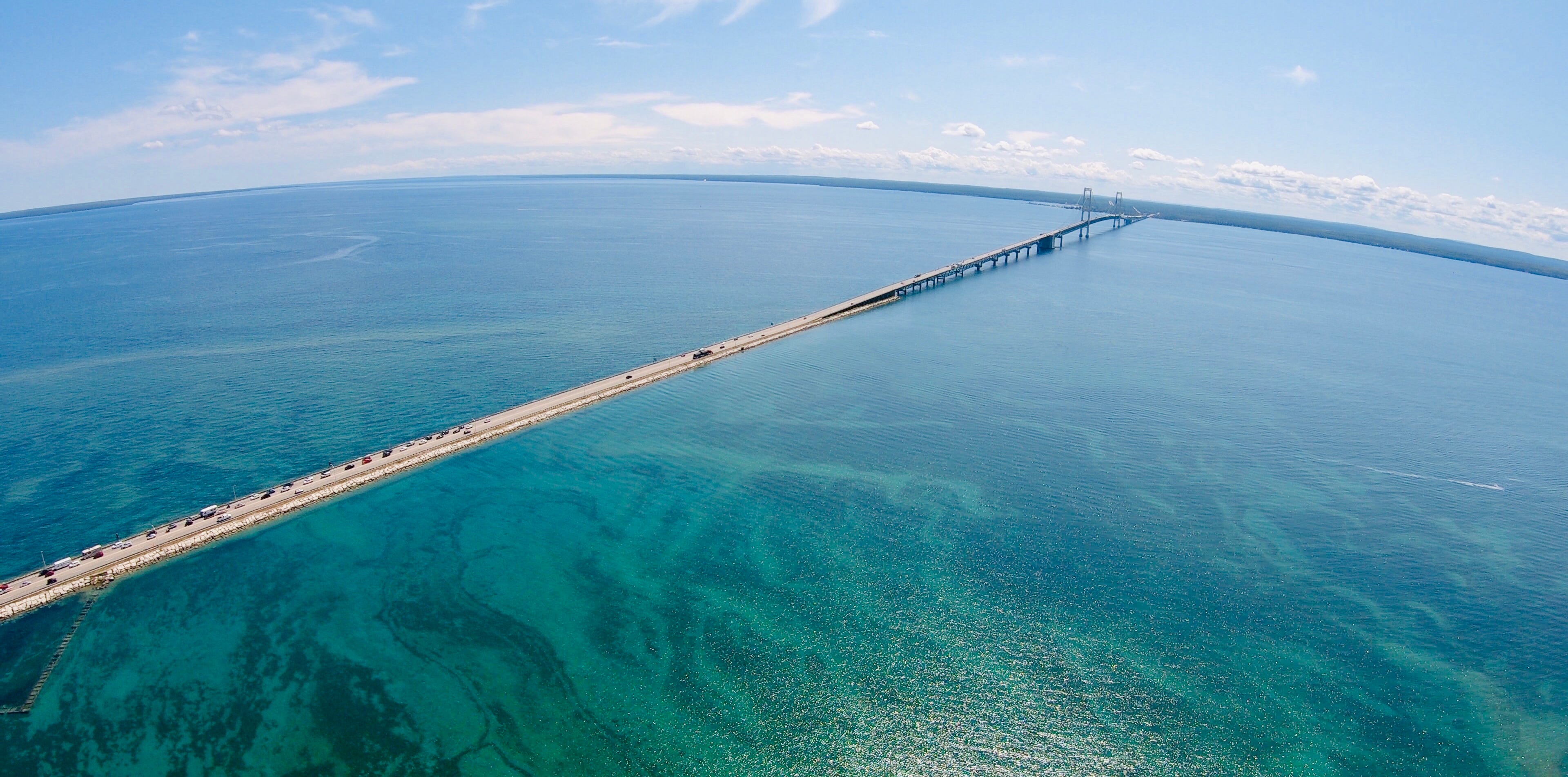
Volume: 8,450 km3 (2,020 cu mi)
Lake Michigan and Lake Huron are typically thought of as separate lakes - but hydrologically they are in fact a single lake connected by the Straits of Mackinac. The combined Lake Michigan-Huron is the largest freshwater lake in the world when measured by area.
The lake’s southerly reaches are heavily urbanized, with the waterfront cities of Chicago and Milwaukee totalling 11 million people. But its northern coast - particularly the Canadian side - remains sparsely populated and wild.
5. Malawi
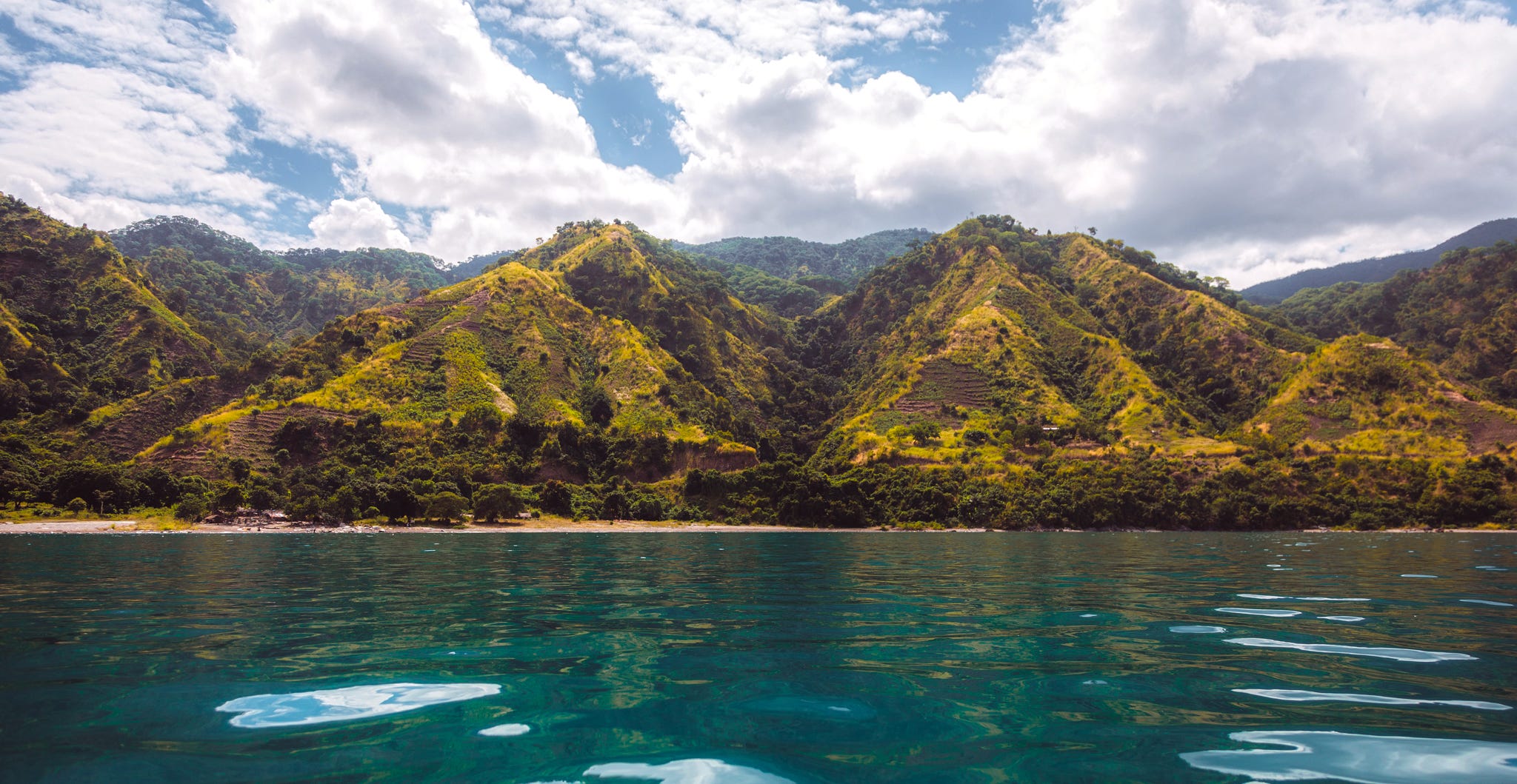
Volume: 8,640 km3 (2,070 cu mi)
An ancient rift lake, Lake Malawi is known as Lake Nyasa in Tanzania and Lago Niassa in Mozambique. It is shared between the three countries - and the border separating Malawi and Tanzania is disputed.
There are an estimated 1,000 species of cichlid fish in the lake - a remarkable radiation that attracts world-class divers from around the world who flock to this ‘freshwater aquarium’.
4. Superior
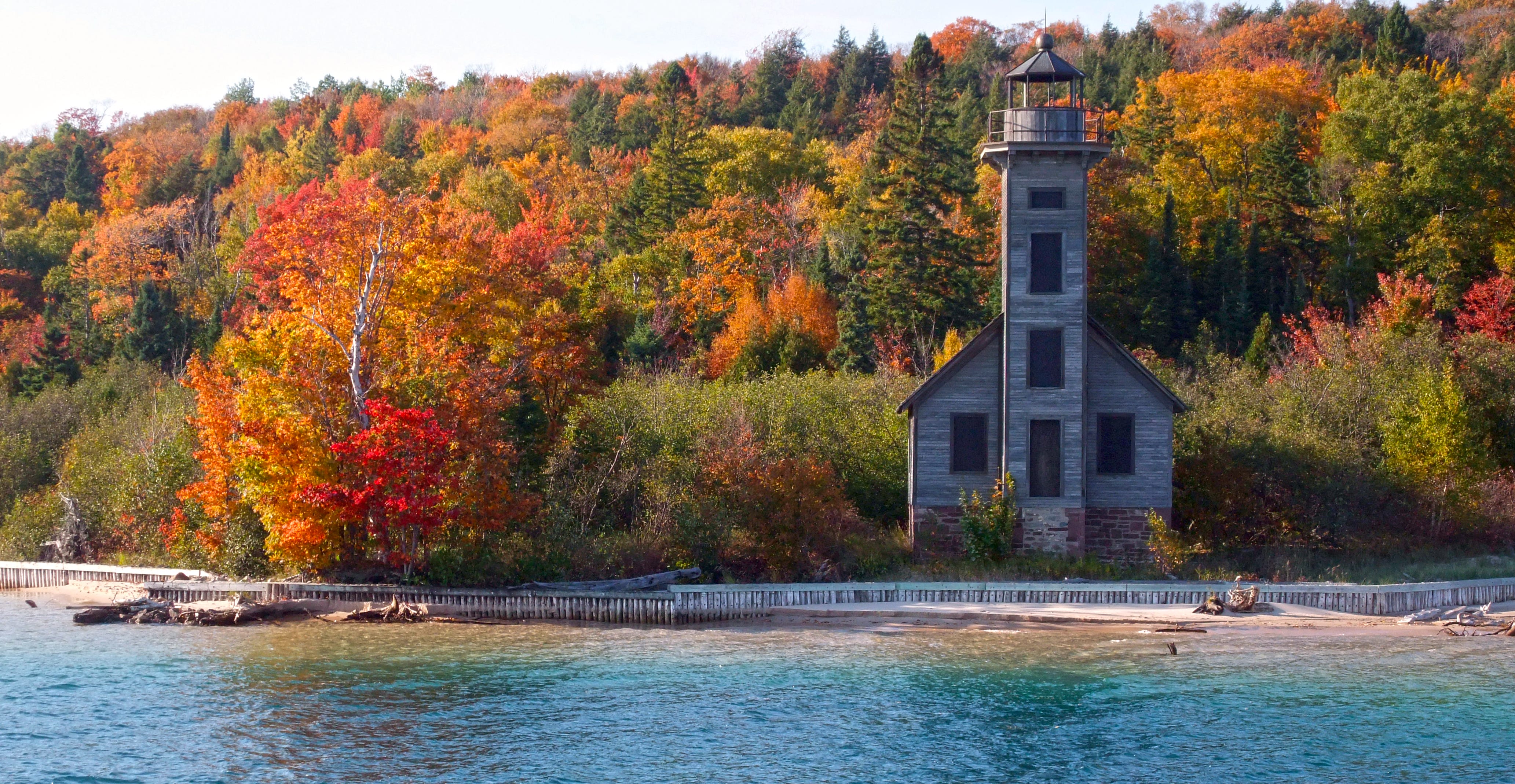
Volume: 12,070 km3 (2,900 cu mi)
Lake Superior is the largest and most inviolate of North America’s Great Lakes. Scattered along its littoral are a few small cities and thousands of miles of unspoilt lakeshore - including Pictured Rocks National Lakeshore in Michigan.
Lake Superior is famous for its mining industry and the ships that transport its iron and copper. The Soo Locks have since 1855 allowed goods to transit into Lake Michigan-Huron and further onward.
3. Tanganyika
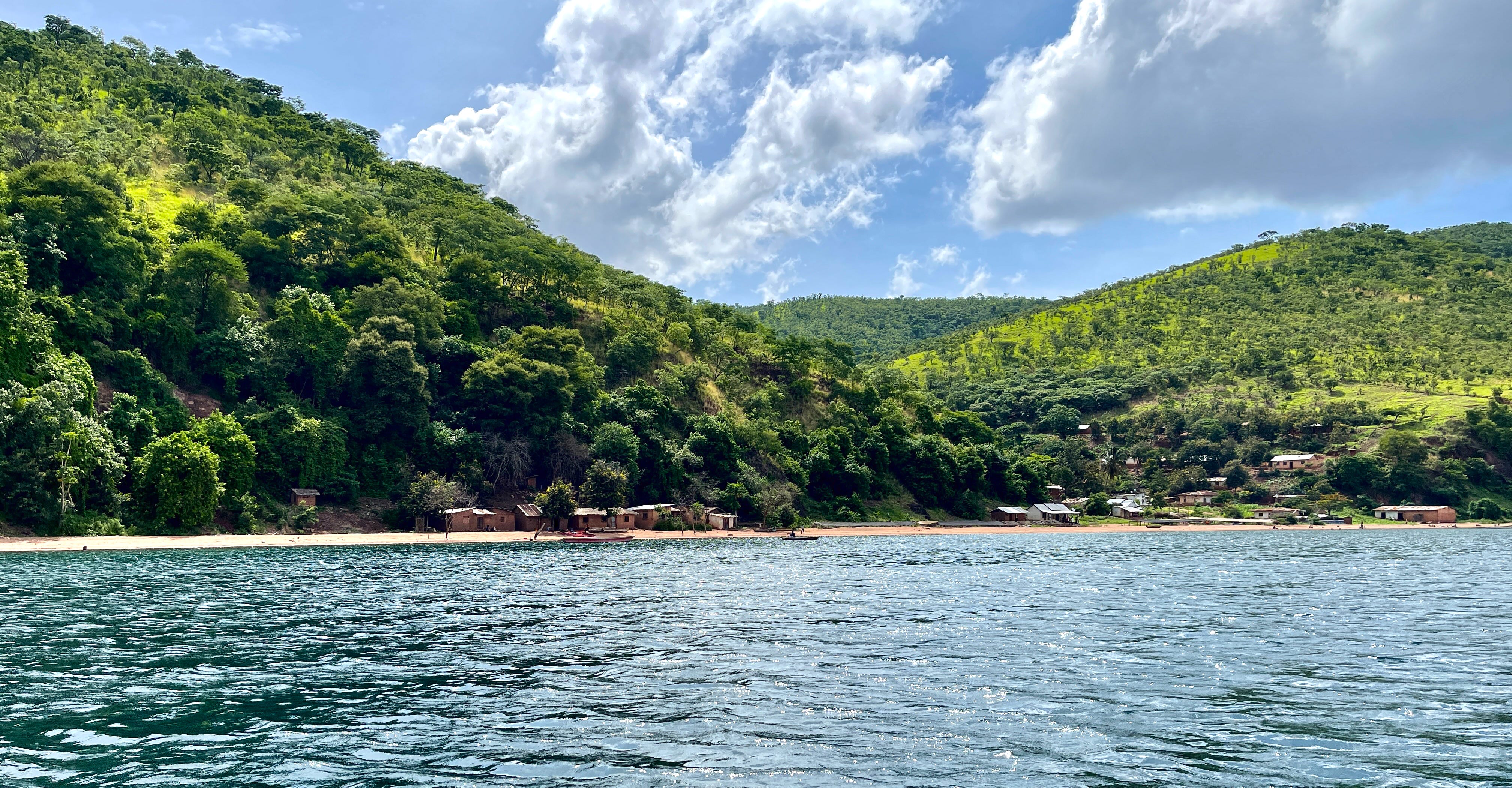
Volume: 18,750 km3 (4,500 cu mi)
Shared between the African countries of Tanzania, the Democratic Republic of Congo (DRC), Burundi, and Zambia - Lake Tanganyika is the largest and deepest lake in Africa.
It is home to a wide variety of wildlife including Nile Crocodiles (Crocodylus niloticus), the Banded Water Cobra (Naja annulata), hundreds of endemic fish.
2. Baikal
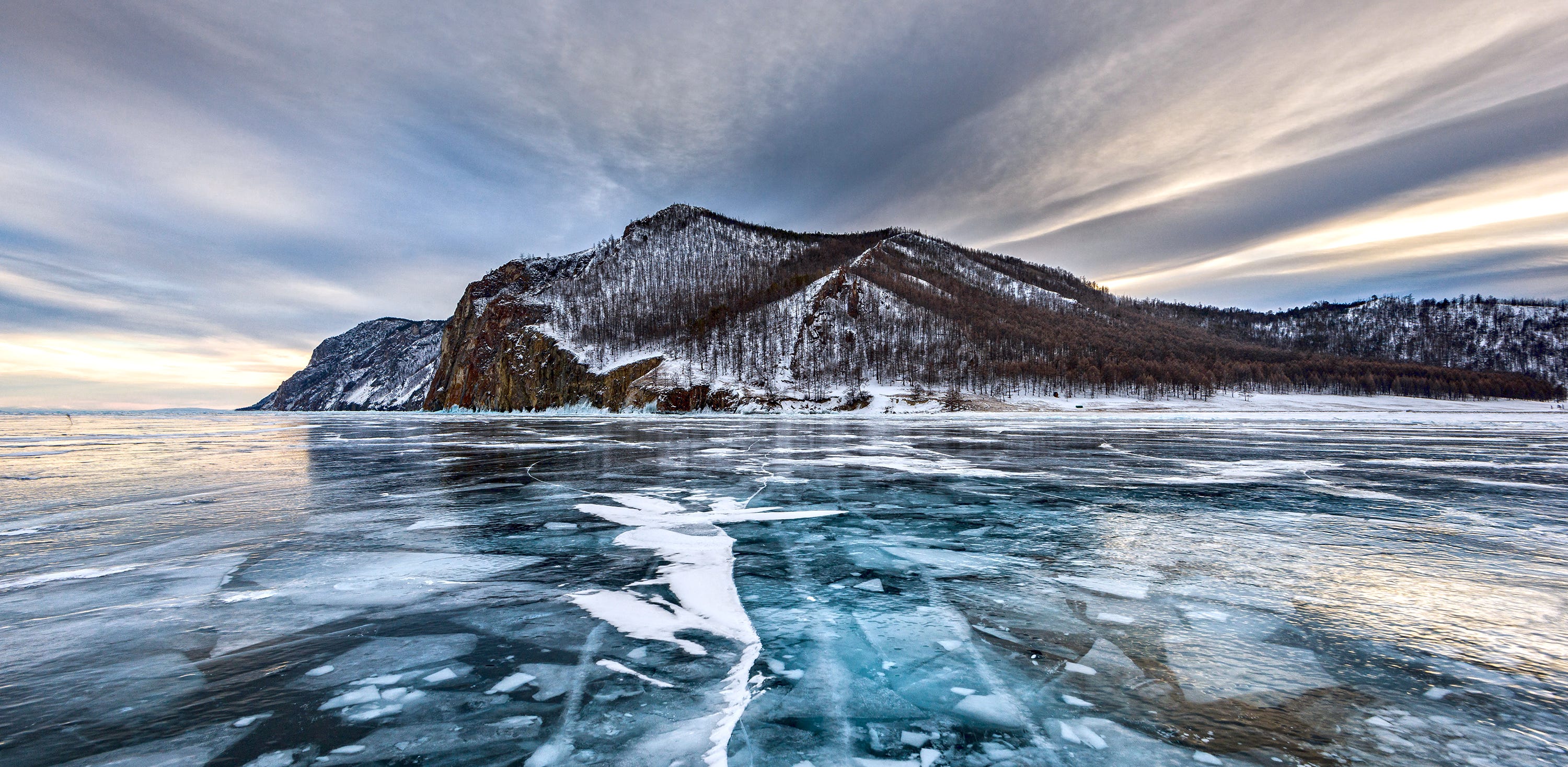
Volume: 23,610 km3 (5,660 cu mi)
Lake Baikal in southern Siberia is the deepest lake in the world - reaching depths of 1.6 km (1 mi). It is also the oldest lake in the world, having formed 25 - 30 million years ago.
Half a million people now live in Irkutsk, on the lake’s southern shore. But over geologic time, isolation made this place a paradise for endemism. It is home to an especially large radiation of freshwater crustaceans and the only freshwater seal in the world.
1. Caspian Sea
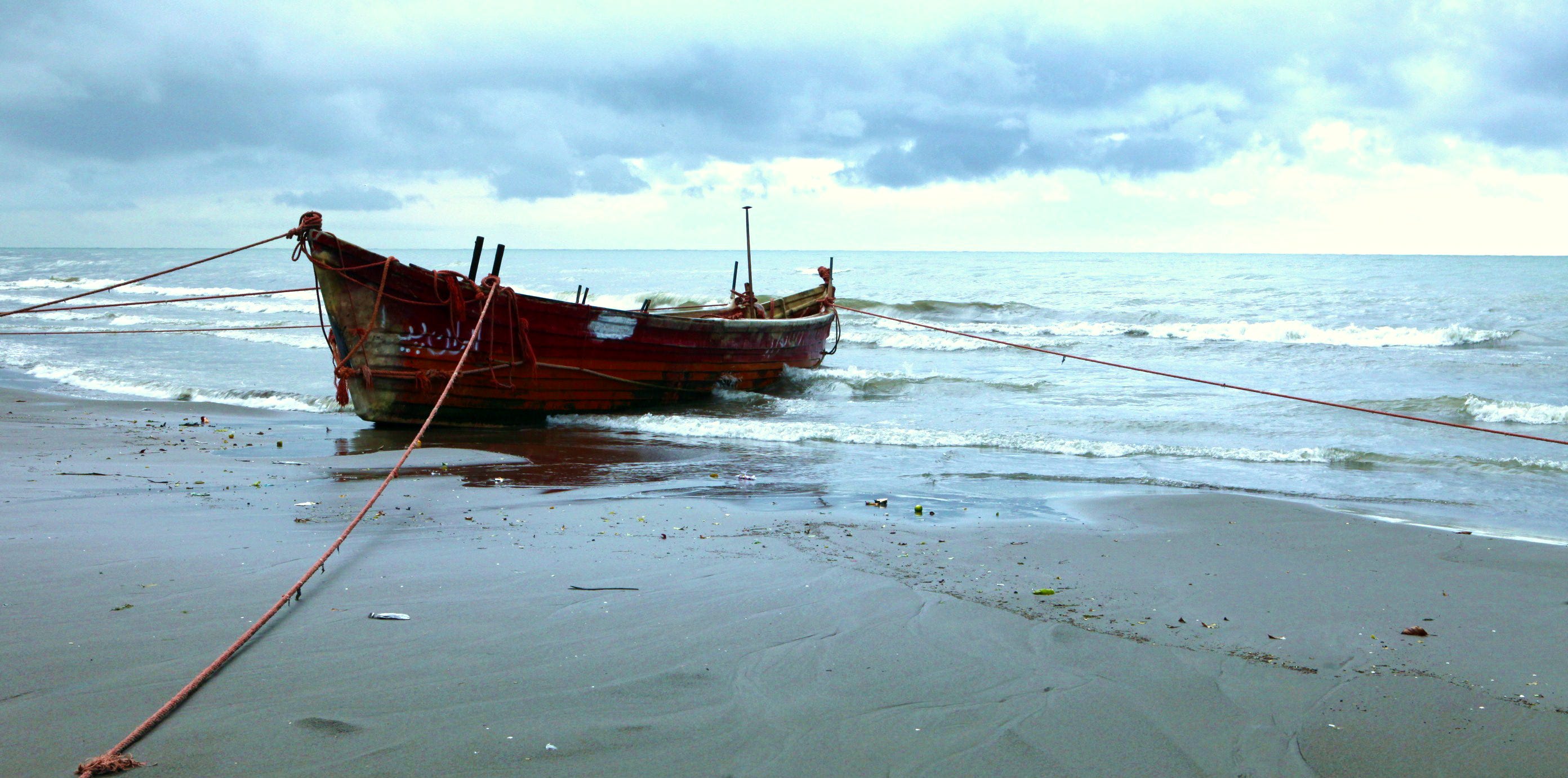
Volume: 78,200 km3 (18,800 cu mi)
The Caspian Sea perfectly fits the definition of a lake, but due to its salinity and extremely large size it has historically been referred to as a sea. It is three times larger than Lake Baikal by volume and five times larger than Lake Superior by area. It accounts for over 40% of all the world’s combined lake waters.
The Caspian is shared between Russia, Kazakhstan, Turkmenistan, Iran, and Azerbaijan. Its waters are brackish, with about half the salinity of the ocean. Its most famous endemic species is the Beluga Sturgeon (Huso huso) - source of the world-famous caviar.
Get Earthview in your inbox:
And consider a paid subscription to access premium content and support the work we do!