


Solar photovoltaic energy generates reliable, cheap, low-carbon electricity at scales ranging from massive 5 GW farms, to residential rooftops, to tiny portable backup generators. It is by a long way the best energy technology ever invented and the single biggest tool in humanity’s arsenal to fight climate change.
Solar generated about 8.8% of electricity globally in 2025, and posted a 31% increase over the year prior.1 Some places - like Australia, Chile, Greece, and Spain - get more than 20% of their electricity from solar.2
And yet despite all this success - myths about solar energy abound. It directly competes with the fossil fuel industry, which has funded a vast disinformation campaign aimed at disparaging its most serious competitor. Myths, lies, and untruths about solar abound on social media.
Here are eleven solar energy myths debunked:
11. Drains The Sun
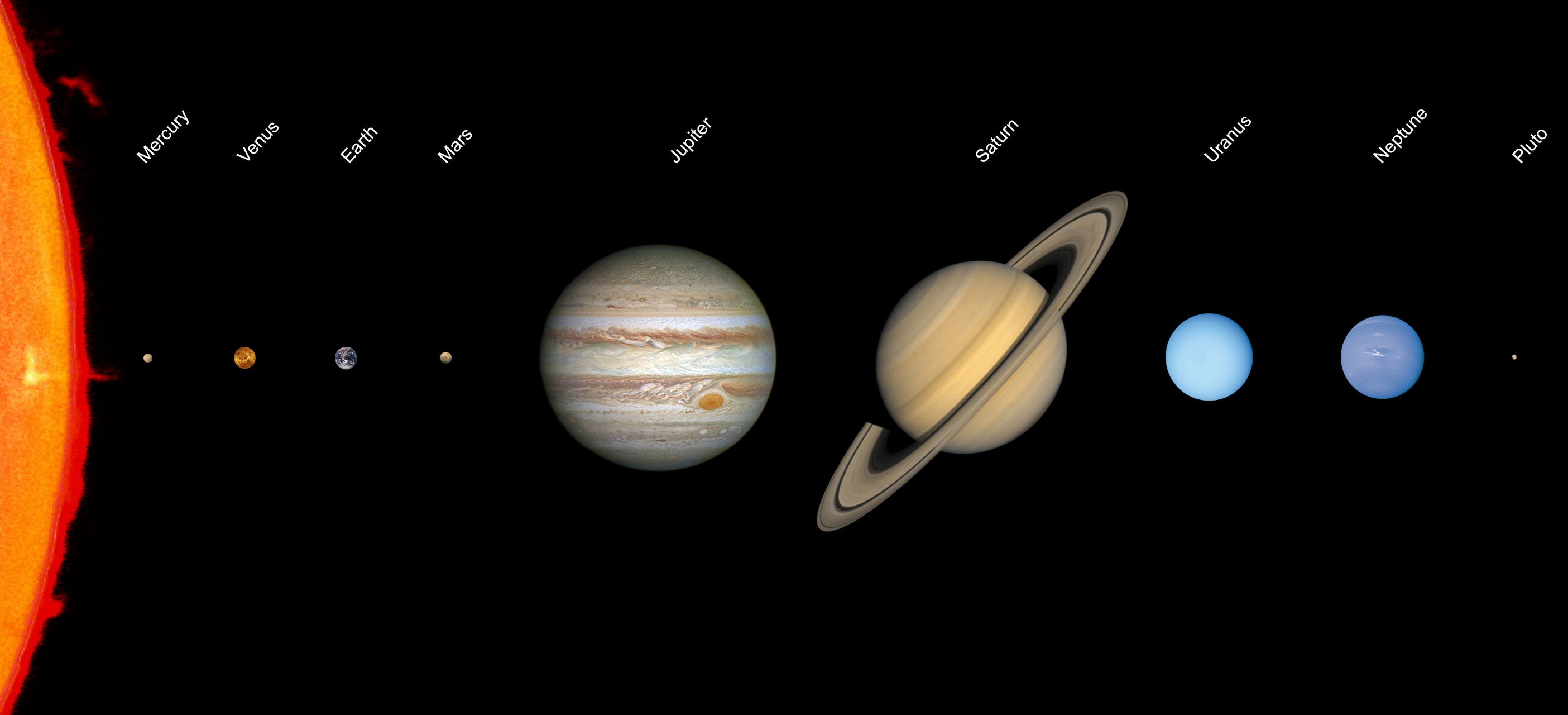
As strange as it might seem to the scientifically literate, one of the more pervasive myths about solar energy is that it “drains the sun” of its energy. According to this theory, solar panels deplete the star at the center of our solar system of its vitality and will leave it dead and lifeless in just a few centuries.
This assertion is, of course, nonsense. The Earth is 1.3 million times smaller than the Sun. Nothing that happens on the surface of Earth affects our star. Additionally, the Sun is not a battery that can be drained. Rather, it generates energy de novo via fusion and radiates that energy into the universe. What happens to solar radiation after it departs the Sun has no impact whatsoever on the star’s internal dynamics or longevity.3
10. Explodes Birds
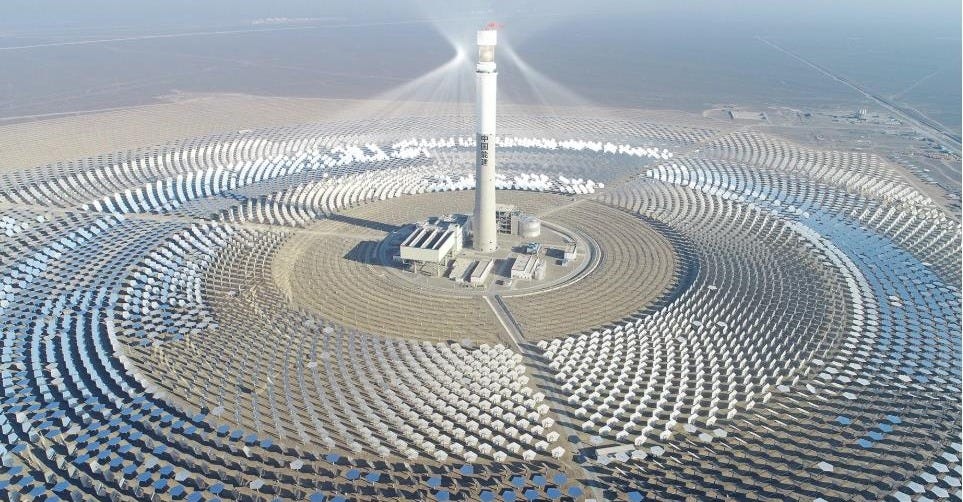
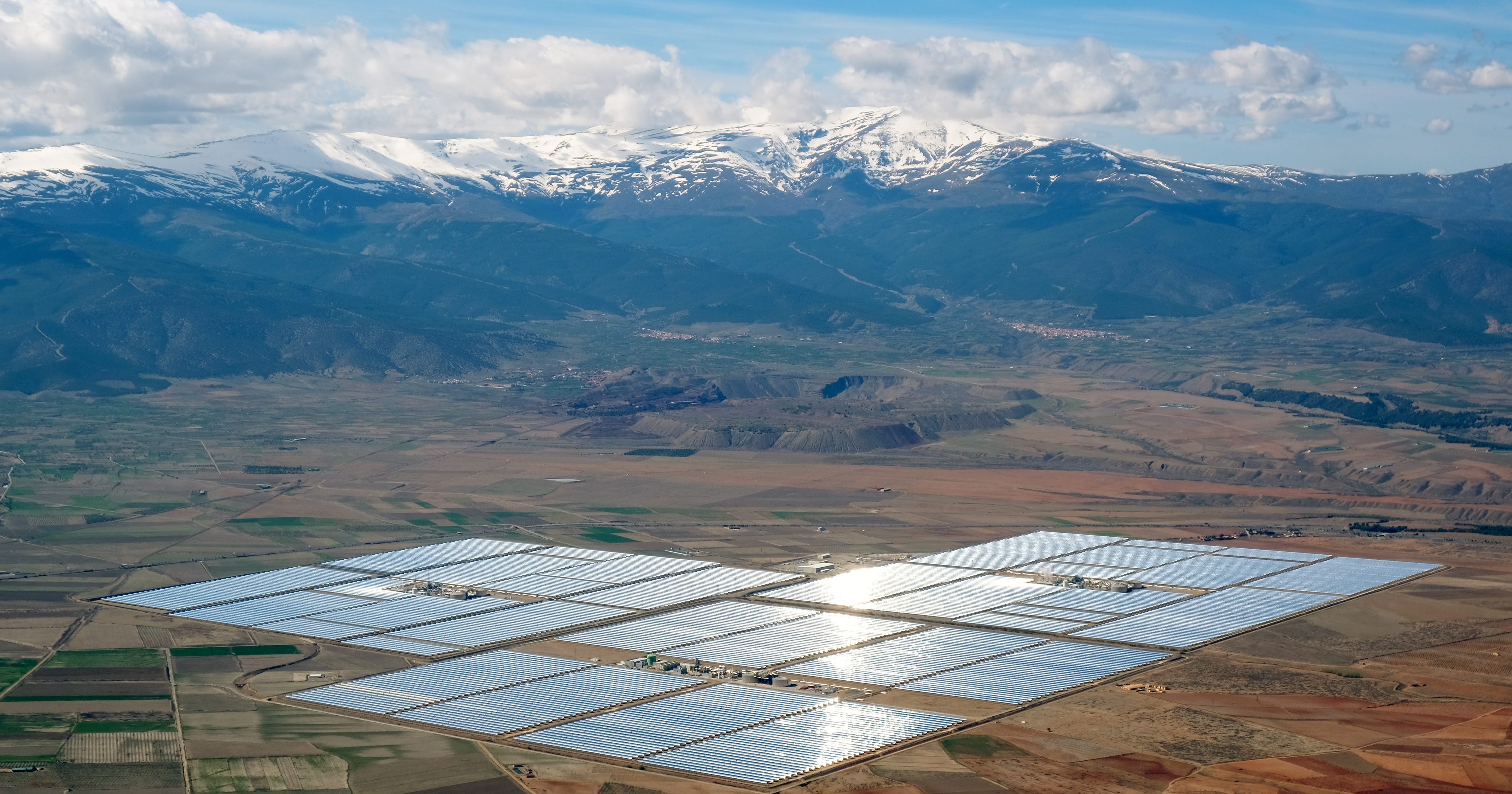
Anti-solar misinformation on social media often features the dramatic claim that solar PV panels “explode birds.” The root of this claim lies in an older, little-used solar energy technology called Solar Concentrating Power (CSP). CSP uses a massive array of mirrors to concentrate heat, which is then used to generate electricity. The heat from these plants can indeed singe birds, damaging their feathers and causing them to fall from the sky. They do not, however, explode.4
There is nothing extraordinary about human structures killing birds. Buildings, windows, vehicles, power lines, and cats all pose a larger danger to birds than CSP plants. And in any case CSP represents a tiny and decreasing percentage of solar energy. The vast majority of solar energy comes from solar photovoltaic technology, which poses no such danger.
9. Doesn’t Work When Cloudy
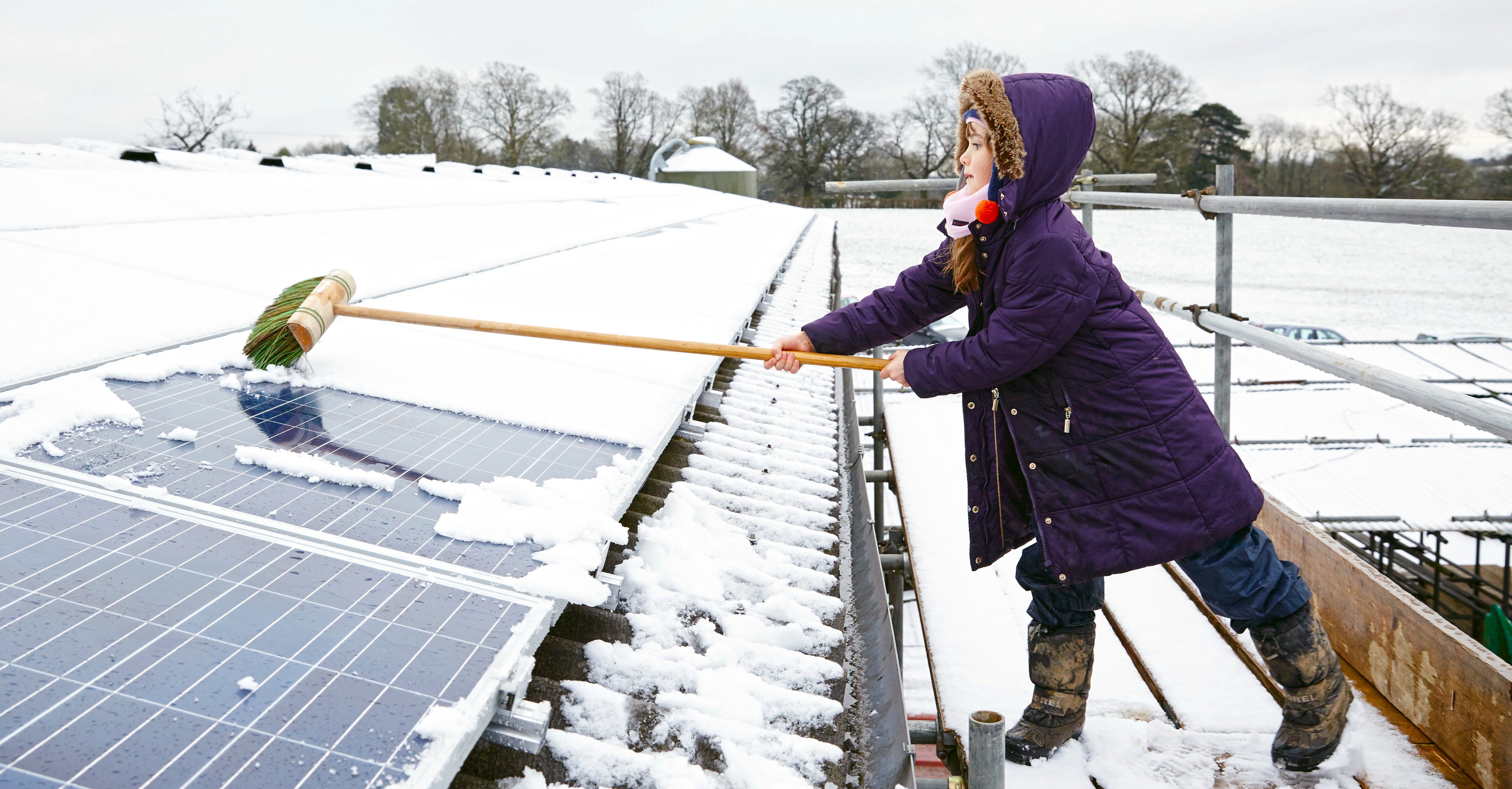
Anti-renewable advocates often claim that solar panels don’t work on cloudy days or in cloudy climates. This assertion is simply not true. There is a massive difference between the pitch-black darkness of a windowless room and the brightness of a cloudy day. That difference is entirely due to solar radiation (light) that can be captured by solar panels and converted into electricity.5
Solar panels work during the day in any climate. They simply work better in sunny places. A solar farm in California, for example, will produce about two to 2.5 times as much electricity as the same size solar farm in England.6 But that reduced output in England is still very useful, and developers can compensate for lower solar resource by building larger farms.
8. Minor Source of Energy
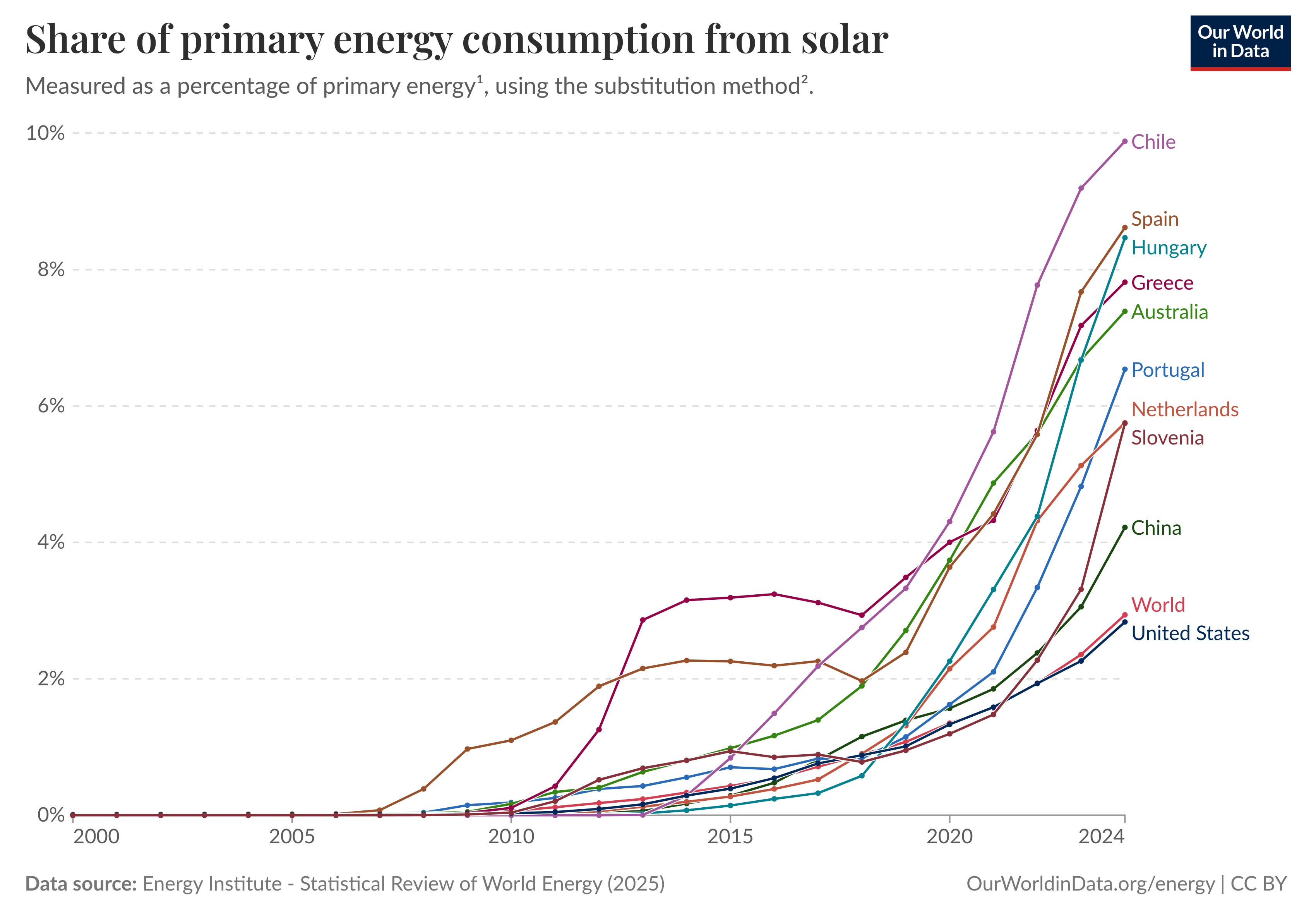
Solar energy is often derided by its critics as “too small” to make a difference in global energy consumption. They correctly point out that solar’s relatively high share of electricity production overstates its role in energy consumption as electricity only accounts for 40% of energy use. This is because many energy services - like fossil gas for home heating or gasoline in cars - do not use electricity.
However, these critics typically proceed to make a calculation mistake of their own: the notorious ‘primary energy fallacy’. Fossil fuel defenders will say things like “solar only makes up 1.35% of energy consumption” or “fossil fuels make up over 90% of energy consumption”. These figures are incorrect because they include heat losses from fossil fuel combustion that do not contribute useful work - for example when gasoline heats the hood of your car instead of propelling it forward.
When properly adjusted for heat losses, solar made up just over 3% of global primary energy consumption in 2025.7 This number is still quite low. More revealing, however, is how quickly solar’s share is growing. At 2023-2025 growth rates, solar will be 38.1% of primary energy by 2040 - hardly minor.
7. Panels Are Unrecyclable
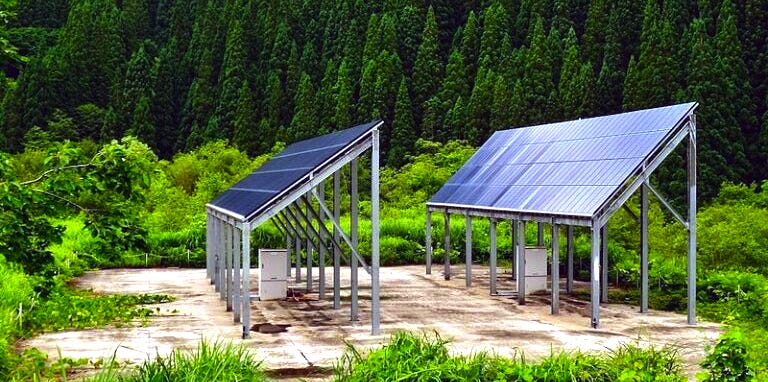
A deluge of disinformation on social media proclaims that solar panels are horrendous for the environment because they cannot be recycled and create massive amounts of “green waste”.
Both claims are untrue. Solar energy farms create roughly 2 kilograms of solid waste (mostly glass and aluminium) per MWh over their full life cycle. Coal on its own produces 300 to 800 times more solid waste (coal ash) on a per MWh basis.8 Moreover, solar panels are 85% to 95% recyclable.9 And they contain valuable metals like silver, which incentivises high recycling rates by making the process extremely profitable.
6. Panels Are Toxic
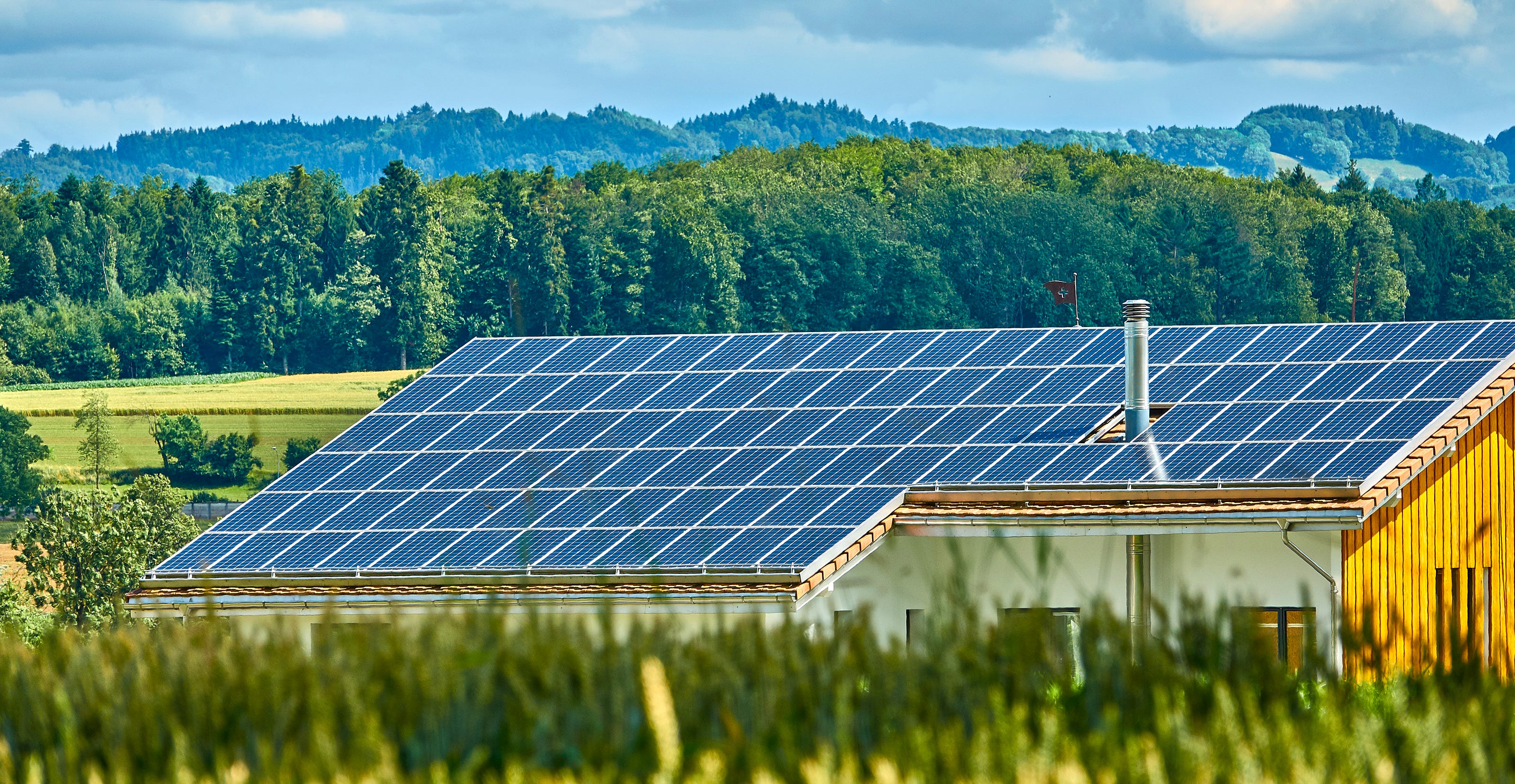
Fossil fuel propagandists often say that solar panels are toxic. For the vast majority of panels, this is untrue. 98% of the world’s solar panels are of the crystalline silicon variety. They are made predominantly from highly purified sand, and no more toxic than a day at the beach.
Conversely, around 2% of solar panels are made with cadmium telluride - which can in fact be toxic. Cadmium telluride panels are easier to manufacture and perform better in high heat conditions. They could in theory be dangerous if they are somehow shattered. But there have been no documented cases of leakage into the environment and every single cadmium telluride panel is recycled by the US-based manufacturer.10
Get Earthview in your inbox:
And consider a paid subscription to access premium content and support the work we do!
5. Panels Stop Working In 10 Years
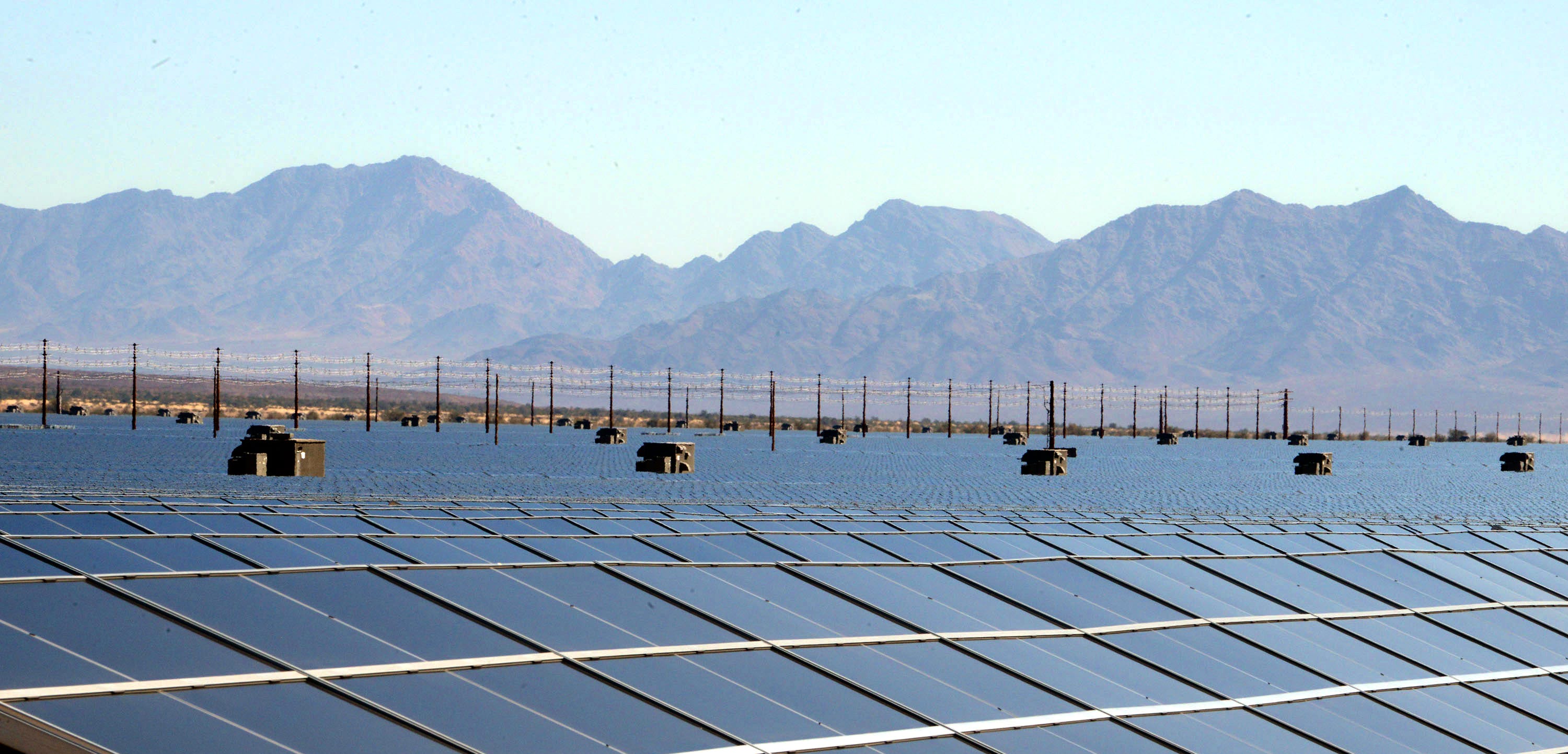
The anti-renewable lobby often claims that solar panels “stop working” after a short period of time (usually 5, 10, or 20 years) and must therefore be replaced at great expense.
Like most myths, there lies within a kernel of truth. Solar panels do in fact become less effective over time, a process known as degradation. But annual degradation rates are tiny. Solar panels retain 93% of their capacity after ten years, 87% after 20 years, 84% after 30 years, and 73% after 50 years.11
Solar panels never truly stop working, their efficiency just slowly fades. No replacement cycle is necessary; solar developers simply factor predicted degradation into their financial calculations. Modeling suggests that certain panels could still be performing at 50% of their original capacity 100 years after manufacture.
4. Destroys Prime Farmland
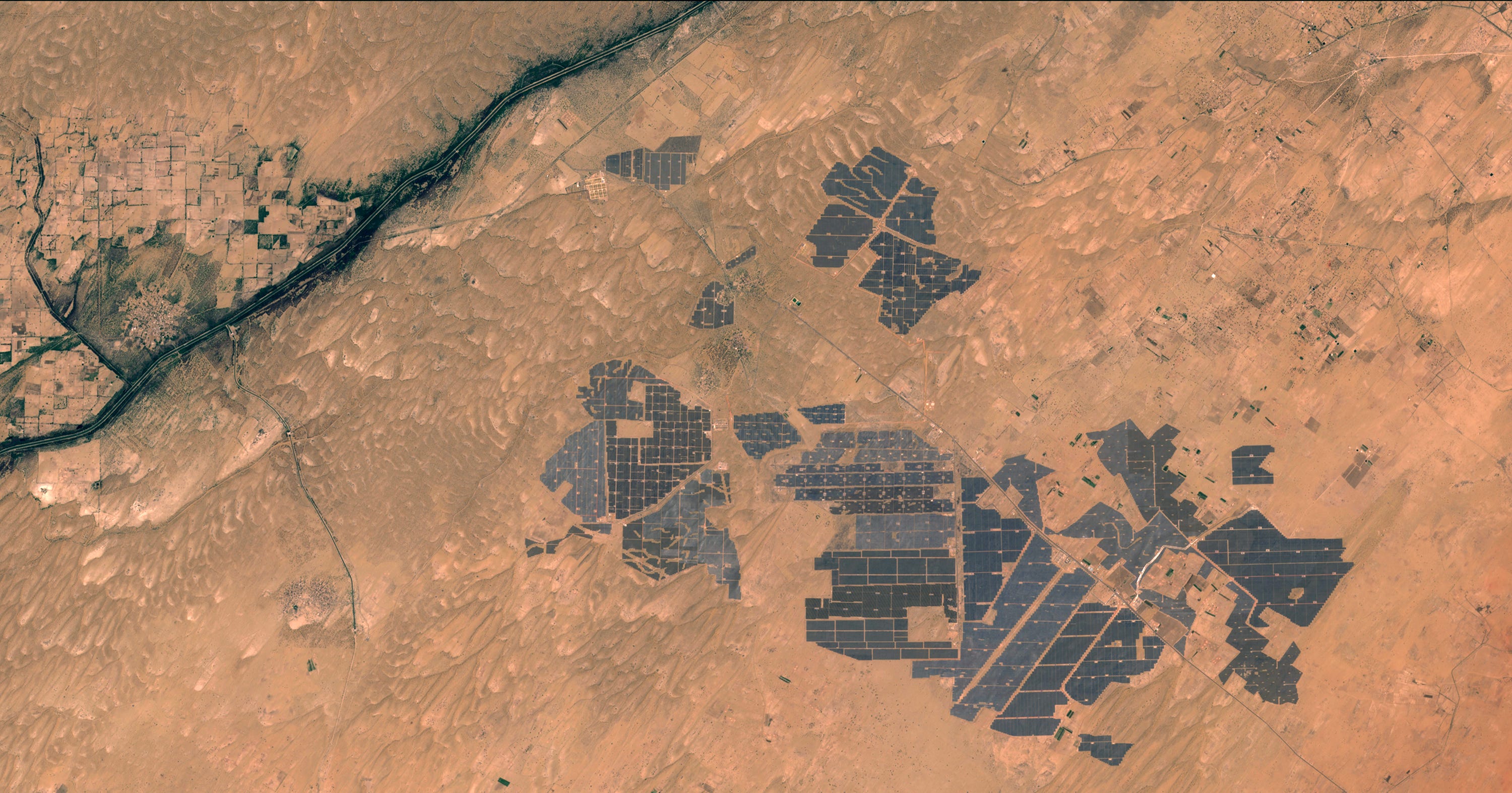
One of the more pervasive and pernicious untruths told about solar farms is that they destroy “prime farmland”. There is one energy technology - ethanol - that does in fact compete for farmland. Solar energy does not.
Solar farms tend to be located on marginal land like deserts or brownfield sites because marginal land is cheaper.12 Solar panels can also be affixed to rooftops, hung over parking lots, or even made to float in reservoirs.13 It is entirely possible to power the Earth many times over with solar alone without using any farmland at all.14
Solar can even be integrated into certain types of farming - a practice called agrivoltaics. Crops like grapes or lettuce can be grown in between rows of solar panels, producing both food and electricity. Studies have found agrivoltaics can increase farming yields.
3. Increases Electric Rates
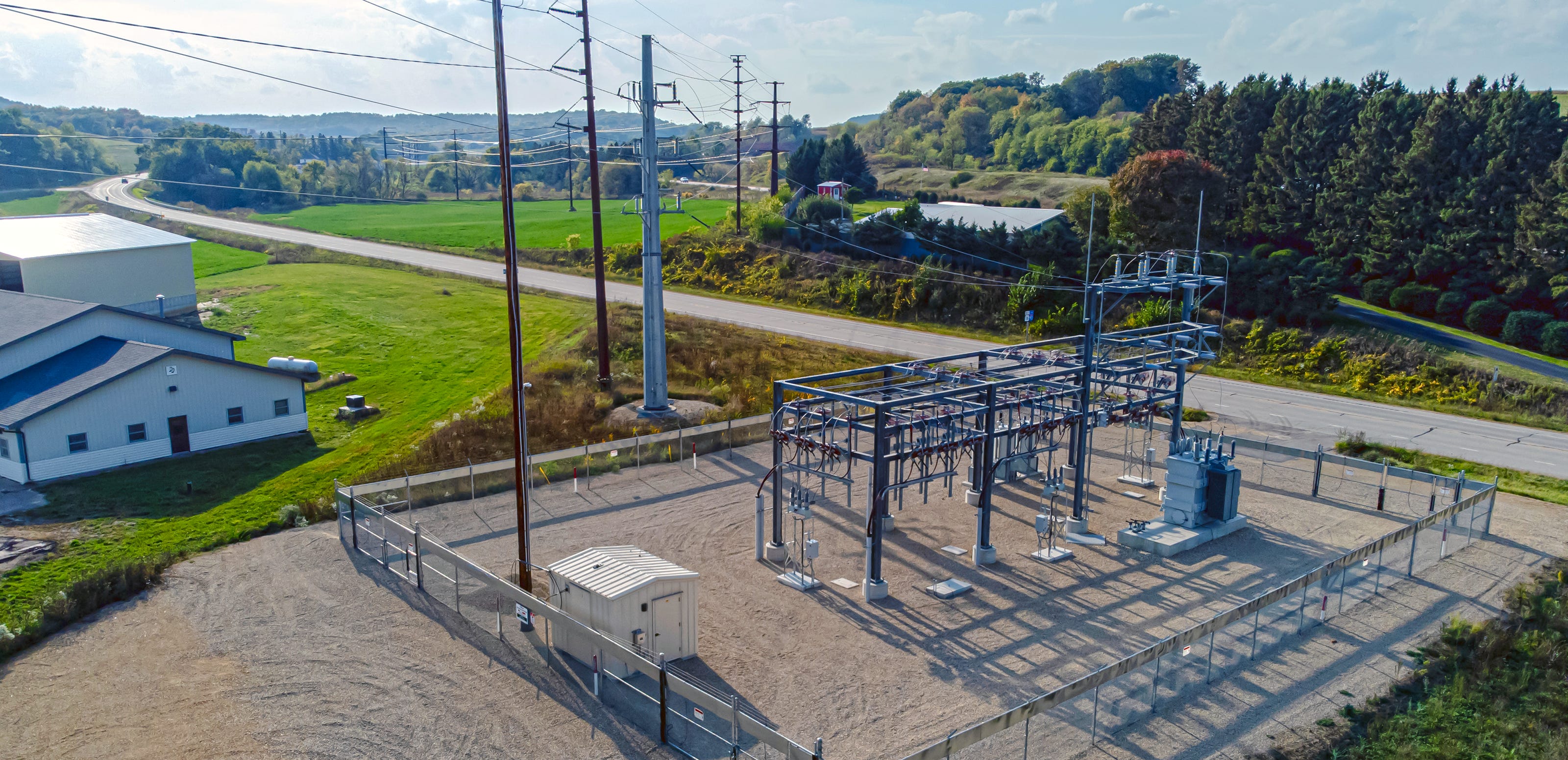
Electricity prices have been rising in some places. And almost everywhere, large amounts of solar energy are being added to the grid. It’s not completely irrational to suspect there may be a causal relationship between these two trends.
However, multiple analyses have found virtually no correlation between increasing levels of solar energy on the grid and retail electricity rates.15 16 The US states of California and Nevada, for example, both have very high amounts of solar but electricity prices in Nevada are 50% lower. High electricity prices are most often the result of other factors like poor electricity market regulation.
2. Unreliable
Fossil fuel advocates accuse solar energy of being “unreliable”. Solar panels generate electricity during the day, and do not generate electricity at night. This pattern is the very opposite of unreliable, as their production can be predicted and relied upon to a very high degree of accuracy.17
Solar energy is perfectly reliable. Yet it is intermittent, which is a problem if you’re trying to build an energy system that delivers clean, dispatchable 24/7 electricity. This problem is of course known to energy systems engineers and is very close to being solved. Cheaper batteries are making it more economical to store electricity generated by solar panels during the day for use in the evenings or at night.
1. Bad For the Environment
The largest lie told about solar energy is that it is worse for the environment than fossil fuels. The story goes like this: solar panels are made in China - which burns a lot of coal - and therefore solar farms generate more greenhouse gas emissions (GHG) than fossil fuels.
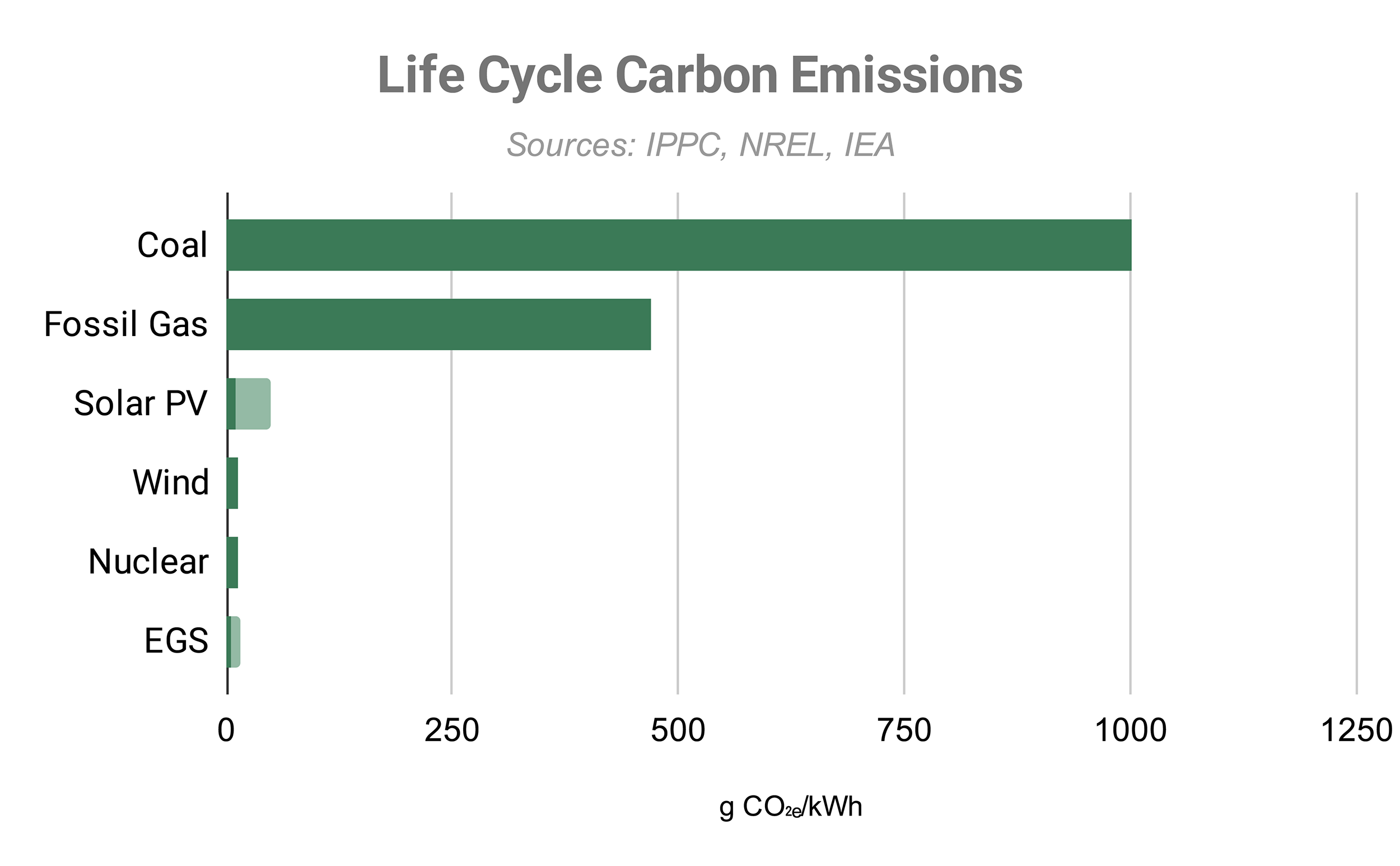
The claim is preposterous. Manufacturing solar panels does indeed create some emissions. But studies show solar panels pay off their initial “carbon debt” within six months to a few years - thereafter generating carbon-free electricity for decades. On a full life-cycle basis, electricity generated from solar photovoltaic panels creates 10 times fewer GHG emissions than fossil gas and 20 times fewer than coal.18
Additionally, solar energy also generates no particulate, ozone, or nitrate air pollution in the generation phase. And the carbon footprint of solar is expected to decline over time as the solar supply chain itself is increasingly powered by low-carbon, renewable sources.
Get Earthview in your inbox:
And consider a paid subscription to access premium content and support the work we do!
