


Humans produce 500 million tons of plastics every year, a substantial portion of which is disposed of improperly and ends up in the environment.
Plastics do not biodegrade like natural materials. Rather, they break into ever smaller pieces known as microplastics. Microplastic pollution is pervasive across our planet, reaching even the remotest locales. The full scale of its effects on living organisms and ecosystems is unknown.
Here are eleven places scientists have found microplastics:
11. Antarctic Penguins

A 2019 study in Nature found that 20% of Gentoo Penguins (Pygoscelis papua) had been contaminated by microplastics. Gentoos live in the Antarctic region - thousands of miles from civilization.
10. Fresh Fruits and Vegetables

A 2020 study in Environmental Research discovered microplastics in fruits and vegetables purchased from a local grocery store in Italy. Apples had the highest levels, and lettuce had the lowest.
9. Deep-Sea Hydrothermal Vents
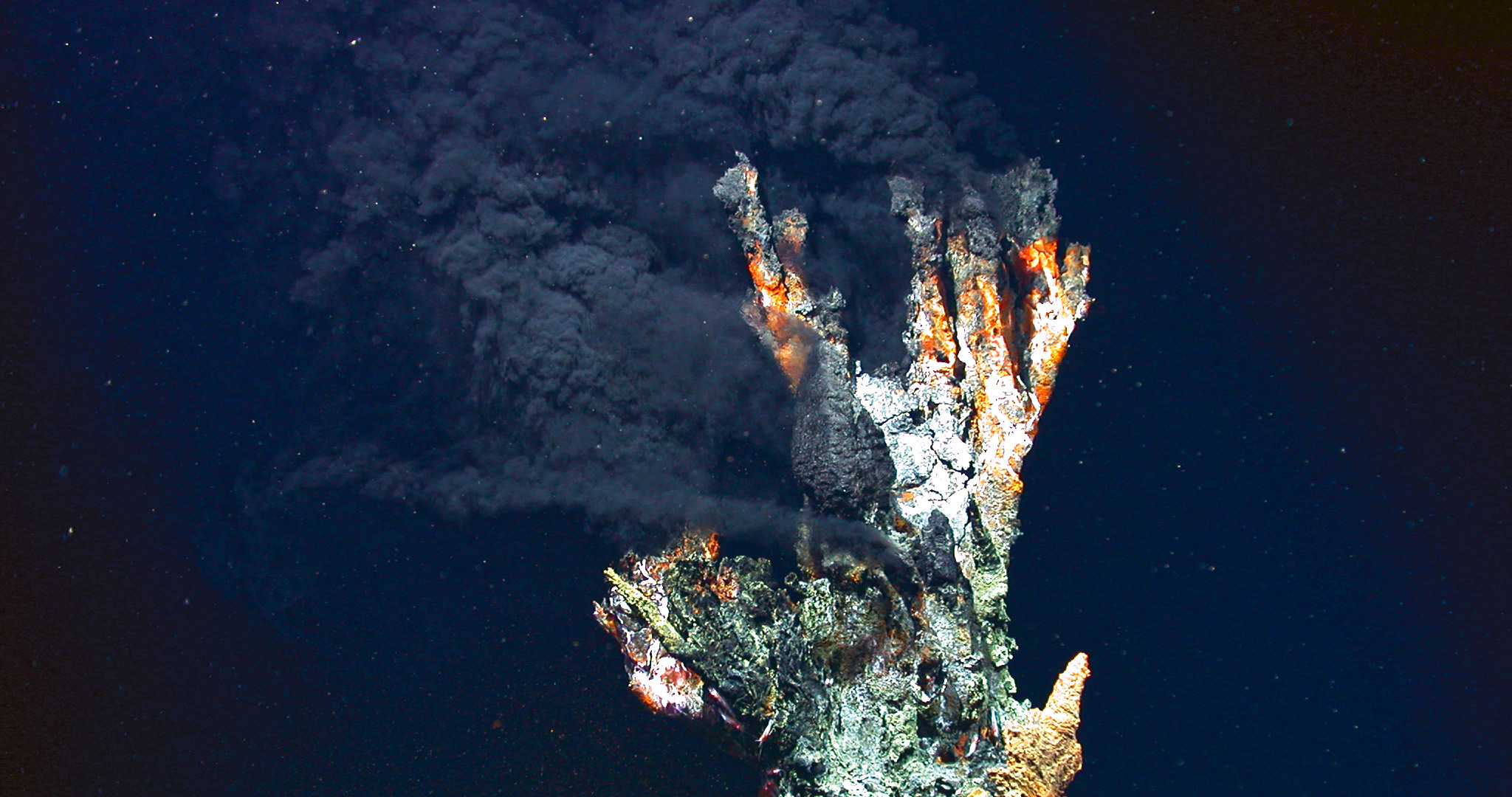
In 2024, researchers found microplastics near a hydrothermal vent at the bottom of the Indian Ocean. According to the study in Environmental Science & Technology, microplastic pollution has permeated ecosystems down to depths of 2,500 m (8202 ft).
8. Human Breast Milk

Microplastics were detected in human breast milk for the first time in 2022. The study, published in the journal Polymers, found polyethylene, PVC and polypropylene - all used in packaging.
7. Blue Whales
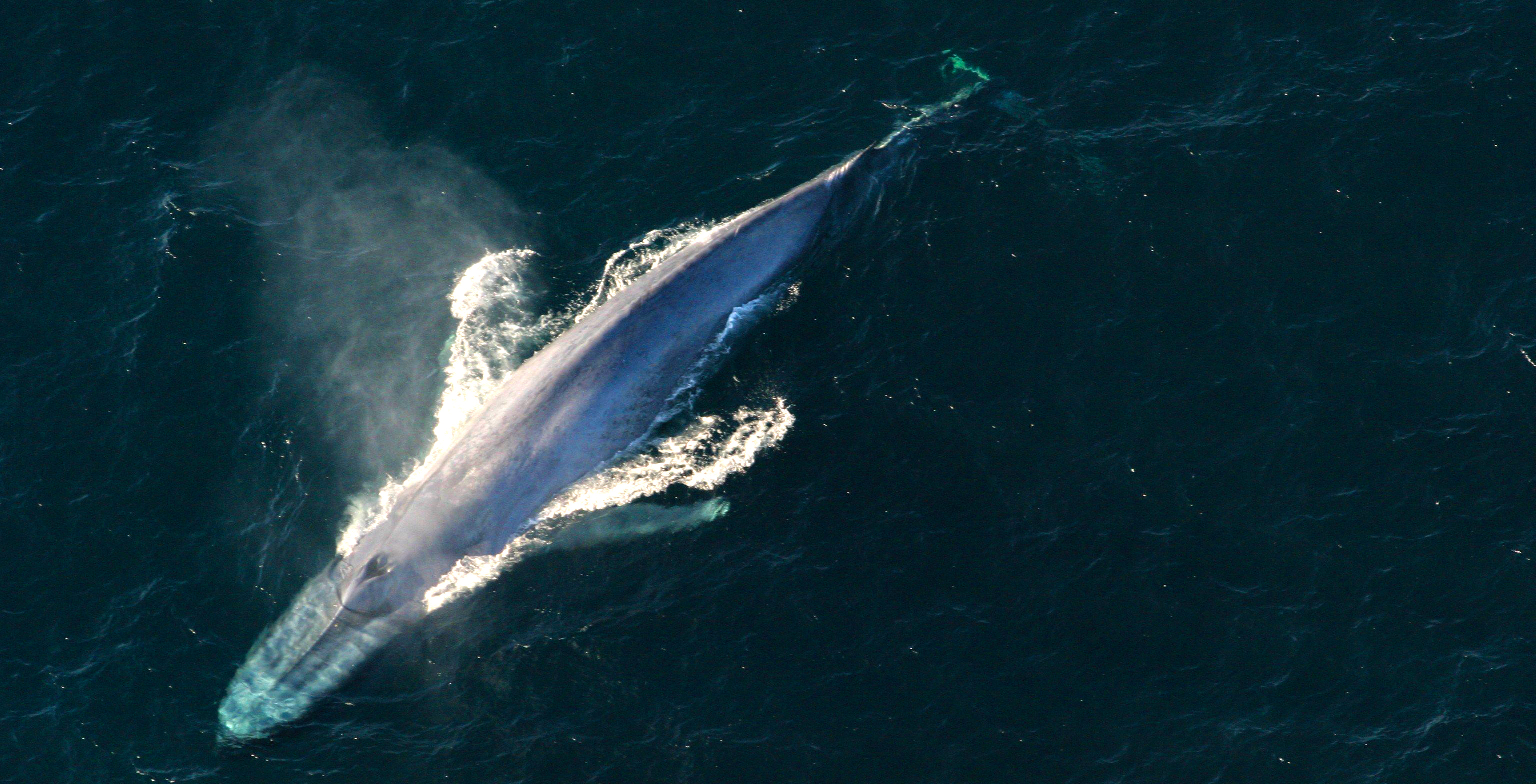
A 2022 study in Nature Communications found that Blue Whales (Balaenoptera musculus) ingest 10 million pieces of microplastics per day.
Get Earthview in your inbox:
And consider a paid subscription to access premium content and support the work we do!
6. Bottled Water
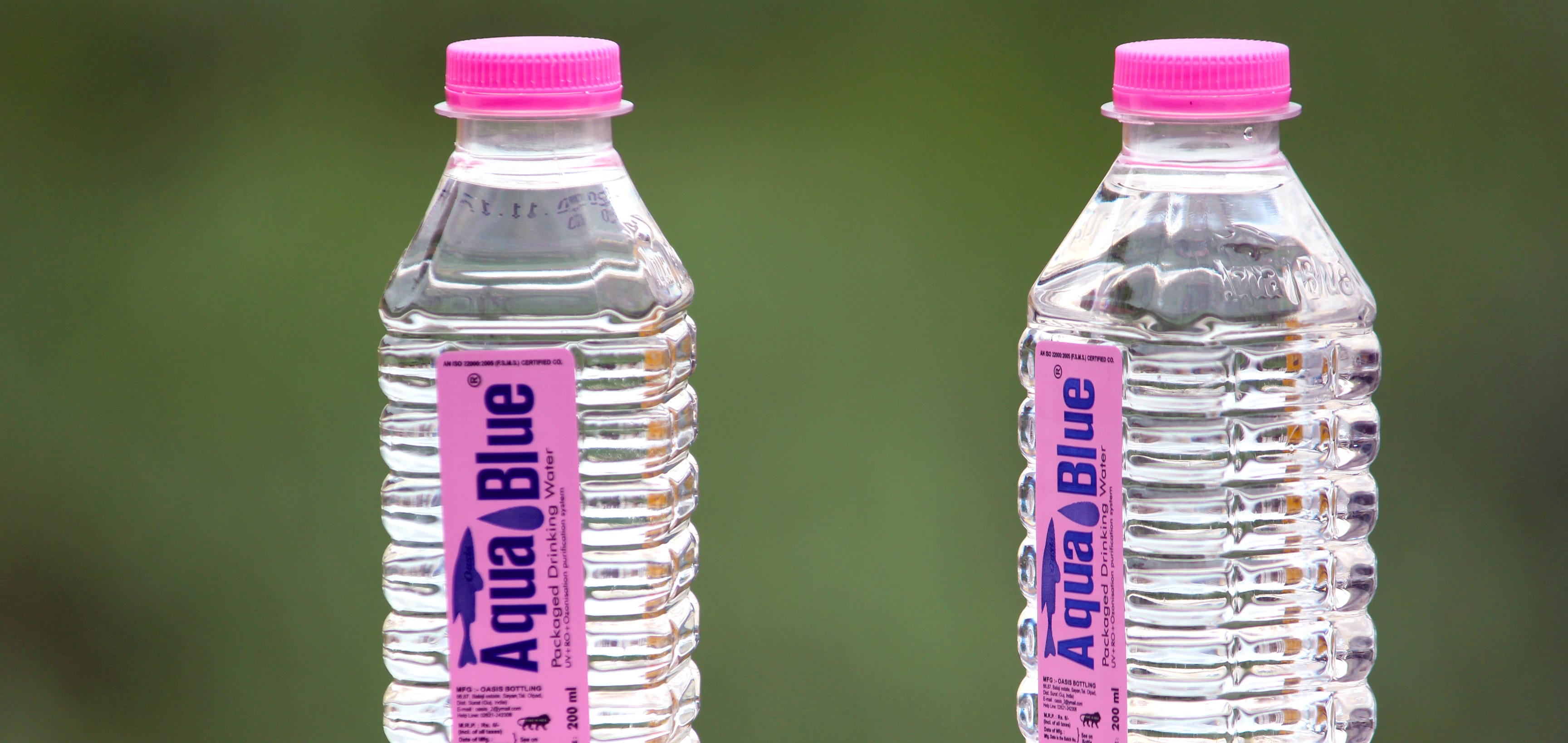
A 2025 paper in the Journal of Hazardous Materials found that bottled water drinkers ingest up to 90,000 more microplastic particles a year than tap water drinkers.
5. The Mariana Trench
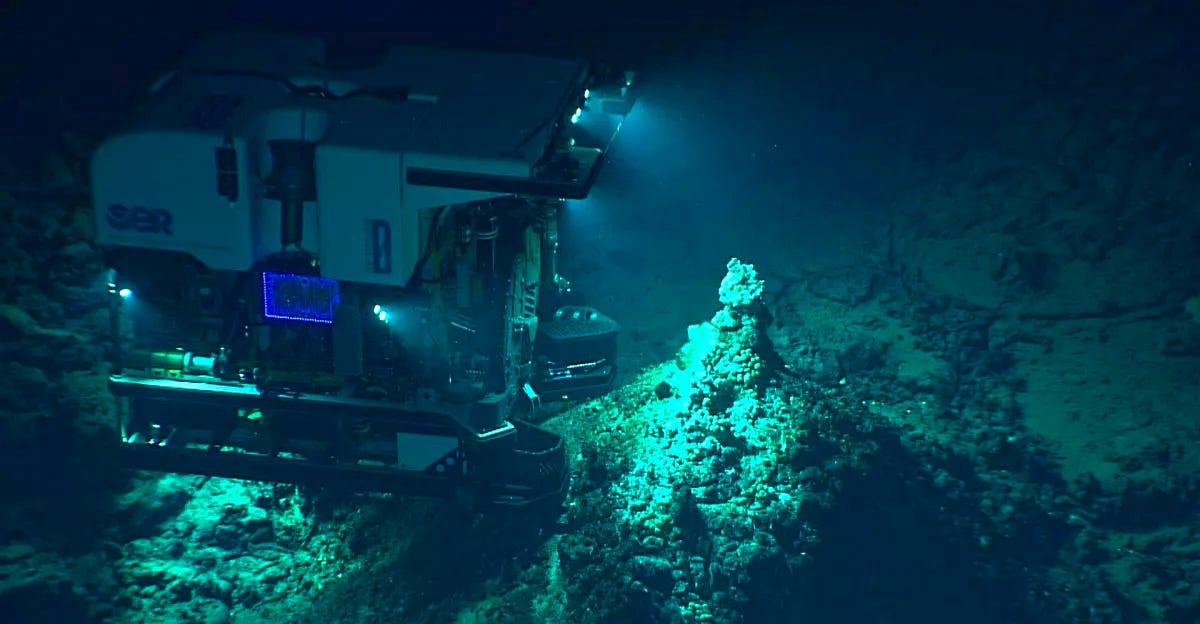
A study in 2019 found microplastic pollution in amphipods at the bottom of the Mariana Trench, the deepest point on Earth.
4. Human Semen

In a seminal 2024 study, researchers in China discovered microplastics in the semen of every human male tested. Similar results have been found elsewhere.
3. Roman Ruins

Microplastics are contaminating several Roman archaeological sites in Britain, according to a 2024 study in Science of the Total Environment. The contamination changes the chemistry of the soil, possibly harming preservation.
2. Mount Everest

A 2025 study in Cell Reports Sustainability detected microplastics at the summit of Mount Everest. Climbing gear, vehicles, and long-range atmospheric transport are the likely sources.
1. The Human Brain
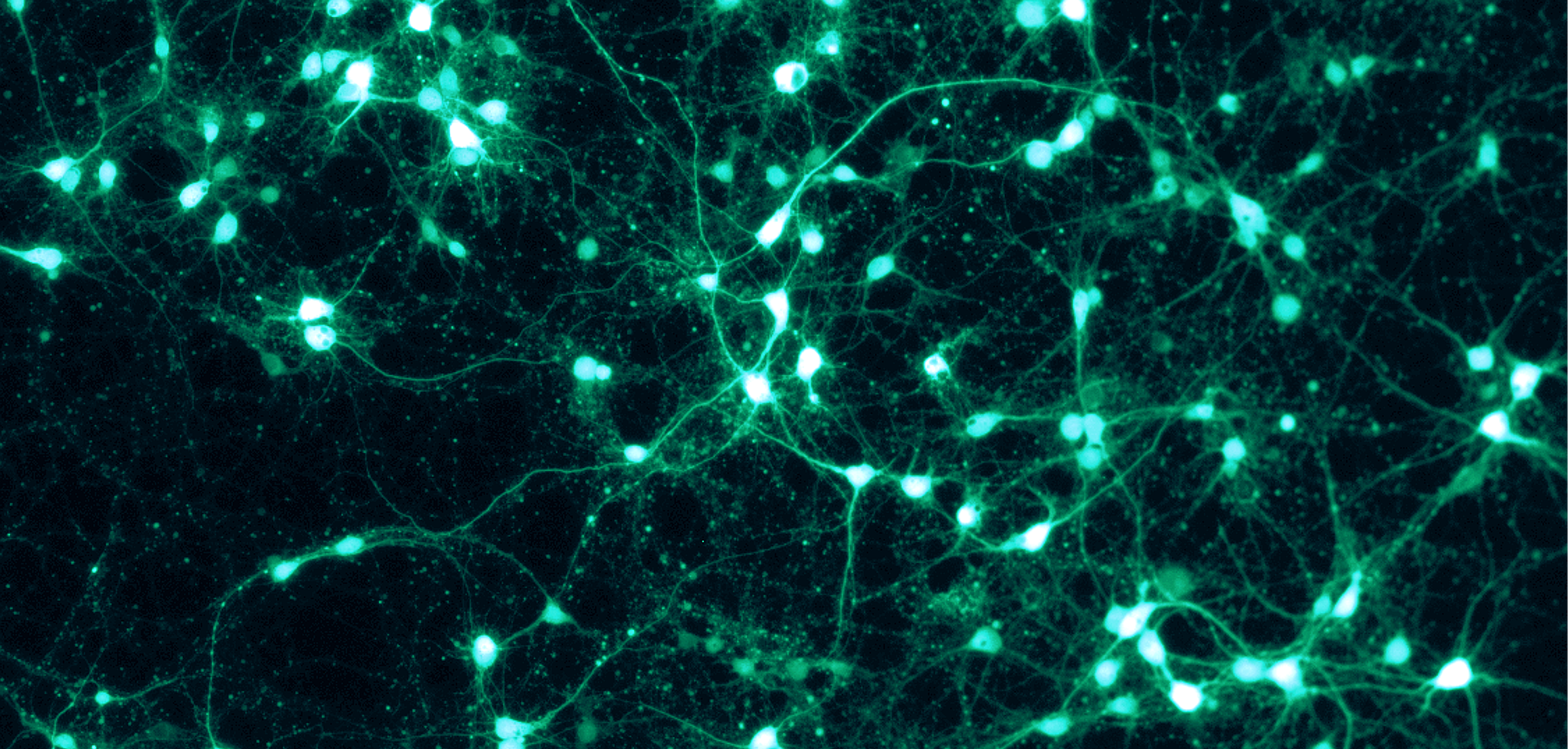
A landmark Nature study in 2025 confirmed for the first time the accumulation of microplastics in the human brain. A greater accumulation was observed in people with dementia.
Get Earthview in your inbox:
And consider a paid subscription to access premium content and support the work we do!